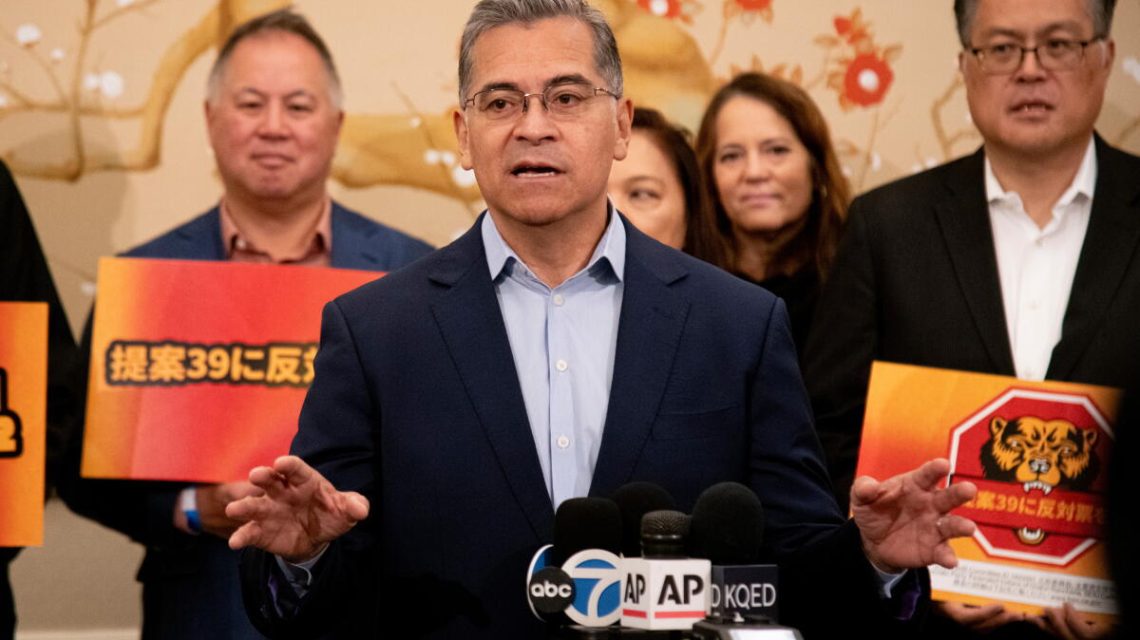
Following a demanding hike ahead of the 2024 election, I shared a beer with experienced journalist Jim Rainey, who was covering the competition between Kamala Harris and Donald Trump. Polls indicated a tight race, which was concerning for Harris. In 2016, polls had shown Hillary Clinton with a lead, but the outcome was different.
At Mt. Baldy Lodge, Jim mentioned conversations with pollsters about the 2016 results. They claimed to have developed models to include underrepresented conservatives, voters disillusioned with traditional surveys. They assured Jim this would change the outcome. That sentiment lingered as we drank.
Nevertheless, Harris faced a significant defeat. She lost by millions in the popular vote and in all battleground states.
Polls Decline, Betting Platforms Rise
Heading into the midterms, it’s unsurprising that many are ignoring traditional polls and turning to gambling odds. The growth of online betting platforms like Kalshi and Polymarket has changed how Americans track elections. These sites, initially focused on sports and cryptocurrencies, now draw large audiences eager to gamble on political futures.
I’ll pause here to let that sink in, maybe grab another beer.
Recently, $1.4 billion was wagered on midterms in “prediction markets,” as reported by CNN. Bets cover outcomes, turnout, and even candidate statements.
Current Betting Trends
On a Thursday morning check, Kalshi had over $65 million on the balance of Congress power, with a 66% chance favoring a Democratic sweep. Similarly, $107 million was bet on the Los Angeles mayoral race, favoring Karen Bass with a 57% chance over Nithya Raman.
Bets extend beyond elections. Nearly $250 million has circulated on who will be the Democratic presidential nominee in 2028. Gavin Newsom currently leads with a 17% chance, barely ahead of Jon Ossoff and Alexandria Ocasio-Cortez.
Studies on betting versus polling accuracy are inconclusive, but betting markets have clear benefits. They quickly adjust to polling data, news, and social media trends. Markets involve people with financial stakes, motivated to choose likely winners rather than just sharing hopes with pollsters.
Risks of Prediction Markets
Prediction markets pose risks. Young, tech-savvy men dominate them, making them unrepresentative. Integrity concerns arise, as these are virtual casinos. In smaller races, large bets can distort odds. Kalshi has suspended candidates who bet on their own races. Preventing similar actions on a larger scale remains a challenge.
This raises a critical question: Is gambling on democracy’s future wise? Wondering if Jim is free for another chat, I’ll leave that question open for reflection.
 Public Transit Tips and Political Update
 The Fading Illusions of Campaign Season
 Gov. Hochul Plans to Address Wage Freeze Amid Job Losses in New York
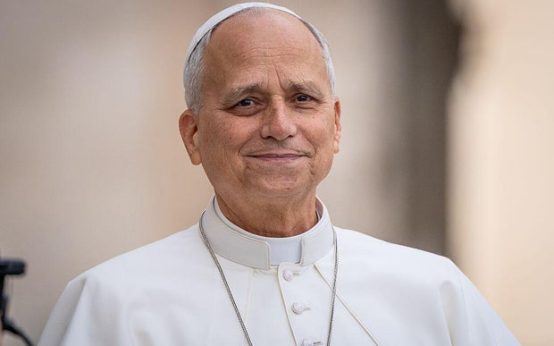 Pope Leo XIV Votes in U.S. Midterm Election
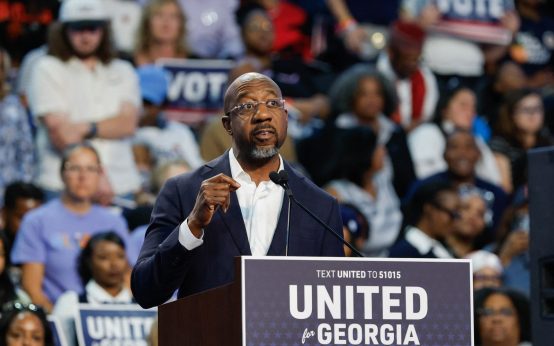 Ossoff and Warnock: The Future of Democratic Politics
 Analysis of DHS Worker Data Hack Spurs Violent Rhetoric Against Immigration Officers