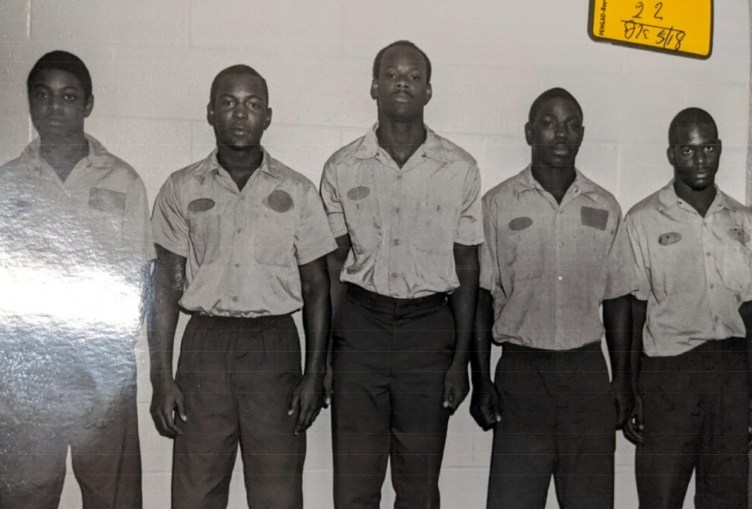
On May 8, 1981, Alice Sebold, having just finished her freshman year at Syracuse University, was sexually assaulted in a park. Anthony Broadwater was arrested months later and wrongfully convicted of the crime. He spent 16 years in prison and was required to register as a sex offender upon his release. Decades later, in 2021, a court vacated his conviction, stating he should never have been prosecuted.
Investigation Reveals Systemic Failures
A review of the criminal justice system in Syracuse at the time revealed numerous failures. Police often ignored rape cases, prosecutors mishandled confessions, and judges overlooked irregularities. Syracuse University appeared more intent on suppressing news of rapes than addressing them. Reporter Joaquin Sapien’s investigation shed light on these issues.
Widespread Assaults in Syracuse
During the spring of 1981, Sebold’s attack was one of multiple assaults in Syracuse, including in the city’s Thornden Park, where there were several incidents within a short timeframe. Descriptions of the attackers were often similar. Despite this pattern, law enforcement did not act swiftly.
University’s Attempts to Suppress Coverage
Documents and testimony revealed that Syracuse University actively suppressed media coverage of assaults. Reports labeled “NO PRESS” indicated the university’s attempts to avoid attention on crimes near the campus. The university now claims to have policies to support survivors.
Mishandling of Broadwater’s Arrest
Broadwater was arrested only after Sebold identified him on the street months later. In a lineup, however, she did not recognize him as her attacker. A pubic hair sample was the only evidence against him, which lacked the specificity of modern DNA testing. Assistant DA Gail Uebelhoer proceeded with the case despite its weaknesses, leading to his wrongful conviction.
Judicial Shortcomings in Trial
Broadwater opted for a bench trial, hoping for fairness from the judge. Instead, the judge expressed sympathy toward Sebold, raising concerns about bias. Immediately after arguments, the judge found Broadwater guilty without deliberation. This further contributed to the miscarriage of justice.
Continued Assaults and a Possible Suspect
Despite Broadwater’s conviction, assaults in Syracuse didn’t stop. Months after his trial, Thomas Weakfall confessed to several assaults in the area. Though details matched Sebold’s description, procedural errors meant Weakfall’s confession was inadmissible, and he was not prosecuted for the rapes.
Producers and Private Investigators Discover Injustice
A 2013 effort to produce a film about Sebold’s memoir “Lucky” raised doubts about Broadwater’s guilt. A private investigator uncovered discrepancies, leading to a motion to vacate Broadwater’s conviction in 2021. The work of film producers and investigators ultimately led to his exoneration.
Life After Exoneration
Even after exoneration, Broadwater carries the stigma of a wrongful conviction. Although he received a settlement from New York state, he expresses ongoing distress. Sebold has acknowledged her role in the wrongful conviction and expressed her deep sorrow in a letter to Broadwater, though she feels it won’t fully convey her regret.
 Celebrating Day of the Dead: Students Craft Calaveras in Pilsen
  Family Conflict over Sentimental Necklace
  Cindy Crawford’s Son Presley Gerber Dies at 27
  Navy Veteran Generald Wilson Reflects on Emotional National Anthem Performance
  Fat Bear Week: A Unique Annual Tradition at Katmai National Park
  Monday Screencaps: Musings and Sports Insights