
President Lyndon B. Johnson addressed the nation with a significant announcement: “My fellow Americans, I am about to sign into law the Civil Rights Act of 1964.” This moment marked a pivotal turning point in American history, promising to effect substantial change in the landscape of civil rights.
The Civil Rights Act of 1964 represented a monumental step forward in the fight for equality. This legislation aimed to eliminate discrimination based on race, color, religion, sex, or national origin. It not only aimed to dismantle existing segregation but also sought to provide equal opportunities in employment and education.
LBJ’s decision to sign this landmark act followed a long history of civil rights activism and struggle. Many activists had worked tirelessly for years, facing immense obstacles and enduring significant hardships. Their perseverance laid the foundation for this legislation.
The signing ceremony was a moment of celebration and reflection. It highlighted both the progress made and the challenges that remained. The Civil Rights Act of 1964 set a precedent, encouraging further advancements in civil rights across the United States.
“I am about to sign into law the Civil Rights Act of 1964.” — Lyndon B. Johnson
The impact of this act extended beyond its immediate effects. It inspired future generations to continue advocating for equality and justice. The legislation demonstrated the government’s commitment to addressing systemic discrimination and promoting equal rights for all citizens.
As we reflect on this historical moment, it is vital to recognize the ongoing importance of civil rights advocacy. While the Civil Rights Act of 1964 was a significant step forward, the journey toward complete equality is ongoing. This historical moment serves as a reminder of the enduring struggle for civil rights and the power of legislative action in driving social change.
 Writers Examine Key Issues Facing Congress and the Nation
 City Council’s Rejection Marks a Setback in Minneapolis Public Safety Leadership
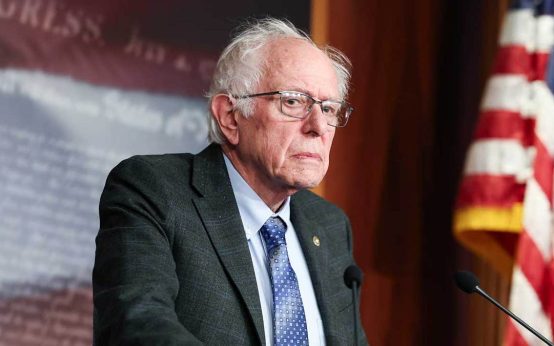
 Defense Secretary Hegseth Faces Controversy Amid Political Challenges
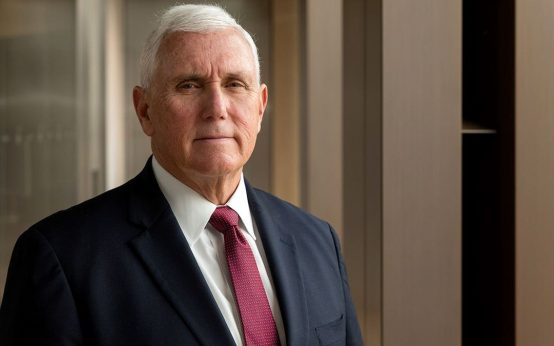 Pence Contemplates 2028 White House Run, Calls for Conservative Principles
 Gavin Newsom to Decide on 2028 Presidential Bid by January