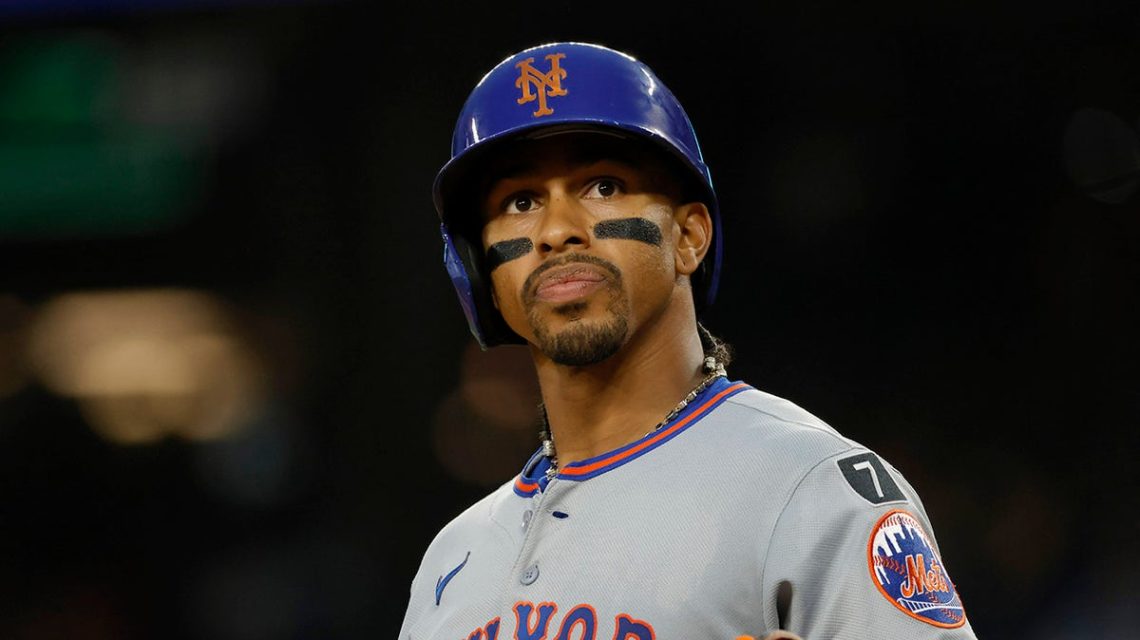
The 2026 Major League Baseball season is beyond its midpoint, reflecting the unpredictable nature of the sport. One prominent example is the New York Mets.
The Mets, among the wealthiest teams, have faced challenges despite substantial investments. With billionaire Steve Cohen’s acquisition in 2020, the Mets aimed to blend financial might with front office expertise. They have spent $1.671 billion on player payroll since 2022, surpassing even the Los Angeles Dodgers.
METS OWNER STEVE COHEN BACKS TEAM’S ARCHITECT OF BRUTAL SEASON, SAYS TEAM WILL ‘LIVE THAT CONTRACT OUT’
Key signings included star player Francisco Lindor’s 10-year, $341 million contract in 2022. Additionally, Max Scherzer received one of baseball’s top average annual value contracts. In 2023, Cohen enlisted Dave Stearns, known for turning the Milwaukee Brewers into consistent contenders despite budget constraints.
Despite leading in spending over five years, the Mets have made the postseason twice. Losses came against the Padres in the 2022 wild card series and the Dodgers in the 2024 NLCS. Despite financial resources, they ended the 2023 season with a disappointing 75-87 record, trailing by 29 games. Post-2024, Stearns and Cohen added Juan Soto with a 15-year, $765 million contract, the priciest in sports, with potential extensions exceeding $800 million.
METS BRUTAL SEASON COMES TO HEAD WITH 6-ERROR GAME IN DOUBLEHEADER SWEEP, CHANTS FOR FORMER STAR OUT OF ANGER
Their efforts ended in another playoff miss in 2025, following an 83-79 season record. In 2026, a roster overhaul occurred. Pete Alonso signed with the Orioles, Brandon Nimmo was traded to Texas for Marcus Semien. The Mets traded prospects for Freddy Peralta, signed closer Devin Williams, and added Bo Bichette and Jorge Polanco, along with trades for Luis Robert Jr.
The result? By Tuesday, the Mets held the worst record in the National League alongside the Rockies, being outscored by 60 runs. They are last in the National League East, 15 games behind the Braves, with postseason odds at a mere 2%, as per FanGraphs.
Jon Heyman reported a potential ‘deadline sale,’ excluding players like Ewing, Benge, McLean, Scott, and Soto but missing big names like Bichette, Robert Jr., Peralta, Williams, and Lindor. Dealing these players would admit a failed strategy. Moreover, player value considerations arise, as Bichette underperformed, Lindor faced injuries, and Robert Jr.’s performance was unimpressive.
Given limited sellers, teams might consider these stars, hoping salaries might provide competitive edge. Despite Cohen’s preference for Lindor to stay, circumstances suggest a teardown as a viable path after costly endeavors yielded few rewards.
Lindor’s potential trade return at age 32 might fall short given his contract. Bichette faces similar limitations with hefty salary and player options. Still, optimism surrounds recovering form for impactful playoff pursuits. Semien’s predicament illustrates the broader struggles.
The Mets intended to emulate the Dodgers on the East Coast, merging salaries with competence. Yet, they face another home-based October, pursuing a first division title since 2015.
The 2026 Mets showcase that financial resources, while extensive, don’t ensure success.
 LIV Golf Secures New Investor After Losing Saudi Funding
 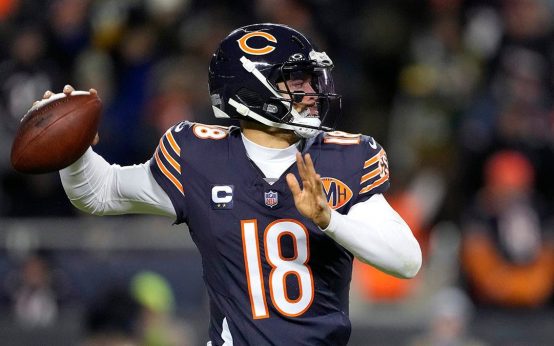 Chicago Bears: A Season of Challenges and Changes
 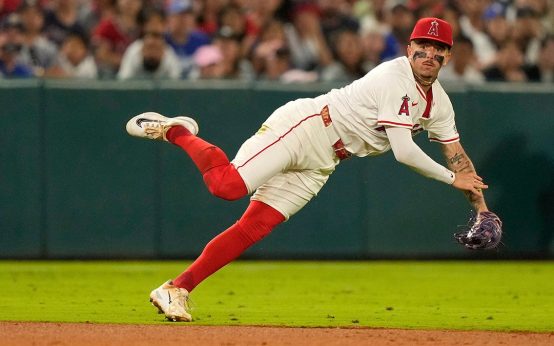 Angels and Orioles Square Off Amid Trade Deadline Moves
 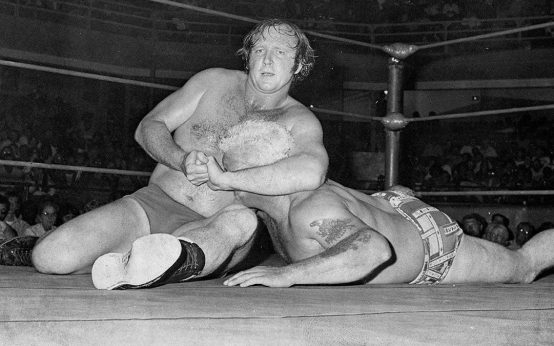 Pro Wrestling Icon Dory Funk Jr. Passes Away at 85
  Wednesday Screencaps and Recent Headlines
  Controversy Surrounds WNBA Star Sophie Cunningham’s Comments