
As part of this series, Newsweek explores the path leading to the tragic events of September 11, 2001. On August 20, 2001, a significant development occurred when German national Said Bahaji purchased an airline ticket to leave Hamburg for Karachi, Pakistan, via Istanbul. His departure was slated for September 3.
Bahaji, a former roommate of Mohammed Atta in Hamburg, played a supportive role for the hijackers while in the United States. He left Germany mere days before the 9/11 attacks and remained a hunted man until his death was reported in 2013 near the Afghanistan-Pakistan border.
Within the Hamburg group, Bahaji stood out as the only German citizen. Initially educated in Morocco, he moved to Germany for university studies at the Technical University of Hamburg-Harburg. His brief stint of five months in the German Army ended with a medical discharge. During his university years, he formed a connection with Atta, and the pair lobbied for a Muslim prayer room in 1999. He frequently visited the al-Quds mosque in Hamburg, where 9/11 hijackers assembled.
In a crucial piece of evidence, a video from Bahaji’s marriage on October 9, 1999, was found post-9/11. It showcased Atta, Marwan al-Shehhi, and bin al-Shibh in attendance. The FBI analyzed the footage and noted key moments involving speeches and songs with themes of war and jihad.
During the summer of 2001, Bahaji resolved to journey to Afghanistan and join al-Qaeda. The 9/11 Commission described him as “insecure” with “no personality and limited knowledge of Islam.” He maintained contact with Khalid Sheikh Mohammed, who advised him to expedite his travel due to potential future travel constraints.
Following the attacks, German authorities issued arrest warrants for Bahaji, Ramzi bin al-Shibh, and Zakariya Essabar for their alleged roles in a terrorist organization, murder, and aircraft piracy. Investigations revealed Atta and bin al-Shibh used Bahaji’s computer for online research, marking his primary involvement. However, by securing his ticket to depart Germany, he was first among several operatives to journey to Pakistan, and eventually Afghanistan, ahead of the attacks.
Tomorrow’s focus will be on a critical error made by the FBI and CIA regarding the identities of Khalid al-Mihdhar and others, allowing 9/11 architect Khalid Sheikh Mohammed to go unnoticed.
 U.S. Air Force Withdraws Bomber Aircraft from UK Base
  Former U.S. Ambassador to Greece Faces Ethical Violation Allegations
  Woman Rescued After 20 Hours at Sea from Royal Caribbean Cruise
  Increasing Tensions Over Tourism and Housing in Spanish Cities
 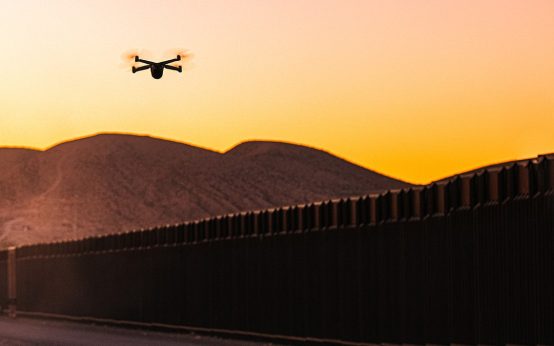 Mexican Cartels Use Drones to Challenge U.S. Border Security
  Climate Change Impacts on Child Marriages