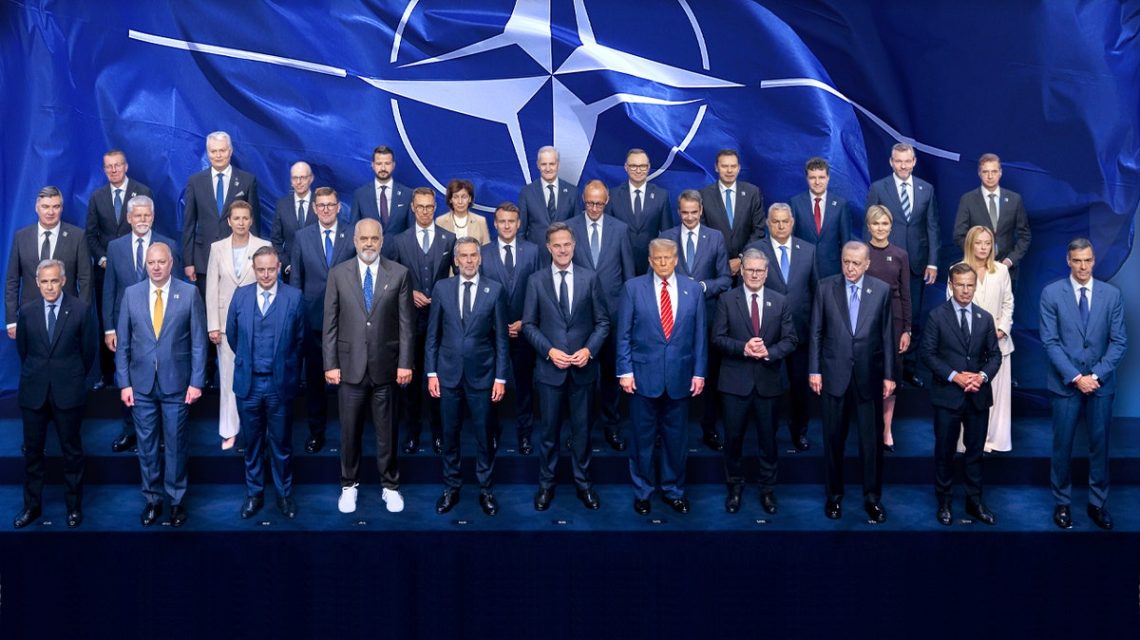
NATO has experienced significant change in recent years, characterized by increased defense spending triggered by pressure from former U.S. President Donald Trump and heightened concerns over Russia’s military actions in Ukraine. NATO members are working towards a defense expenditure target of approximately 5% of GDP by 2035. Trump’s demands for greater self-reliance within the alliance and his readiness to reconsider U.S. commitments catalyzed these changes, marking a shift towards prioritizing defense spending as a critical political metric within NATO.
Jim Townsend, a former deputy assistant secretary of defense for Europe and NATO policy, highlighted two pivotal factors: Russia’s 2022 invasion and Trump’s influence. According to Townsend, Trump’s actions, whether instilling fear or exerting pressure, intensified the need for increased defense spending.
What really woke everyone up were two things. One was the 2022 invasion by Putin, and the second was Trump, who came in and whether he scared them or he shamed them or whatever he did, that certainly added fuel to the fire as well.
Countries geographically closest to Russia, such as Poland, Estonia, Latvia, and Lithuania, have responded rapidly by increasing their defense budgets. Poland, in particular, now allocates a larger portion of its economy to defense than any other NATO member.
Germany has initiated a major rearmament effort, establishing a 100 billion euro special fund to revamp the Bundeswehr. Overall, European allies and Canada boosted defense spending by 20% compared to the previous year, as stated in NATO’s latest annual report.
Despite these allocations, the spending surge has revealed systemic limitations. Townsend noted that increased spending does not immediately translate into heightened military capability, particularly in terms of deployable forces, ammunition reserves, and weapon production efficiency.
Ukraine highlighted the strain imposed on ammunition stockpiles, production lines, and defense industries during major conflicts. As Townsend explained, the commitment to increased defense budgets does not automatically guarantee sufficient military readiness or sustained combat capability.
Historically, NATO measured burden-sharing through a 2% GDP benchmark, which was straightforward for public comparison. Countries meeting the benchmark claimed they fulfilled their defense obligations, while those missing it faced criticism. However, the situation in Ukraine demonstrated that merely meeting budgetary benchmarks is inadequate.
Even NATO leaders, including Secretary-General Mark Rutte, recognize the necessity of smarter investments in key capabilities to match rising defense budgets. Rutte stresses the importance of expanding production capacity to address the alliance’s need to replenish stockpiles and prepare for long-term competition with Russia.
The report emphasizes that both Europe and America’s defense industries have experienced reduced production capabilities over decades of lower military spending post-Cold War. Townsend points out that this limited industrial scale hinders the swift surge in production required by NATO.
The alliance is grappling with the reality that factories cannot immediately deliver the weapons demanded, despite increased orders. European nations, after announcing major procurement plans post-2022, face extended delivery timelines, stretched supply chains, and critical shortages ranging from artillery ammunition to air defense systems.
McKinsey’s analysis warns about structural constraints that impede the transformation of defense spending into military capabilities. These include fragmented procurement systems, industrial bottlenecks, and prolonged production timelines within Europe’s defense sector.
Europe continues to heavily rely on U.S. military technology and production amidst these challenges. Townsend acknowledges Europe’s dependence on U.S. industry for crucial capabilities like air defense systems, strike weapons, logistics networks, intelligence capabilities, and ammunition reserves.
The demand for air defense systems, among others, intensified post-Russia’s invasion, extending production timelines. Poland has sought quicker solutions by procuring major weapons from South Korea.
European governments are striving to expand domestic production capacity to lessen reliance on U.S. suppliers. Germany has increased ammunition production, while some civilian industrial firms are redirecting operations towards defense manufacturing.
Rebuilding Europe’s military capacity will require years, Townsend says. He raises the strategic concern of whether NATO can bridge this capability gap promptly enough to counter Russian advancement.
Will the Russians take advantage of this gap?
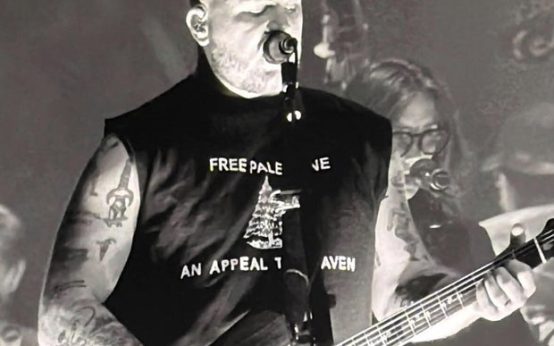 Musician Zach Bryan Wears ‘Free Palestine’ Shirt at Gillette Stadium Concert
 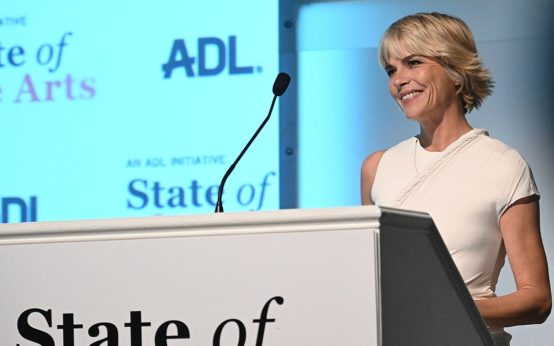 Celebrity Comments Spark Controversy and Career Consequences
  Suspected Plague Outbreak in Siberia: A Detailed Report
 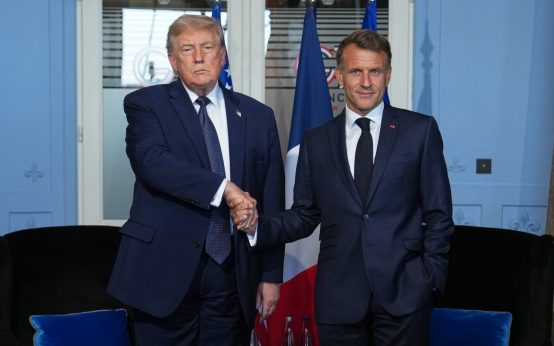 G7 Nations Agree to Release 100 Million Barrels of Oil Amid Rising Fuel Prices
  U.S. Initiates Military Reinforcement at Mexico Border
  Attempted Hijacking on FlyDubai Flight 1073