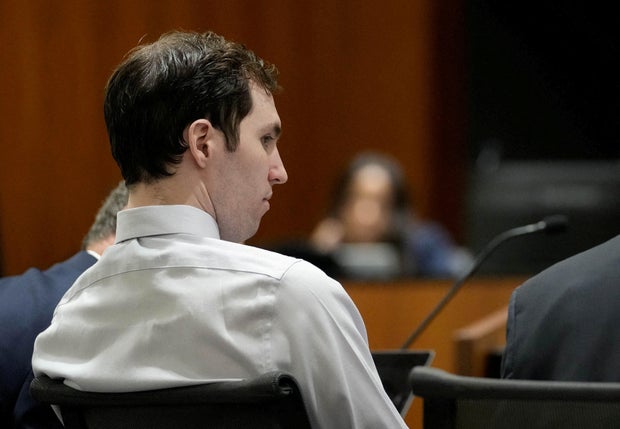
Prosecutors have highlighted an engraved bullet in the trial of Charlie Kirk’s alleged killer, Tyler Robinson. The bullet was inscribed with “Hey Facist! CATCH!” which prosecutors argue shows Kirk was attacked due to perceived political reasons. The political motivation is crucial as it may determine whether Robinson faces the death penalty if convicted. Both the prosecution and defense have filed legal documents discussing aggravating factors that could make Robinson eligible for the death penalty. These include whether Kirk’s targeting was political and if the shooting endangered attendees at Utah Valley University on September 10.
Robinson, a 23-year-old defendant, faces charges including aggravated murder. He turned himself in a day after the fatal shooting. During a court hearing in Provo, Utah, defense attorneys aimed to challenge the prosecution’s evidence, while Kirk’s family described it as “overwhelming.” The family expressed relief that evidence was presented publicly and emphasized the importance of truth and transparency as the case progresses.
Judge Tony Graf is set to decide on advancing the case to trial after hearing further arguments from both parties on September 1. Prosecutors noted the engraved bullet as “overt political reference” and highlighted a text message Robinson allegedly sent about Kirk. Robinson’s attorneys argue the message is insufficient to demonstrate political motivation.
Charlie Kirk was a prominent figure in conservative politics and co-founded Turning Point USA, an organization that supported President Trump’s reelection. Prosecutors suggest tension between Kirk’s conservative stances and Robinson’s personal life and relationships, including Robinson’s alleged relationship with his roommate, Lance Twiggs, who considered gender transition. Prosecutors assert Robinson left a handwritten note for Twiggs claiming he seized the opportunity to “take out Charlie Kirk.” However, Twiggs stated he never heard Robinson discuss issues related to Kirk or LGBTQ+ rights.
Investigators presented DNA analyses linking Robinson to the weapon and tool used for bullet engraving. Defense attorneys questioned the reliability of this evidence and contested claims about endangerment to others beyond Kirk, noting Kirk was the intended target. Prosecutors countered by citing the “zone of danger” surrounding Kirk at the time of the shooting.
 Christa Pike Moved to Rehabilitation Center After Surviving Execution Attempt
 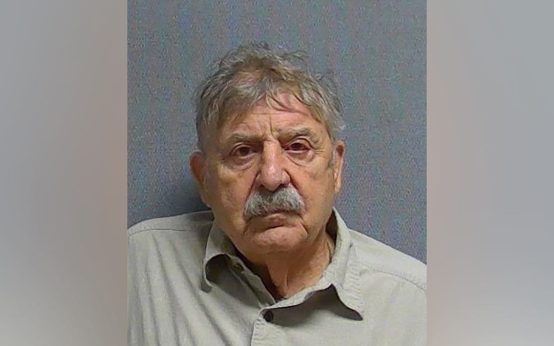 Ohio Dog Park Shooting Incident Sparks Legal Debate on Self-Defense Claims
  The Ethical and Practical Challenges of Lethal Injection Procedures
 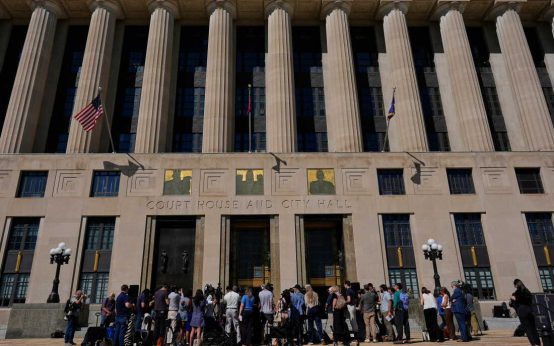 Failed Execution of Christa Pike Sparks Debate and Legal Questions
  Ex-CIA Official Guilty of Fraud and Abuse
  Inquiry Requested into DOJ’s Case Against Former Olympian