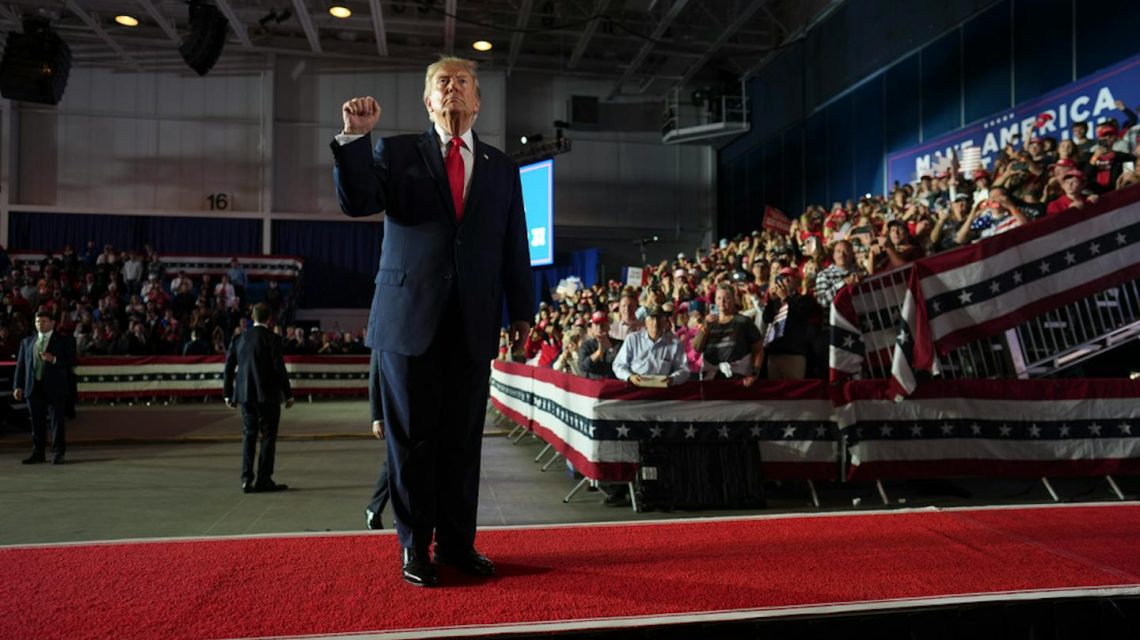
The recent midterm elections have signaled a clear shift in the political landscape, with voters pushing back against President Donald Trump, even in typically strong Republican states. Trump’s attempt to make the elections a personal referendum resulted in a significant Democratic win, revealing a potential decline in his influence over the coalition that once propelled him into the White House.
Throughout the campaign, Trump repeatedly encouraged voters to view the election as a proxy for his own re-election, a message he delivered 47 times. However, the outcome did not favor the president as he intended. The elections resulted in an overwhelming Democratic victory, which analysts describe as a rebuke against a president who has remained a dominant figure in national politics.
The backlash was evident even in traditionally conservative regions, where Trump’s support seemed to dwindle. Among the factors contributing to voter dissatisfaction were high gas prices, ongoing conflict with Iran, and corruption allegations involving Trump and his associates. These issues led some previous Trump supporters to either vote against his party or abstain from voting altogether.
As of Wednesday morning following the elections, the Democrats achieved a substantial 13 percentage point lead in the national vote for House seats, setting a record margin since at least 1976. This margin even surpassed Republican victories during the Clinton and Obama presidencies. Although gerrymandering may complicate seat distribution, the overall margin points to a waning Trump era.
Douglas B. Sosnik, who served under Clinton, noted the elections marked a rejection of Trump and Republican policies over the past two years. He suggested the political scene has entered a transitional phase expected to last until the next presidential elections.
Despite the electoral outcome, Trump maintained that his absence from the ballot directly affected voter turnout. However, many, including Republicans, dismissed this notion as the campaign focused heavily on Trump’s tenure and policies.
Key issues that weighed on voter sentiment included the president’s decision to engage in conflict with Iran, affecting energy prices, and questions surrounding Trump’s financial ethics. Furthermore, Trump’s personal involvement in candidate selection led to defeated Senate candidates in traditionally Republican states, such as Ken Paxton in Texas and Darline Graham in South Carolina, highlighting the cost of his strategic choices.
Voter sentiments reflected disillusionment with Trump’s failure to address their concerns, such as rising prices and immigration policies perceived as unjust. Additionally, tariffs that impacted consumer costs added to the discontent.
On the eve of the elections, Trump’s decision to focus on a speech about construction projects rather than addressing vital economic issues illustrated a disconnect with voter priorities. This approach underscored his fixation on specific projects despite political warnings.
Even with signs of fading support, Trump retains presidential authority for another two years, indicating he will continue trying to maintain his political influence. However, some warn against underestimating his resilience, with figures like David McIntosh of the Club for Growth emphasizing past premature political obituaries for Trump.
The Democratic victory prompts debates on its interpretation. While some see it as a repudiation of Trump, historical examples suggest caution. Instances like the Republican resurgence with Ronald Reagan post-1974 and similar Democratic rebounds during Clinton and Obama’s terms highlight the episodic nature of electoral waves.
Political analysts like Lynn Vavrek of UCLA noted that while dissatisfaction with Trump’s presidency, particularly over gas prices, was a key election factor, it doesn’t necessarily imply deep shifts in party alignments. Trump’s influence over Republican identity politics, including immigration issues, remains a significant factor.
As Democrats analyze their success, discussions emerge about the role of leftist energy versus moderate outreach to disaffected Republicans in places like Texas and Kansas. Rahm Emanuel, a Democratic figure considering a presidential bid, noted the break of non-MAGA Republicans from the party, framing the election as either transactional or transformational.
Reflecting on this shift, James Blanchard, a figure from the post-Watergate Democratic wave, argued that American politics cannot simply revert to pre-Trump norms. The elections highlight a turning point, marking the potential end of Trump’s dominance, though his presence lingers.
 Challenges and Advocacy in Construction: LIUNA’s Stand
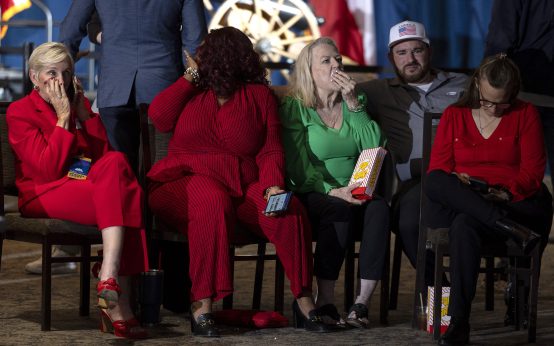 Democratic Sweep: Control of Congress and Historic Election Results
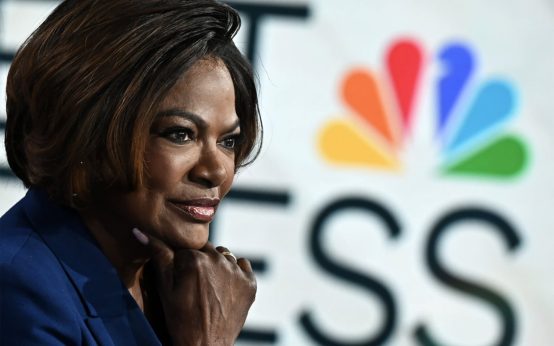 Democrats Triumph with Historic Wins and Shifts in U.S. Politics
 Pay Increase for Teachers Union Leader Amid Student Struggles
 Supreme Court’s Janus Precedent Faces Challenges from Oregon and New York
 Democratic Party’s Historic Wins: Analysis and Implications