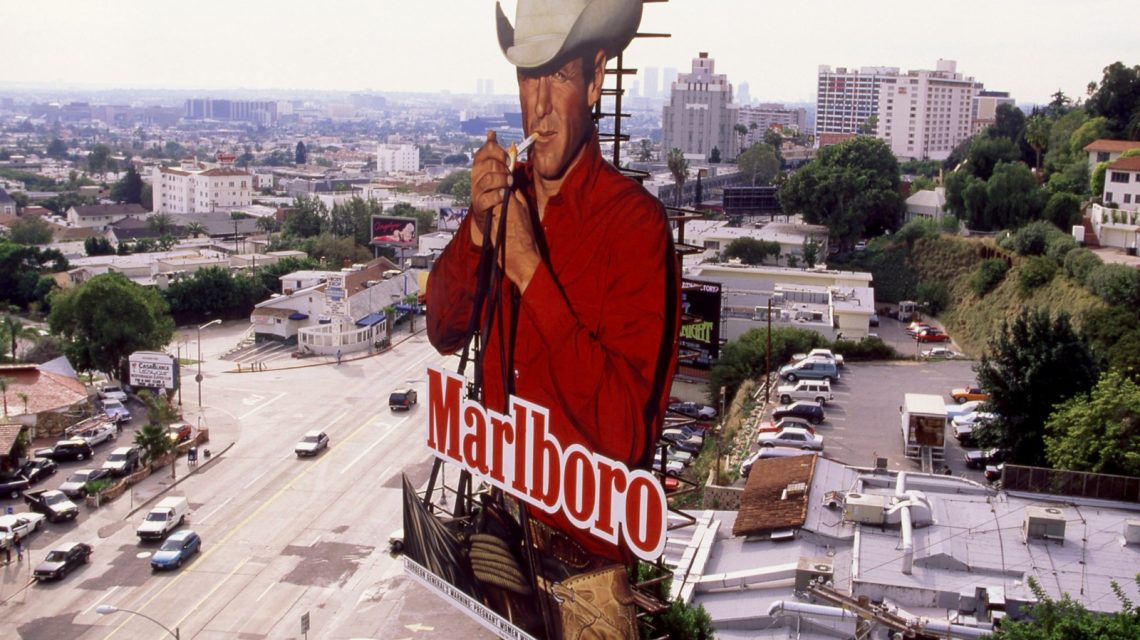
Trump Embraces Cowboy Image for Midterms
President Donald Trump is adopting a unique image as he approaches the Republican Party’s midterm convention in Dallas. Portrayed as a cowboy, Trump’s persona aims to appeal to supporters based on the heroic identity that helped secure his election. This approach is seen in $16 drink cozies featuring Trump on horseback, promoting the Dallas convention with graphics similar to Marlboro cigarette branding. Trump encourages voters to act as if his name is on the ballot in upcoming congressional elections.
“Pretend, please, that I’m on the ballot,” Trump urged supporters.
The cowboy image, along with his request, ties into Trump’s broader use of imagery, aiming to maintain his appeal amidst the scrutiny of his incumbency.
From President to Larger-Than-Life Character
Trump’s use of imagery is familiar. His public persona was built through television long before his political career, and as president, this strategy has been amplified. Over the Labor Day weekend, a series of memes depicted Trump as a superhero, a hockey player challenging Prime Minister Mark Carney, and a warship commander. Historical and religious figures have appeared alongside him in different posts.
This imagery takes on new significance as Trump faces mounting pressures. An incumbent must contend with voter perceptions based on actual accomplishments, whereas a candidate projects potential future success. Trump grapples with realities like economic policies and foreign relations, contrasting his fantastical persona as the midterms loom.
The superhero, commander, and cowboy roles serve a strategic purpose by reinforcing Trump’s strongman image beyond mere branding. This persona once promised what a Trump presidency might achieve; now, it coexists with his record and performance in office.
Navigating Midterm Challenges
Typically, midterm elections pose challenges for the president’s party. Historically, the president’s party has lost House seats in most cases, directly influenced by the president’s approval ratings. Trump experienced this firsthand in 2018 when Democrats gained 41 House seats.
In 2026, Trump adopts an unconventional strategy. Instead of distancing himself from congressional Republicans, he aims to make his presence more central. He heavily influenced the planning of the Dallas convention and is scheduled to attend both nights.
The cowboy image aligns with this strategy. A cowboy’s reputation relies on toughness and charisma, while a president is judged by tangible results. This fusion of identities aims for a midterm vote expressing loyalty to Trump’s political character rather than focusing solely on performance.
Potential Impact and Limitations
While the cowboy persona aims to boost turnout, it carries potential risks. Trump uses spectacle to keep his base emotionally engaged, evident in the design of the Dallas convention. The goal is to make congressional elections resemble another Trump campaign event.
However, this strategy might also mobilize both supporters and opponents. Symbolism can reinforce loyalty, but it does not negate the governing record. If voters emphasize economic and performance aspects, Trump’s cowboy persona must compete with his actual presidency.
Ultimately, Trump’s challenge lies in whether his image as the cowboy president can continue to attract voters after they have witnessed his administration firsthand for nearly two years.
 Reflecting on Significant Losses
  Challenges Facing Turning Point USA After Charlie Kirk’s Death
  Jimmy Kimmel Faces FCC Threat Over Interview With Texas Senate Candidate
 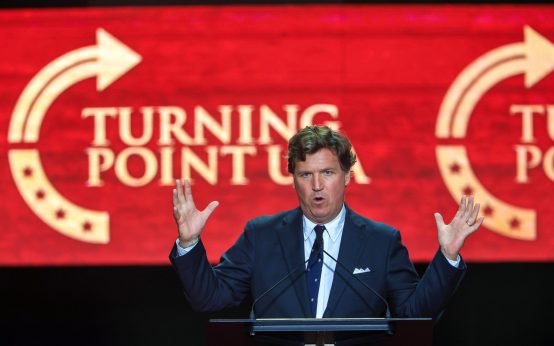 The Divided Legacy of Charlie Kirk
 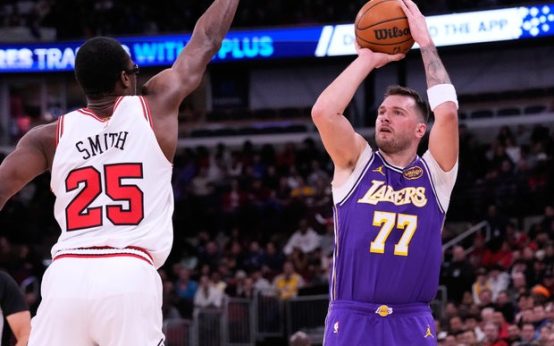 President Trump’s Comments at RNC Midterm Convention: Oil, Iran, Immigration, and an NBA Trade
 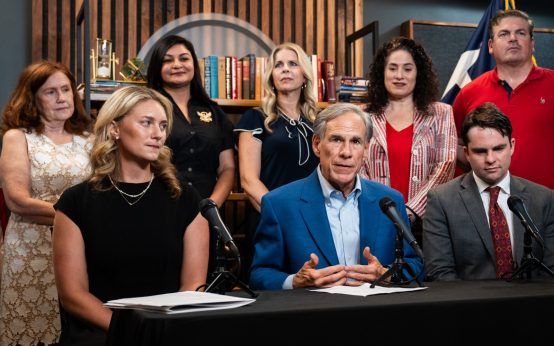 Texas Governor’s Race: A Close Contest Amidst National Political Dynamics