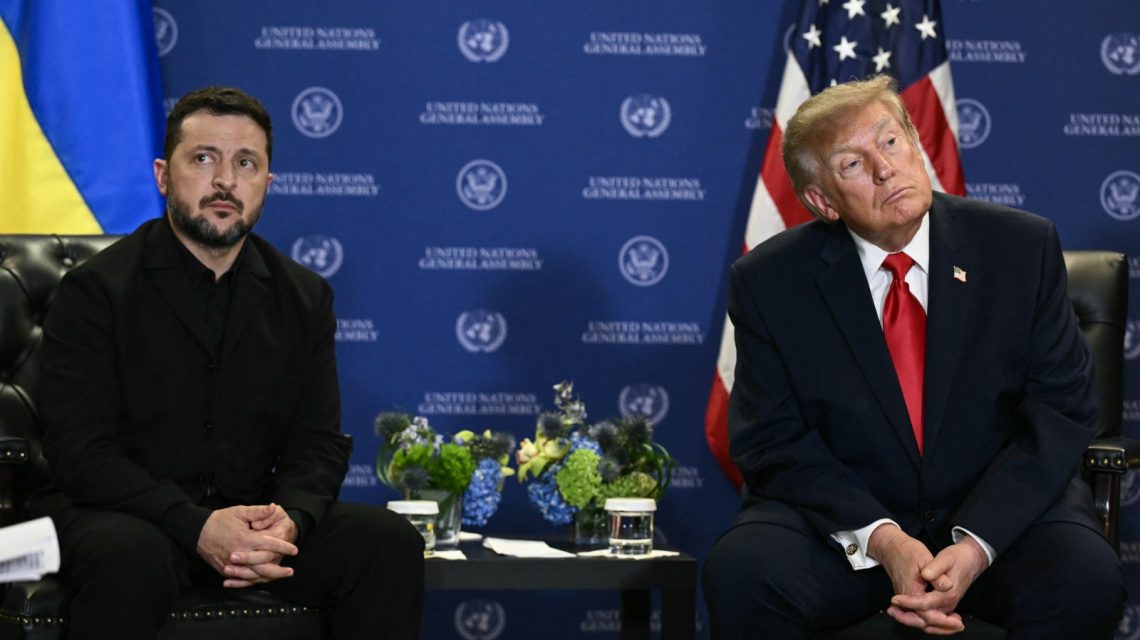
Trump’s Business Approach to Foreign Policy
Donald Trump perceives foreign policy similar to a business deal, where allies should prove their worth and adversaries are pressured to provide benefits. His experience from The Art Of The Deal suggests he should recognize when he might be getting deceived. Currently, Vladimir Putin, amidst his conflict with Ukraine and threats to America’s allies, has been using digital means to spread misinformation and manipulate U.S. political conversations. Yet, the White House still contemplates Russia as a potential partner to tackle America’s energy crisis.
The Russian Diesel Deal
“Lose-Lose-Win” seems to be the outcome of Trump’s approach to mitigating the fuel crisis.
Following discussions with Putin, Trump announced a plan where Russia would supply substantial amounts of diesel. To facilitate this, the U.S. Treasury eased sanctions on Russian diesel imports. Despite these efforts, numerous issues arise. Notably, Congress had explicitly banned Russian energy imports unless Moscow agreed to cease hostilities and withdraw from Ukraine with agreeable terms. Without such actions from Putin, the deal raises significant legal and ethical concerns.
Additionally, Trump’s deal contradicts his own previous demands from European allies to halt Russian oil purchases and his threats against China and India for supporting Russia financially. Previously, Trump empowered himself with the Lindsey O. Graham Sanctioning Russia and Iran Act to enforce stricter measures against Russia, yet this agreement seems to allow Russia undue leverage and relief.
Ukraine’s Response
Meanwhile, Ukraine continues its strategic operations by targeting Russian refineries, impacting Russia’s war capabilities. Zelensky expressed willingness to stop such attacks if Russia agreed to cease its bombardment of Ukrainian infrastructure. However, Russian attacks persist, leading to continued Ukrainian retaliations.
The implications for Kyiv involve making difficult choices between maintaining U.S. favor or pursuing its effective strategies against Russia. Trump publicly criticized Zelensky following Ukraine’s disapproval of the diesel deal, complicating the support dynamic further.
Ukraine’s Digital Strikes
The importance of Ukraine’s actions extends beyond physical strikes. Between October 8-11, Ukrainian drones targeted Yandex data centers, impacting key Russian internet services. With significant reliance on these digital platforms, disruptions could demonstrate Ukraine’s capacity to challenge Russia economically and digitally.
Furthermore, Moscow’s attempts to warp political narratives in the U.S. remain evident. In 2024, the Justice Department disrupted AI-assisted Russian bot activities and seized numerous domains linked to disinformation campaigns. Graphika research exposed further manipulative campaigns targeting U.S. politicians, illustrating Russia’s ongoing efforts to influence U.S. politics.
The Potential Role of Ukrainian Intelligence
Kyiv might find a strategic opportunity by identifying and neutralizing the infrastructure behind Russia’s interference in American politics. Zelensky could offer tangible support to bolster American interests and democracy, potentially more valuable than mere financial transactions with Russia.
Ultimately, with Russia’s disinformation efforts predominantly targeting Democrats, Trump’s motivation remains complex, potentially influenced by political biases and short-term gains over long-term security.
 Federal Agents Search Home of Rep. Ilhan Omar Amid Ongoing Investigation
  Trump’s Impact on Ohio’s Industrial Landscape
  Supreme Court Review: Gun Control vs. Gun Rights
  New York City to Review Police Use-of-Force Policies
  Concerns Over Pervasive Chinese Espionage in the U.S.
  House Democratic Leaders Condemn Search of Rep. Ilhan Omar’s Home