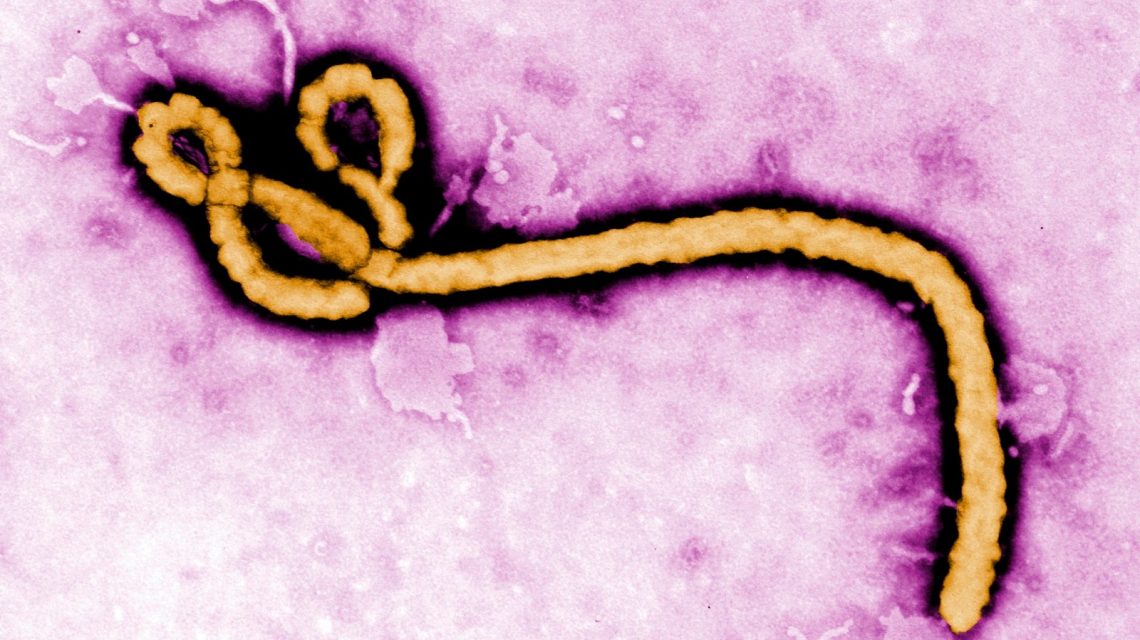
The recent attention on Ebola arises after a “small number” of Americans were possibly exposed to the virus in the Democratic Republic of Congo (DRC) and Uganda. This has brought focus on how Ebola compares with hantavirus, as a recent hantavirus outbreak on an Antarctic expedition cruise ship has resulted in close monitoring of dozens of Americans.
Though both infections can be fatal, their transmission and risks differ significantly. Ebola spreads quickly through bodily fluids, necessitating fast response. Hantavirus typically spreads through contact with infected rodents and does not commonly spread between humans.
Ebola Outbreak in DRC and Uganda
U.S. health officials are evacuating Americans from the DRC and Uganda after potential Ebola exposure. The World Health Organization (WHO) has declared this a public health emergency of international concern. The Centers for Disease Control and Prevention (CDC) is assisting those directly affected.
The outbreak involves 10 confirmed and 336 suspected cases, 88 of which are fatal, in DRC. Uganda recorded two confirmed cases and one death. The CDC notes the risk to Americans remains low, despite fatality rates ranging from 25 to 50 percent.
Ebola vs. Hantavirus
Ebola often causes larger outbreaks due to its human-to-human transmission through bodily fluids. Strict containment is required to prevent wide spread. Hantavirus chiefly spreads via contact with infected rodents, rarely moving from person to person.
Transmission Details
Humans can contract Ebola from infected animals like fruit bats and chimpanzees. Hantavirus is typically contracted through exposure to rodents’ urine, droppings, or saliva. Although Ebola spreads between humans, hantavirus human-to-human transmission is rare.
Comparison of Fatality Rates
High fatality rates characterize both, but variations exist. Hantavirus cardiopulmonary syndrome has about a 50 percent fatality rate. Ebola ranges from 25 to 90 percent. Ebola’s ease of spread elevates its perceived threat.
Symptom Development Timing
Hantavirus symptoms may appear between one to eight weeks post-exposure. Ebola presents symptoms more quickly, within two to 21 days, allowing rapid identification.
American Risk and Response
The CDC continues monitoring but reports no U.S. cases from this outbreak. Travel warnings are in place for regions in the DRC and Uganda, with cautionary directives for travelers.
Lawrence Gostin from Georgetown University highlights weak CDC capacity due to cuts, reducing confidence in response to potential Ebola cases. Dr. Paul Spiegel from Johns Hopkins notes Ebola, being non-airborne, spreads only via symptomatic contact.
Despite effective containment in DRC and Uganda, systemic global health infrastructure cuts pose risks. The strategic systems vital for detecting outbreaks require reinforcement.
Why Global Concern Persists
Given its capacity for rapid spread, Ebola outbreaks demand intensive containment approaches, requiring vigilance from global health bodies. These efforts are crucial to prevent cross-border transmission.
Historical Outbreaks
Ebola’s history includes numerous African outbreaks, some escalating into major health crises. With most transmissions contained within Africa, isolated cases outside remain rare.
 Counterpressure, Not Concessions, Crucial for Russia-Ukraine Conflict
  Ukraine’s Capital Faces Increasing Frontline Challenges
  Key Developments in U.S. Politics and International Relations
  Latest Developments in Politics and Policy
  U.S. Airstrike on Iranian Girls’ School: UN Report and Global Reactions
  Cornell University Sexual Assault Investigation Reopened