
Wildfire smoke from Canada and Minnesota has led to some of the worst air quality conditions in the United States. Starting Wednesday, this smoke moved across the upper Midwest and Northeast, causing hazy skies and an unpleasant odor. By Friday, it’s expected to spread further south into the Midwest, Appalachia, and the East Coast.
As of Thursday morning, the Environmental Protection Agency’s U.S. Air Quality Index ranks northern Minnesota as having the most severe air quality. The interactive map details areas in Minnesota, Wisconsin, and Michigan, showing shades of purple and maroon, indicating very unhealthy to hazardous air quality levels. Purple defines a ‘very unhealthy’ index with a 201-300 AQI, and maroon signifies a ‘hazardous’ index with an AQI above 301.
North central Minnesota reports a staggering AQI of 1,421, nearly five times above the hazardous threshold. Northern Minnesota camps are shutting down, and wilderness trips are curtailed as Minnesota Public Radio reports. Recent evacuations in the Boundary Waters Canoe Area Wilderness were carried out by wildlife officials due to wildfires.
The Minnesota Arrowhead area and Duluth are also facing severe air quality challenges, ranked second and third nationally. Their AQIs are 1,086 and 923. Other Midwest locations are also affected, including Toledo, Ohio (649 AQI); Wisconsin’s eastern Northwoods (627 AQI); Michigan’s eastern Upper Peninsula (622 AQI); Southeast Michigan (622 AQI); Grand Rapids, Michigan (616 AQI); Central Minnesota (607 AQI); and Western Michigan’s Upper Peninsula (596 AQI).
Globally, according to IQ Air, Detroit, Michigan, leads with the most polluted air, having a 600 AQI. Following Detroit are Toronto, Canada (390 AQI); Minneapolis (343 AQI); and Chicago (232 AQI). Only Chicago falls outside the hazardous AQI.
In New York and Pennsylvania, the map shows a red hue, signaling ‘unhealthy’ air. Philadelphia currently has an AQI of 182, placing it in this category. Forecasts expect Minnesota and Wisconsin to face the worst conditions, while places like Michigan, New Jersey, New York, and Pennsylvania will encounter unpleasant air quality. By Friday, improvements are forecasted but conditions might deteriorate in Maryland and Delaware.
Nexstar meteorologist Darrius Stringer suggests that storms and rain could improve conditions by Saturday, with clearer skies expected by Sunday. Despite this, ongoing fires may keep compromising air quality throughout the summer.
Tyler Hasenstein, National Weather Service meteorologist in Minnesota, advises staying indoors to combat the smoke and heat. Fine particulate matter in the air can affect sensitive groups, leading to symptoms like shortness of breath, coughing, dizziness, or fatigue. Recommendations include wearing an N95 mask outdoors and maintaining indoor air quality by keeping windows closed and using air purifiers.
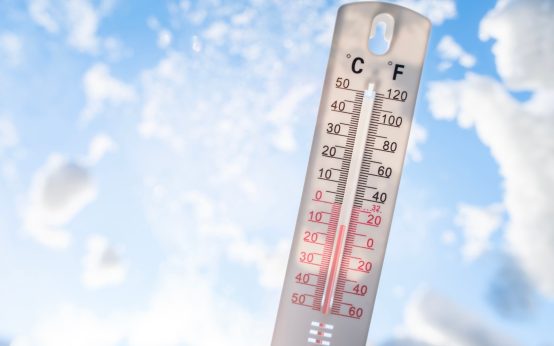 Cold Weather Alerts and El Niño Influence
 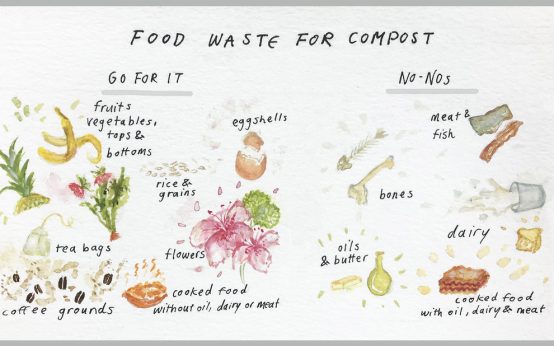 Turning Home Food Waste into Compost: A Guide
  Chicagohenge: When Sunlight Aligns with City Streets
  Fat Bear Week 2026: A Look at the Contest and Its Competitors
  California Governor Declares Statewide Emergency Ahead of El Niño Storms
 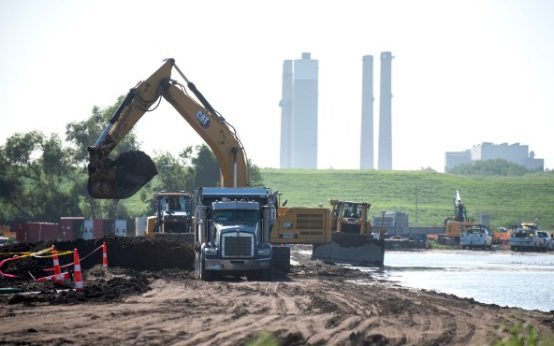 EPA Rollbacks and the Impact on Indiana Communities