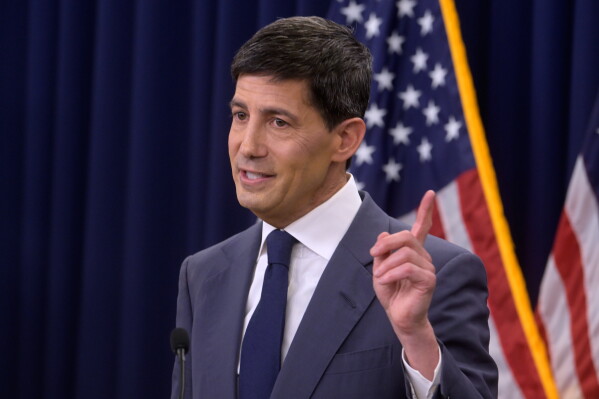
Last month, U.S. inflation saw a notable decrease due to lower prices for gas, clothing, and used cars, offering relief to consumers. The Labor Department reported a 0.4% price drop from May to June, marking the largest monthly decline in four years. Yearly, inflation fell to 3.5%, down from 4.2% in May, surpassing economists’ forecasts.
However, oil prices rose as tensions in the Middle East increased. The U.S. launched attacks on Iran, and President Trump initiated a blockade in the Strait of Hormuz, a vital oil shipping lane. This escalation could impact the economy and the upcoming midterm elections. Core prices, which exclude food and energy, remained stable in June, rising 2.6% annually, still above the Federal Reserve’s 2% target.
Economists suggest that the recent gas price increase hasn’t yet led to widespread inflation. Michael Metcalfe from State Street Markets stated that the inflation experienced this year appears temporary. Fed Chair Kevin Warsh, in a testimony to Congress, emphasized the Fed’s intolerance for high inflation but provided no details on future actions.
Prices for a broader range of goods dropped more than expected, with electricity falling 1% from the previous month, though it’s still up 4% from last year. Clothing costs decreased by 0.6% month-to-month but increased 3.9% annually. Grocery prices rose slightly by 0.2% from May to June, with a 2.7% annual increase, while rent costs showed a minor monthly rise of 0.1% and 2.8% year-on-year.
The Federal Reserve remains divided on how to combat inflation. Half of the policymakers favor interest rate hikes by the year’s end, while others prefer watching inflation trends as gas prices potentially decrease. Rising tensions in the Middle East have influenced oil prices, with Brent crude rising 4.6% to $87.13 per barrel as both the U.S. and Iran claimed control over the Strait of Hormuz.
The Fed acknowledges investments in AI infrastructure might affect inflation by increasing costs for semiconductors and electricity. Price hikes by tech companies like Apple and Microsoft illustrate this concern. Fed Governor Christopher Waller highlighted the persistence of core inflation, suggesting a potential need for tighter monetary policy if trends don’t improve. Yet, New York Fed President John Williams indicated that stable core inflation might allow for rate stability.
Mixed signals persist as a New York Fed survey revealed many regional companies plan further price increases despite paying tariffs. Meanwhile, Walmart announced price reductions on various items, garnering praise from President Trump, who linked the rollbacks to his policies, although the company did not.
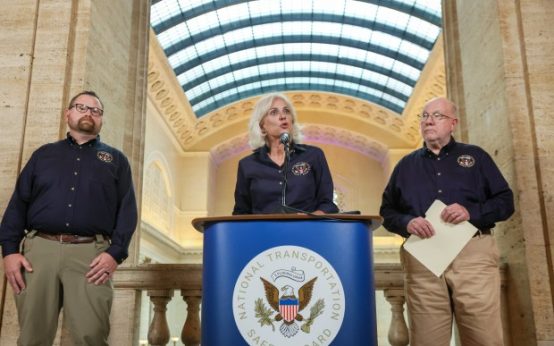 National Railroad Safety Campaign Launches in Chicago
 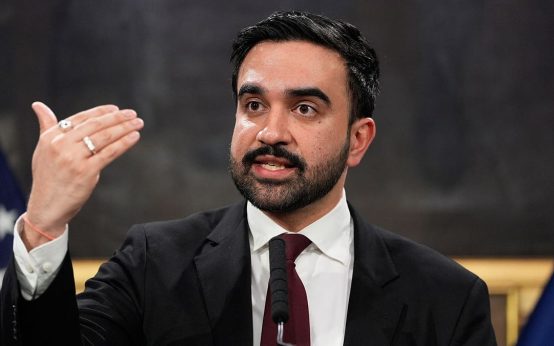 Zohran Mamdani Faces Backlash Over Columbus Day Parade Invitation
 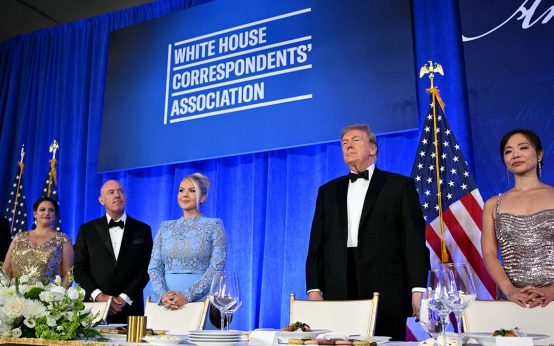 Details Emerge on Trump’s Response During WHCA Dinner Incident
 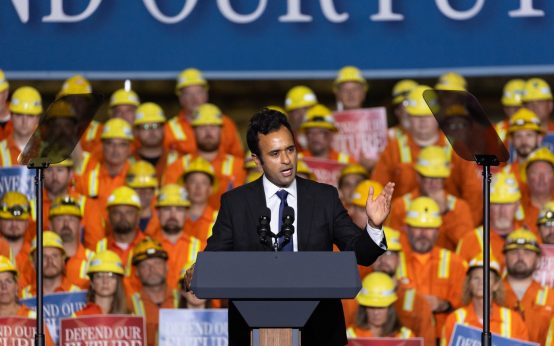 Ohio Governor Race: Ramaswamy’s Chances Decline on Prediction Markets
  FAA Ground Stops, Paramount Settlement, and ICE Shooting Incident
  Details Emerge on Shooting of Venezuelan by ICE Officer in Austin