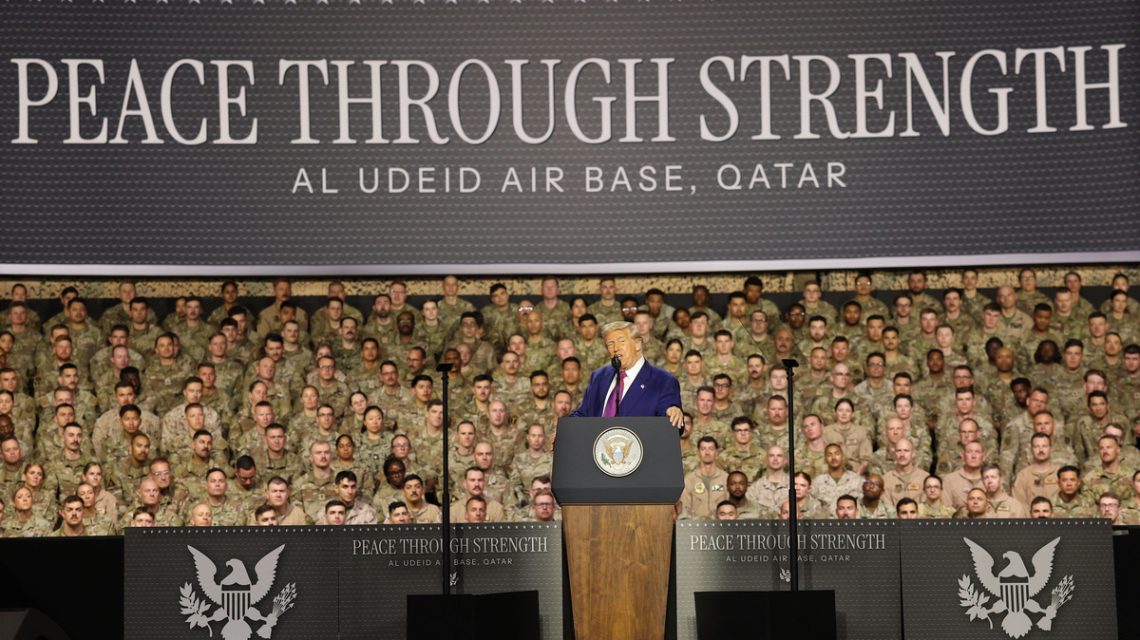
U.S. authorities have dismissed fears about the stockpiles of crucial missiles, crucial interceptors included, needed for the protection of U.S. military bases throughout the Middle East. President Donald Trump emphasized substantial reserves of munitions, especially certain types, via Truth Social.
The president responded to accusations of depleted U.S. arsenals, including advanced air defense missiles for intercepting Iranian ballistic missiles. In recent weeks, Tehran and Iranian-backed groups have attacked eight Middle Eastern nations post the collapse of a ceasefire deal in June, impacting U.S. military operations.
Iran’s Regional Aggression
Iran targeted myriad U.S. bases with ballistic missiles, especially those in Kuwait, Bahrain, and Jordan. Data from the Armed Conflict Location and Event Data (ACLED) details significant attacks post-ceasefire, with 57 in Kuwait, 38 in Bahrain, and 27 in Jordan by late July. These attacks sometimes entailed multiple drones or missiles fired simultaneously.
July witnessed the deaths of three U.S. service members from an Iranian barrage on Jordan’s Muwaffaq Salti Air Base, revealing vulnerabilities as a ballistic missile bypassed air defenses. The Patriot and Terminal High Altitude Area Defense (THAAD) systems remain critical for intercepting such threats.
Depletion of Defense Systems
The U.S. once had approximately 452 THAAD interceptors, a figure that reduced to 234 by July, as reported by the Center for Strategic and International Studies (CSIS). Patriot system interceptors fell from around 2,330 to 759 by late July. This scarcity affects global demands, including Ukraine where defensive capabilities have been compromised.
Ukraine’s recent inability to intercept a Russian ballistic missile strike on Kyiv highlights the global shortage of interceptors. Without these, U.S. bases in the Middle East face significant risks from Iranian missiles capable of reaching Greece and beyond.
U.S. Military Presence in the Middle East
With tens of thousands of personnel deployed, the U.S. maintains around 19 bases in the Middle East, eight considered permanent. Bahrain, as the U.S. Fifth Fleet’s headquarters, supports operations across various regions and hosts vital naval and marine divisions.
Kuwait houses significant U.S. Army presence at Camp Arifjan, with other bases facilitating air and logistic operations. Despite strategic deployments, Iranian strikes have inflicted casualties, including six soldiers killed during a March attack on Port Shuaiba.
Qatar, home to the significant Al Udeid base and a mediator between the U.S. and Iran, has been attacked multiple times. Reports indicate collateral damage to defense infrastructures like early warning radar systems.
Jordan’s Al-Azraq Air Base and Iraq’s Kurdish region have also faced repeated hostilities. The death of Sergeant Michael Emmanuel Swinton post-drone detonation in Erbil underscores the hazards faced by U.S. operatives.
The UAE houses Al Dhafra Air Base and frequently hosts U.S. naval operations. Saudi Arabia’s Prince Sultan Air Base endured continuous threats, exemplified by the fatality of Sergeant Benjamin N. Pennington after an attack.
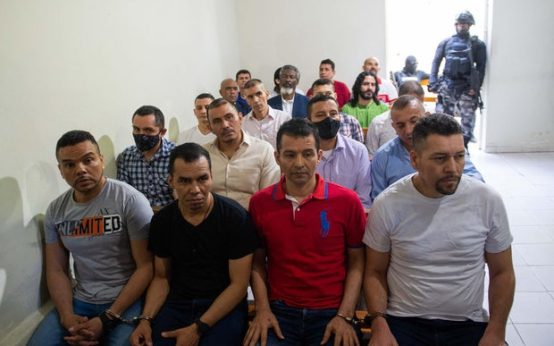 Suspects in Haitian President’s Assassination Await Extradition to U.S.
  Ambassador Avoids Timeline on Prolonged Iran Conflict
  Controversy Surrounds Children’s YouTube Star and Journalist’s Revelations
  German Chancellor Friedrich Merz Faces Challenges After Election Losses
 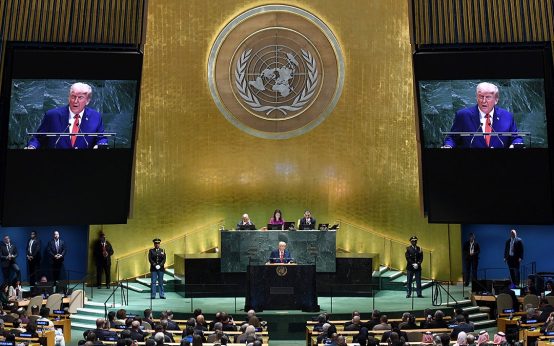 Trump’s Approach to Iran at the United Nations
 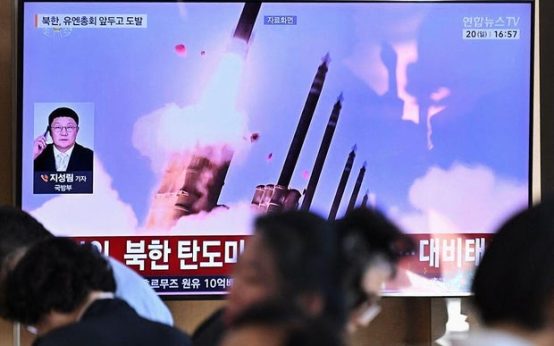 North Korea’s Missile Launches Escalate Tensions