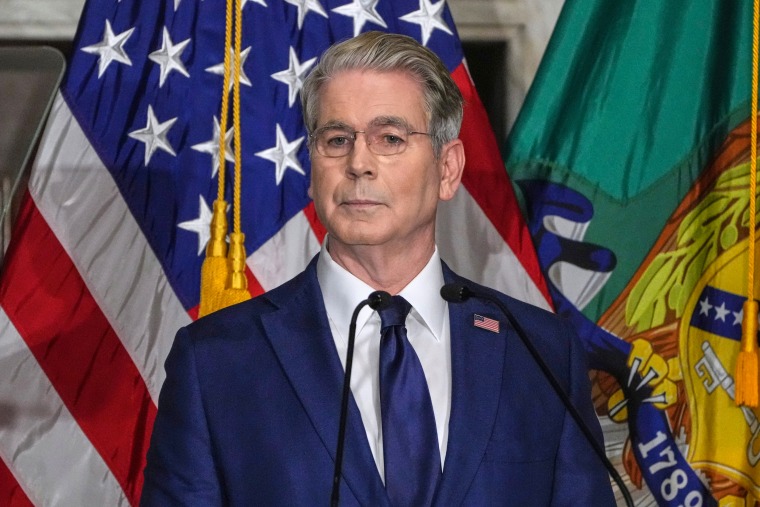
Introduction to New Sanctions
Treasury Secretary Scott Bessent has announced a fresh series of sanctions against Iran, targeting key sectors such as shipping, oil, cryptocurrency, gold, and aviation. This move is part of an effort to further isolate Iran economically.
President Trump is actively reaching out to international leaders, urging them to halt trade with Iran.
Scope of Sanctions
The Treasury is sanctioning nearly 60 corporations, individuals, and vessels across various jurisdictions. These entities are considered to facilitate Iran’s risky activities. Among them are several Chinese nationals, despite China deeming it illegal for its citizens to comply with unilateral U.S. sanctions.
Bessent emphasized that the U.S. is using ‘quiet diplomacy’ to warn Iranian trade partners about continued dealings with Tehran. Entities involved in money laundering for Iran will be excluded from the U.S. dollar system.
Implications and Reactions
The Treasury’s actions are focusing on ‘secondary’ countries whose trade with Iran persists. The United Arab Emirates (UAE) has announced a halt to all trade relations with Iran, aligning with U.S. objectives.
Market reactions to this announcement have been subdued. Experts argue the enduring impact will depend on major Iranian trading partners like China, India, and Russia.
Political and Economic Costs
The U.S. faces significant costs from its actions against Iran. Defense Secretary Pete Hegseth estimates the financial burden of the conflict at $37.5 billion, with the total economic impact potentially reaching $150 billion.
This situation is also contributing to political challenges for President Trump, whose approval rating has dropped ahead of the midterm elections.
Iran’s Response
Iran’s officials, including Mohammad Bagher Ghalibaf and Deputy Foreign Minister Kazem Gharibabadi, have criticized Bessent’s plan on social media. They suggest U.S. measures indicate desperation rather than strength.
Iran’s Central Bank has assured that the country prepared for economic challenges by stockpiling foreign currency to secure essential goods and medicine.
Current Economic and Social Climate
Tehran’s Grand Bazaar reflects economic tension, with increased police presence and public frustration over the Rial’s value and rising gas prices. Authorities are wary of potential protests due to these conditions.
Despite initial hopes from President Trump, Iran’s leadership has tightened its control since the conflict began. Mojtaba Khamenei has reinforced the hard-line approach following his father’s demise.
 Historic Opportunity for a Female UN Leader Faces Challenges
  Supreme Court Decision on Trump Administration’s Mail-In Ballot Order
 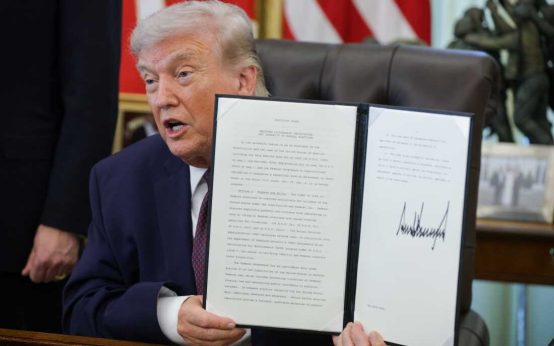 Supreme Court Pauses Ruling on Trump’s Mail-In Voting Directives
 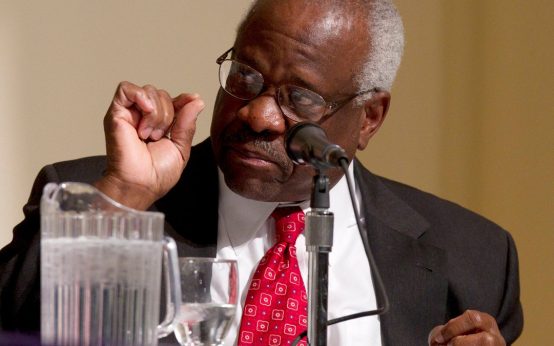 Clarence Thomas Rejects Racial Expectations on Political Views
 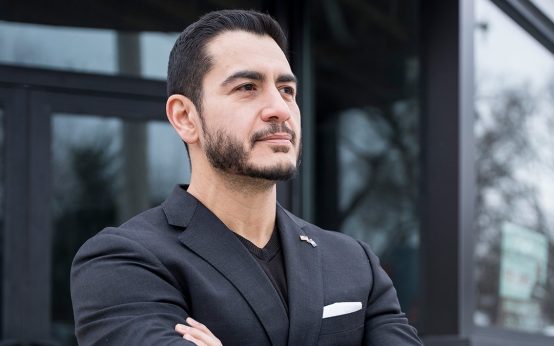 Michigan Senate Candidate Abdul El-Sayed Faces Backlash Over Remarks
 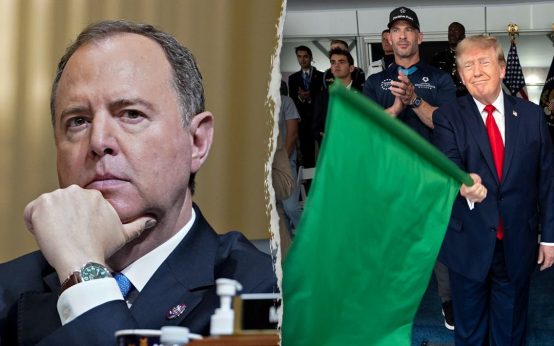 President Trump’s Appearance at the Freedom 250 Grand Prix Sparks Debate