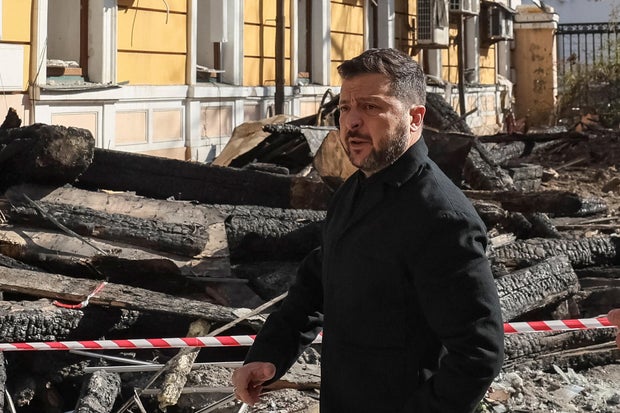
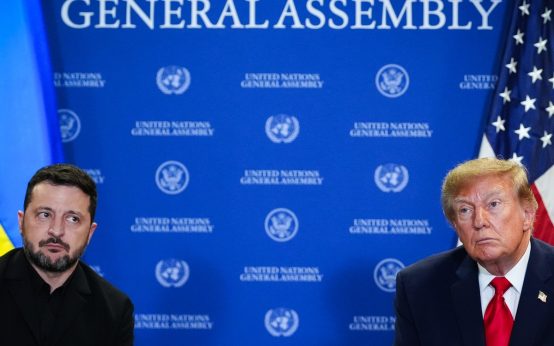
Ukraine’s President Volodymyr Zelenskyy announced that Russia has yet to comply with an energy ceasefire declared by U.S. President Trump. Despite the announcement on Sunday, Russia attacked a power plant in eastern Ukraine later that day. By the following Monday, six more energy facilities in Ukraine faced Russian attacks.
Zelenskyy expressed Ukraine’s readiness to honor the energy ceasefire as outlined by President Trump. However, he emphasized the lack of reciprocal actions from Russia on social media platform X, stating, “Ukraine is ready to guarantee the energy ceasefire, as announced by the American President, and Russia must take corresponding steps.” He noted, “As of now, there is no indication that Russia is complying with the conditions outlined by the American President.”
When questioned about violations on Monday, President Trump commented, “I’m not sure about that, and we’ll take a look. But all I know is that Zelenskyy and Putin have to get together and end that ridiculous war.” He acknowledged that “there’s been violations on both sides.” Later, Trump suggested that Russian President Vladimir Putin “wants to make a deal more than Zelenskyy.”
Over the past year, Trump’s efforts to stop energy infrastructure attacks between Russia and Ukraine have failed. Back in January, he claimed that Putin had agreed to halt strikes for a week, yet Russia attacked key facilities in Kyiv just four days later. Another agreement supposedly reached in September also failed to curb the attacks. Zelenskyy, in a CBS News interview, had expressed doubts about Russia honoring such agreements.
One reason for Russia’s continued aggression is the more significant impact of its actions on Ukraine. Ukrainian strikes mainly target Russian oil and gas facilities, impacting Russian energy revenues used to fund the war effort. The International Energy Agency noted that these strikes have lowered Russian oil refining to a 20-year low and decreased diesel production by 30% this year. Despite this, Russia’s economy has not shown signs of collapse.
“For Russia, Ukraine’s attacks are an inconvenience and an inflationary pressure,” said Alexander Kolyandr, director for Europe at Eurasia Group. “It is definitely damaging Russia’s economy, but it isn’t putting it on the verge of collapse.”
Russia’s larger economy and military capabilities mean it inflicts more damage on Ukraine. While Ukraine has begun experiencing power outages this fall, Kolyandr noted that Russia’s strategy involves targeting all infrastructure as potential military assets.
Last winter, Trump requested Russia to cease its attacks on Ukraine’s energy infrastructure during a harsh winter. He is now placing pressure on Ukraine amid high global energy prices, which he attributes to the war in Ukraine more than other global conflicts, such as in Iran.
Trump recently announced a deal allowing Russia to sell diesel to the U.S. and global markets. This represents a pivot from previous U.S. policies aimed at limiting Russia’s ability to finance its war through oil sales.
Reports indicate that the Trump administration has threatened to cut intelligence sharing and halt U.S. weapon sales to European allies for Ukraine through the PURL procurement system if Ukraine doesn’t stop attacks on Russian energy facilities. The Financial Times initially reported this development, and CBS News has contacted the White House for a statement.
Zelenskyy stated that achieving an energy ceasefire largely depends on the U.S. increasing pressure on Russia. “A lot depends on America’s position for de-escalation to actually succeed,” he said. “Pressure on Russia is needed.”
 Trump’s Diesel-Deal Feud with Zelensky Obscures a More Important Effort
  US Policy Shift: Aid Threat to Ukraine and Sanctions Relief for Russia
 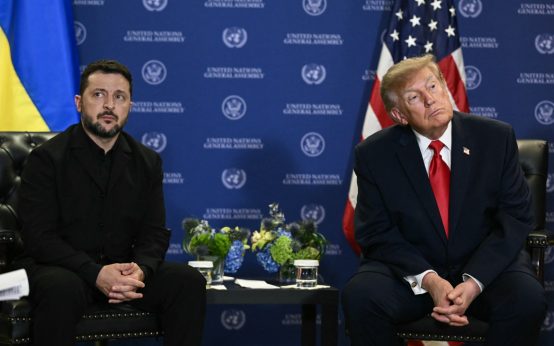 Trump’s Foreign Policy Approach Amidst Russian Actions
 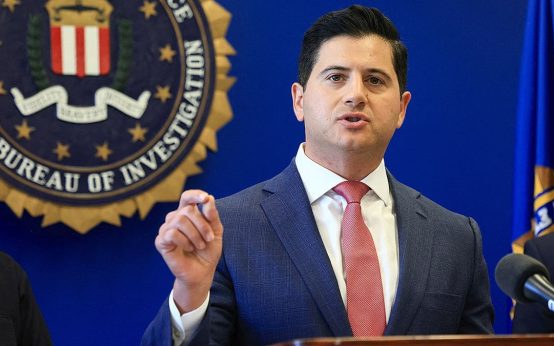 Concerns Over Pervasive Chinese Espionage in the U.S.
 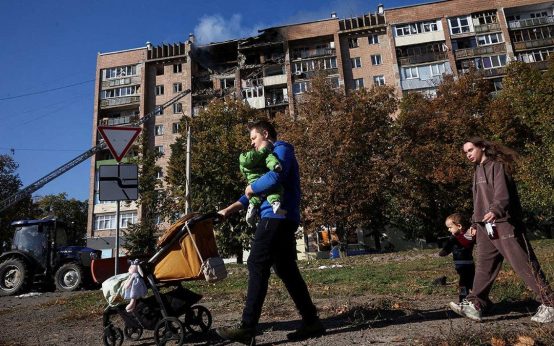 Zelenskyy Expresses Skepticism Over Russia’s Commitment to Energy Ceasefire Amid Continued Attacks
  Calls for New Leadership in Ukraine Amid Political and Energy Tensions