The Donald Trump administration has clear expectations from European NATO allies. Trump expects them to contribute their fair share to the alliance, maintain their own defense, and support the war on Iran since February’s Middle East conflict.
European leaders recognize their past shortcomings in defense spending. They have promised to address this. However, Trump’s demands have faced resistance. Ukraine stands apart in this landscape. Previously seen as a financial drain by the Trump administration, Ukraine seems eager to prove its value to the U.S.
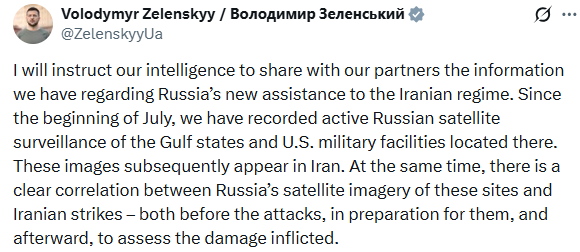
This was evident in the recent attack on an Iranian ship. Ukrainian President Volodymyr Zelensky also offered intelligence sharing on Russian activity. The old views on Ukraine’s worth are changing, as Jacob Parakilas from RAND Europe notes. He stated, “Ukraine is successfully demonstrating its value. The question now is the extent to which Washington responds to that signal.”
Ukraine’s Cooperation Efforts
For over four years, Ukraine’s military and intelligence have been active against an invasion. Yet, Kyiv has supported the U.S. and its partners regarding Iran.
Ukraine recently launched a strike on a ship in the Caspian Sea, claiming ties to Iranian military cargo, resulting in a destroyed vessel and a casualty. President Zelensky announced Ukraine would share intelligence about Russian satellite surveillance of U.S. sites in the Gulf with Iran.
Iran responded indignantly. Foreign Minister Abbas Araghchi criticized Kyiv’s actions. The Iranian government stated its non-interference in the Russia-Ukraine conflict, overlooking their drone deliveries to Moscow.
Ukraine’s initiative with U.S. intelligence contrasts with the reluctance of European NATO partners to engage militarily in the Middle East.
Transactional Relationships
Zelensky understands that Trump’s administration finds funding Ukraine’s war effort challenging. Instead, Kyiv adopts a transactional approach, showcasing a potential for more benefits in collaboration.
Europe is responding to Trump’s pressure by boosting defense spending. However, they still rely on U.S. defense systems. Meanwhile, Ukraine wants to change the narrative of being a financial burden to Washington.
A recent bilateral statement signifies the potential for a defense-industrial relationship. Ukraine’s drone technology could be utilized by the U.S., aligning with the Pentagon’s “Drone Dominance” program. The U.S. lags, as Ukraine has agreements with the EU and Canada for its drones.
In addition, Ukraine assists Gulf nations in enhancing air defense against Iranian threats. Ukrainian experts shared their expertise in the Gulf regions following Iranian attacks in March.
Though Ukraine seeks U.S. support in defense systems, it offers shared technology, licenses, and export channels for drones. This mutuality aligns with Trump’s expectations from allies.
The Potential Risks
Ukraine’s strike on an Iranian-linked ship could worsen tensions. Kyiv’s further military actions risk escalating conflicts, complicating the U.S. position.
While Trump values allies, he is wary of deeper entanglement in an expanding conflict. Ukraine’s broader war threats appear insignificant, facing an existential battle against Russia.
For Ukraine, a strategic confrontation with Tehran could leverage U.S. support. Ukraine argues that Iran is integral to adversaries like Russia, advocating its ongoing conflict experience as advantageous for the U.S.
If Trump seeks allies who handle their battles, develop weapons, and share intelligence, Ukraine fits the criteria.
 Trump Administration Seeks to Influence NIH Grantmaking
  Protests in Austin: Analyzing the Coordination Behind Anti-ICE Demonstrations
  Controversy Surrounds Inglewood Mayor Amid Allegations
  White House Launches Trump TV Amidst Press Dispute
  Media Organizations Sue Trump Administration Over Press Access
  VP JD Vance Trails Potential Democratic Contenders in Early Polling for 2028 Election