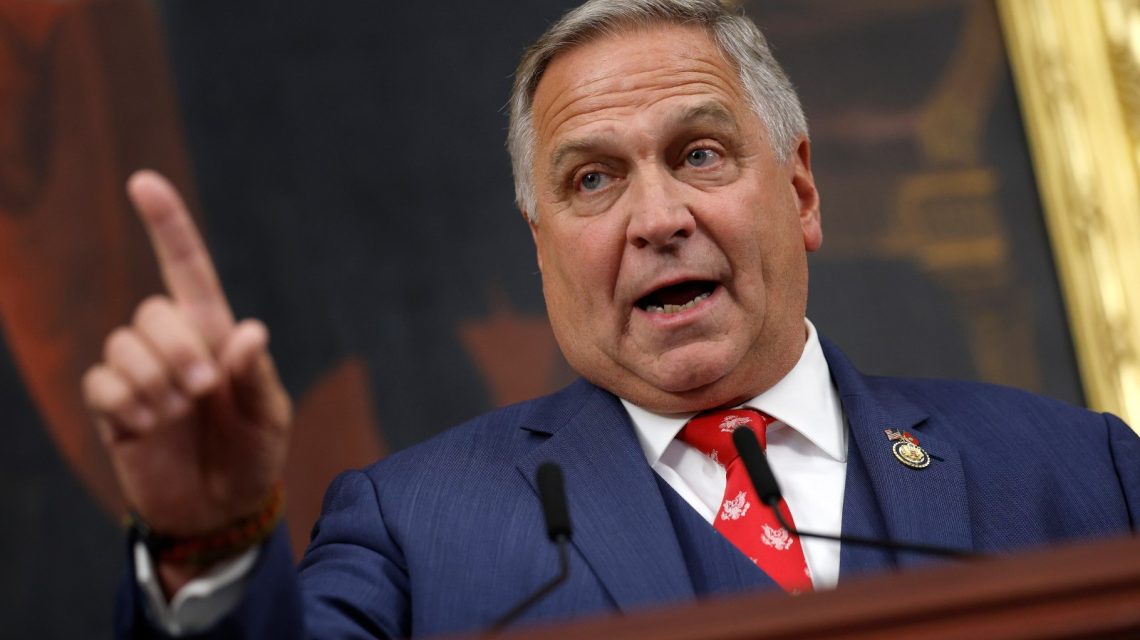
The Take Care of America’s Veterans Act faced an unexpected delay in the House on Thursday, creating uncertainty for a potentially historic expansion of veterans benefits. Republican leaders withdrew the bill due to increasing opposition from lawmakers and veterans’ groups, concerned that some benefits might be expanded at the cost of future disability payments for veterans with issues like tinnitus and sleep apnea.
Bill Provisions and Sponsor Support
House Veterans’ Affairs Committee Chairman Mike Bost from Illinois, a Republican, sponsored the bill. It aims to increase benefits for disabled veterans, military survivors, caregivers, and families while also modifying veterans’ healthcare and compensation programs. Bost expressed confidence, stating plans to implement these changes responsibly.
“We have found a pathway to finally get these benefits and transformations done for the first time in years. It is fiscally responsible to do so,” Bost said recently.
Rising Tensions and Opposition
The bill became highly controversial, splitting major veterans organizations and meeting resistance from Democrats due to funding concerns. Proponents see it as a way to advance veteran priorities stalled by financing disputes.
The legislation is formally referred to as H.R. 9237, proposing amendments to federal veterans laws to improve benefits and VA operations. According to Alex Beene, a financial literacy instructor, the long-term impact might be mixed if it passes in its current form.
Key Provisions
Major Richard Star Act
The legislation includes the Major Richard Star Act, which would permit about 50,000 combat-injured veterans to receive both military retirement pay and VA disability compensation without reductions. This proposal, despite bipartisan support, has faced challenges due to its significant cost implications.
“Many veterans oppose this legislation because it effectively asks one group of veterans to help pay for benefits for another by reducing future disability compensation for conditions like tinnitus and sleep apnea,” Kevin Thompson, CEO of 9i Capital Group, commented.
Love Lives on Act
Another component is the Love Lives on Act, extending benefits for military widows and widowers who remarry, a longstanding priority for veteran advocacy.
Additional Expansions
The package covers caregiver support, mental health initiatives, claims-processing reforms, and several other veterans policy changes.
Controversial Funding Issue
The primary controversy lies in how Congress plans to finance the new benefits. The bill relies on future changes to VA disability compensation for tinnitus and sleep apnea, which could reduce payments for veterans with these conditions.
Democrat lawmakers, including Mark Takano and Richard Blumenthal, have criticized funding methods that they claim reduce one set of benefits for others.
“The Republican insistence on offsetting new investments in veterans is both absurd and cruel,” Blumenthal and Takano wrote in an opinion piece.
Support and Opposition Among Veterans Groups
Veteran service organizations are divided. Support comes from groups like the American Legion and Wounded Warrior Project, while opposition includes Disabled American Veterans and Iraq and Afghanistan Veterans of America.
Concerns revolve around setting some benefits against future restrictions on others.
What’s Next for the Legislation?
With the bill withdrawn, its future remains uncertain. This delay risks missing the opportunity to pass the legislation before summer ends.
“The pushback has been fierce because many veterans believe the government is changing the deal after the fact,” Thompson explained.
Lawmakers are debating the government’s longstanding commitment to veterans.
 Senator John Curtis Calls for Investigation into Donald Trump Jr’s Foreign Business Dealings
  Diesel Costs Reach Record High Amid Political and Economic Tensions
  Controversy Over Trump’s Actions Toward the Kennedy Center
  Laura Loomer’s Prediction on Midterm Elections and its Implications
  President Trump’s Challenges on the World Stage at the UN General Assembly
  Record Number of Voters Show Opposition to President in Upcoming Elections