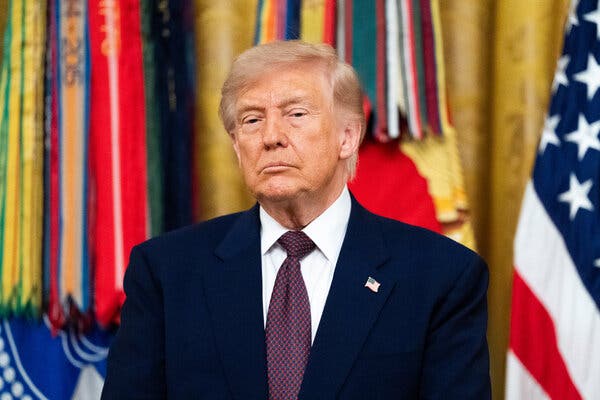
The United States, Mexico, and Canada are facing a critical deadline concerning the U.S.-Mexico-Canada Agreement (USMCA) on July 1, a date that may significantly impact the future of North American trade. These discussions are pivotal to the continuation or potential alteration of this trade pact.
Background of the USMCA
Originally signed by President Trump during his first term, the USMCA was meant to replace the 1992 North American Free Trade Agreement (NAFTA). President Trump had been a vocal critic of NAFTA, labeling it as a poor trade deal. The USMCA retained much of the original framework but introduced updates such as provisions for digital technology, enhanced labor standards, stricter rules for automakers to manufacture a larger portion of their vehicles in North America, and improved access to Canada’s dairy market for imports.
Current Negotiation Status
On July 1, 2020, the agreement went into effect, and its text mandates a joint review by the three countries six years later. As the deadline arrives, the United States, Mexico, and Canada are beginning crucial virtual discussions. Last month, both Mexico and Canada expressed their willingness to extend the agreement for an additional 16 years. However, President Trump has hinted multiple times at the possibility of withdrawing from the pact, causing concern among trade partners.
Implications of Changes
The potential termination of the USMCA has received criticism despite the integrated nature of industries like automotive and agriculture across North America, which have benefited from the pact. Experts warn that ending the agreement could cause disruptions for both businesses and workers.
The nations have much at stake, and reaching a consensus on how to adapt the trade deal remains a significant challenge.
 President Trump’s Demands for DOJ Probe on Democrats
 Democrats Consider Sweeping Changes After Midterm Gains
 Trump Questions Midterm Vote Totals Amid Election Losses
 Paraguay’s Political Crisis: Former President’s Ouster and Bank Collapse
 Stephen Miller Named New White House Chief of Staff, Causing Democratic Outrage
 Latino Voter Shift and Democratic Gains in Midterms