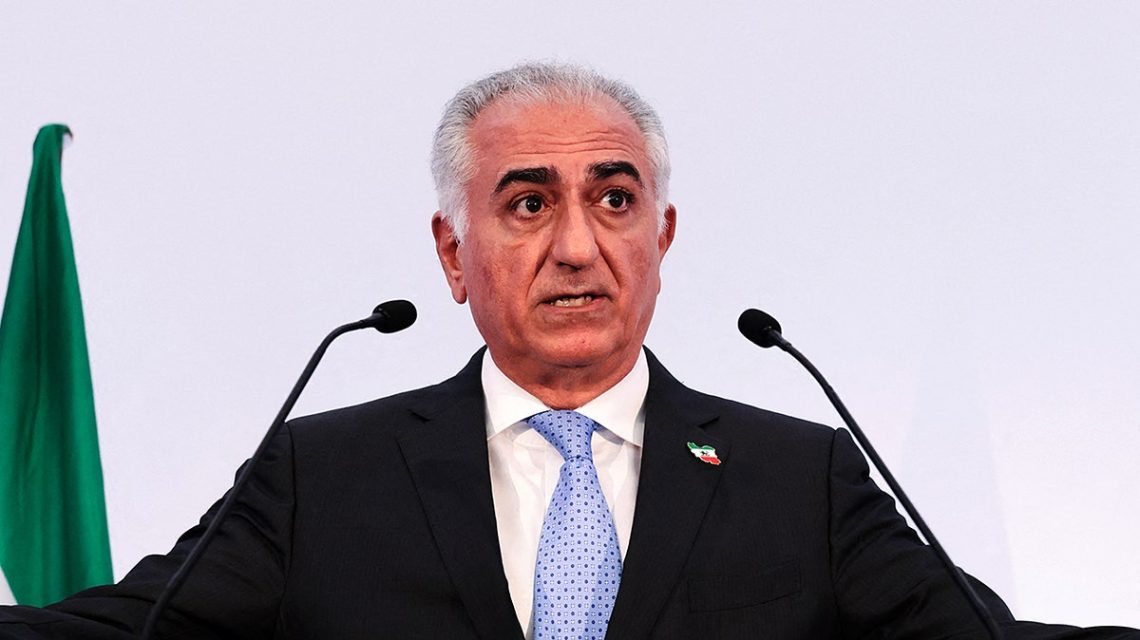
The focus of the discourse on Iran after six months of conflict is shifting. The main question now involves political leadership rather than military capabilities or how long the conflict might last. Key figures in contention for governing Iran include Mojtaba Khamenei, who is at the system’s apex, Masoud Pezeshkian, the president with limited sovereign power, and the Islamic Revolutionary Guard Corps (IRGC), which has amassed significant power over decades.
Iran seems to be evolving from a Shiite theocracy into a militarized dictatorship, where clerical authority serves the interests of military power. The regime promised salvation in 1979 but delivered repression. Politically, Iran backed international terrorism and proxy warfare while suppressing its populace.
While experts discuss Iran’s hidden power dynamics, the regime now seems more focused on survival. War suppresses dissent, branding opposition as treason. Washington should recognize the regime’s deception: Iran is not the same as the Islamic Republic.
The regime’s economic decline can’t solely be attributed to sanctions. Failure stems from corrupt practices, ideological pursuits, decaying institutions, and prioritizing repression over economic well-being.
While economic pressures persist, the underlying issue is a growing divide between a progressive society and a regime rooted in past fears. This raises the possibility of another uprising as public discontent grows untenable.
Iran may prefer confrontation with the U.S. to suppress internal dissent, as a human rights activist warns.
Transitioning to democracy wouldn’t be simple. The Islamic Republic spent years dismantling necessary institutions. Iranians must determine their future governance model without interference from foreign powers.
Crown Prince Reza Pahlavi stands out among opposition leaders due to his advocacy for democratic change and secular governance. However, Iran’s future must be decided by its citizens, ensuring regime change restores democratic choice.
U.S. policy towards Iran has varied between conflict and attempts at negotiation. Strategic diplomacy is needed, distinguishing tactical talks from genuine transformation. Tehran employs pressure tactics alongside diplomacy, maintaining its methods of asymmetric warfare. U.S. national security concerns should remain bipartisan. Political calendars must not dictate foreign policy, especially considering Iran’s global threats.
Historical lessons teach the importance of preparing for future changes beyond the Islamic Republic. Broader regional security cooperation involving the U.S., Israel, and Arab states prepares for a stable transition in Iran, focusing on cooperation against proxy threats.
Any regional strategy should begin with recognizing Iran’s internal dynamics. The transition demands understanding credible democratic actors and preserving Iran’s territorial integrity before regime collapse. China’s dual approach toward Tehran highlights a need for consistent policies that address core issues beyond symptoms.
The broader strategic dilemma involves confronting the underlying issues born from the 1979 revolution. Future policies should focus on facilitating Iran’s return to democratic governance.
Iran’s transition will demand careful planning and acknowledgment of its citizens’ aspirations for a modern national identity. The world needs to be proactive in understanding Iran’s evolving political landscape for effective international relations.
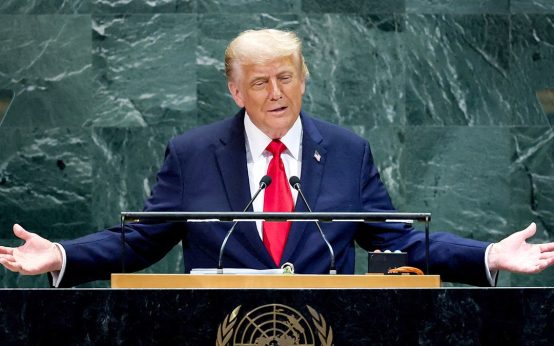 Diplomatic Complexities at the United Nations General Assembly
 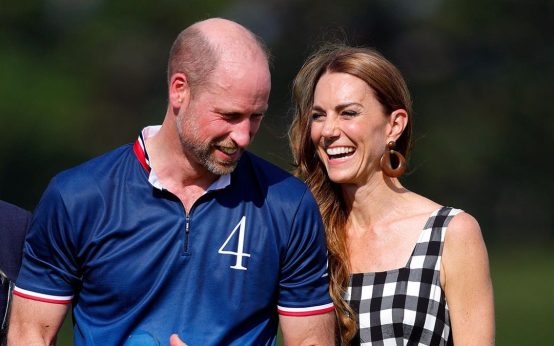 Kate Middleton: The Monarchy’s Brightest Star
 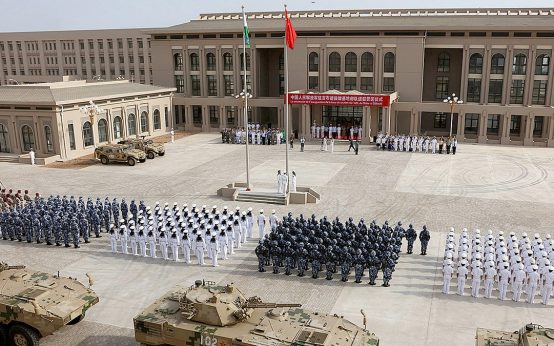 China’s Surveillance in the Red Sea Raises Concerns
  Prince Harry’s London Charity Event Amid Media Spotlight
  Converse Apologizes for Controversial Ad Sparked by Allegations of Racism
  Roman Empire’s Road Network Study Challenges ‘All Roads Lead to Rome’