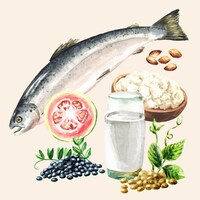
In recent years, protein has become a topic of significant discussion and, at times, confusion. Everyone seems to be talking about protein, from gym enthusiasts who advocate for consuming more to companies that market protein-rich products like specialty coffees and snacks. However, do you need as much protein as the hype suggests? Protein is certainly a vital part of our diet, belonging to the macronutrient family with fats and carbohydrates.
Protein comprises amino acids, and the body uses these to build muscles and produce hormones, enzymes, antibodies for fighting infections, neurotransmitters, and more. But understanding your body’s actual protein requirements can sometimes be confusing. Many myths surround this essential nutrient, making it hard for some to determine their actual needs.
Importance of Protein
The necessity of protein in the diet is unquestionable. But how much should you consume? Here are some key points to consider:
- Protein is crucial for muscle development and repair.
- It aids in the synthesis of hormones and enzymes that facilitate various bodily functions.
- It supports the immune system by producing infection-fighting antibodies.
Effects of Protein Intake
Getting the right amount of protein is essential for maintaining your health. But when it comes to protein, balance is everything:
- Excessive protein consumption can lead to health issues, such as kidney strain, as the kidneys work harder to eliminate the byproducts of protein metabolism.
- Insufficient protein intake may result in muscle weakness and fatigue, as well as impaired body function since the body lacks the necessary building blocks for repair and growth.
When to Focus on Protein
Certain life stages and situations might necessitate a closer focus on protein intake:
- Periods of growth, such as adolescence, often require increased protein.
- Pregnancy and lactation may demand higher protein levels to support the health of both mother and baby.
- Aging individuals might need more protein to maintain muscle mass and support overall health.
Evaluating Protein Sources
Choosing the right protein sources is critical. Plant-based proteins and animal proteins can both fit into a balanced diet, though their protein content varies:
- Peanut butter is not the top plant-based protein source; legumes like lentils and beans often provide more protein.
- Lean meats like chicken breast tend to offer more protein per serving compared to other meats.
- Fruits typically contain minimal protein, with some like guavas being exceptions due to their slightly higher content.
Understanding your protein requirements and choosing healthy sources can help support your overall health and wellbeing. Balancing your intake with your body’s needs, rather than following trends, ensures you enjoy the benefits without the drawbacks associated with excess or deficiency.
 President Trump to Discuss Health Alert with Putin Amid Pneumonic Plague Concerns in Siberia
  Barriers in Affording GLP-1s in America
  Rising Support for Medicare for All in the United States
  Controversial Death in Russia Sparks Concerns
  10 Key Principles for Healthy Longevity
  Russian Scientist’s Death Raises Concerns Over Plague Exposure