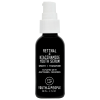
Retinal, short for retinaldehyde, is gaining attention for its potency in skincare. It belongs to the retinoid family, which includes retinol, renowned for improving skin health. Retinal promises quicker results in refining skin texture, reducing breakouts, and diminishing fine lines. Dr. Gloria Lin, a dermatologist, emphasizes its efficacy in tackling acne, wrinkles, and hyperpigmentation.
Retinal vs. Retinol: Key Differences
The effectiveness of retinal surpasses retinol due to its chemical structure. Retinol converts to retinal before becoming retinoic acid, the active form that delivers skincare benefits. This additional conversion weakens retinol’s effectiveness. In contrast, retinal requires only one conversion, often leading to faster results.
Top Picks for Retinal Products
Your choice of retinal product should match your skin type and experience level. Experts recommend the following:
- Best Overall: A fragrance-free serum containing 0.15% retinal, niacinamide, and ceramides to nourish the skin.
- Best Budget Pick: An overnight serum featuring two retinoids: 1% granactive retinoid and 0.06% retinal, with hyaluronic acid for hydration.
- Best for Beginners: A gentle 0.05% retinal serum with a cream texture for easy application.
- Most Versatile: A night cream with encapsulated retinal, antioxidants, peptides, and botanical oils for hydration and skin renewal.
- Editor’s Pick: Combines retinaldehyde with alpha hydroxy acids for combating fine lines and dark spots.
- Best Splurge: A night serum targeting fine lines with soothing complexes for hydration.
- Most Gentle: A Korean serum with 0.1% retinal, ceramides, and ectoin to prevent retinoid-induced inflammation.
- Best for Mature Skin: A serum with encapsulated retinal and botanical extracts for improving saggy skin.
- Best for Dull Skin: A retinal serum to enhance skin brightness, even tone, and texture.
- Best for Acne-Prone Skin: A creamy treatment with retinaldehyde and oils to soothe skin and reduce acne triggers.
Shopping Tips
When purchasing retinal products, consider:
- Concentration: Start with a lower concentration and increase as tolerated, from 0.05% to 0.1% for higher strengths.
- Skin Type: Those with dry or sensitive skin should begin with retinol and transition to retinal if well-tolerated.
- Tolerability: Individual responses vary. Encapsulation can mitigate irritation while preserving retinal stability.
Understanding Retinal
Retinal is a vitamin A derivative, delivering faster results compared to over-the-counter retinoids but less intense than prescription options. It serves as a middle ground for those seeking enhanced benefits.
Benefits of Retinal for Skin
Retinal increases skin cell turnover, minimizing fine lines and wrinkles. It combats acne and hyperpigmentation, offering rejuvenation for those addressing skin aging, breakouts, and uneven tone.
Frequently Asked Questions
How does retinal differ from retinol? Retinal requires fewer conversions to become retinoic acid, offering quicker, more noticeable skin improvements.
Is retinal better tolerated? Research suggests retinal is less irritating than retinol due to fewer conversions in the skin, though individual tolerance can vary.
Consider your skin’s needs and adjust concentrations gradually. Retinal is not advisable during pregnancy and may clash with an extensive skincare regimen.
 Dietitian Advises Caution with Costco’s High-Protein Chef Salad
  Beach Dispute Turns Tragic
  Rising Beef Prices Impact Texas BBQ Shop
  Exploring Your Spiritual Journey: Questions and Insights
  Summer’s Not-So-Great Hits and Other Observations
  Handling Silent Treatment from a Stepson