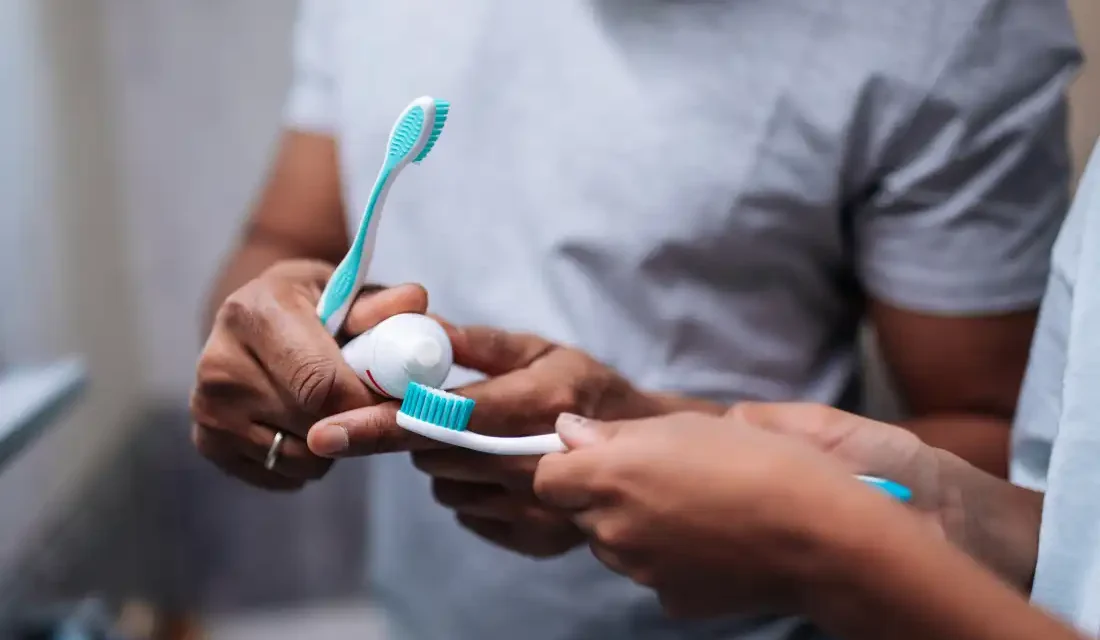
Toothpaste choice is more than personal preference. Recent discussions have centered on fluoride-free options, particularly hydroxyapatite toothpaste. According to Dr. Jin-Ho Phark, an associate professor of clinical dentistry at the Herman Ostrow School of Dentistry, University of Southern California, many patients inquire about these alternatives.
The Rise of Hydroxyapatite
Historically, fluoride became a staple in toothpaste in the late 1950s. It protects teeth from cavity-causing bacteria, as noted by the Centers for Disease Control and Prevention (CDC). Dr. Livia Tenuta, specializing in preventing tooth decay at the University of Michigan School of Dentistry, highlights the link between oral health and overall systemic health.
Patients’ Curiosity
Bennett Amaechi, a professor at the University of Texas at San Antonio, observes growing interest in fluoride-free toothpaste. This stems from public skepticism about fluoride’s safety, fueled by figures like Robert F. Kennedy Jr. Despite this, low levels of fluoride are deemed safe for cavity prevention. The CDC recognizes water fluoridation as a significant public health advance, reducing cavities by 25%.
What is Hydroxyapatite?
Hydroxyapatite resembles tooth enamel, both composed of calcium and phosphate. This similarity might explain the media interest. Some studies suggest it alleviates tooth sensitivity. Unlike fluoride, hydroxyapatite allegedly penetrates enamel pores more effectively. Nonetheless, evidence is limited.
Research Findings
Amaechi has studied hydroxyapatite’s potential. In one study, published in Scientific Reports in 2021, researchers observed no significant difference between children using hydroxyapatite and those using fluoride toothpaste.
Another study, supported by the Dr. Wolff Group, found similar results among adults. The Journal of Investigative and Clinical Dentistry also published a study in 2019, suggesting comparable effectiveness in individuals at higher risk of cavities.
Experts’ Recommendations
Hydroxyapatite toothpaste is often pricier than fluoride options. For most patients, professionals like Amaechi and Tenuta advise using fluoride toothpaste due to its extensive research backing. The American Dental Association acknowledges the potential of hydroxyapatite but emphasizes fluoride’s proven efficacy.
The ADA recommends brushing twice daily with fluoride toothpaste, flossing daily, and regular dental check-ups for optimal oral health.
 Caffeine Consumption on an Empty Stomach: Effects and Opinions
 Risks of Contaminated Luggage in Sleeping Areas
 Risks Associated with Testosterone Therapy in Postmenopausal Women
 Sen. Chris Murphy’s Stroke Highlights Importance of Recognizing Symptoms
 Exploring the Health Benefits of Walking
 ACA Open Enrollment for 2027: Key Changes and Implications