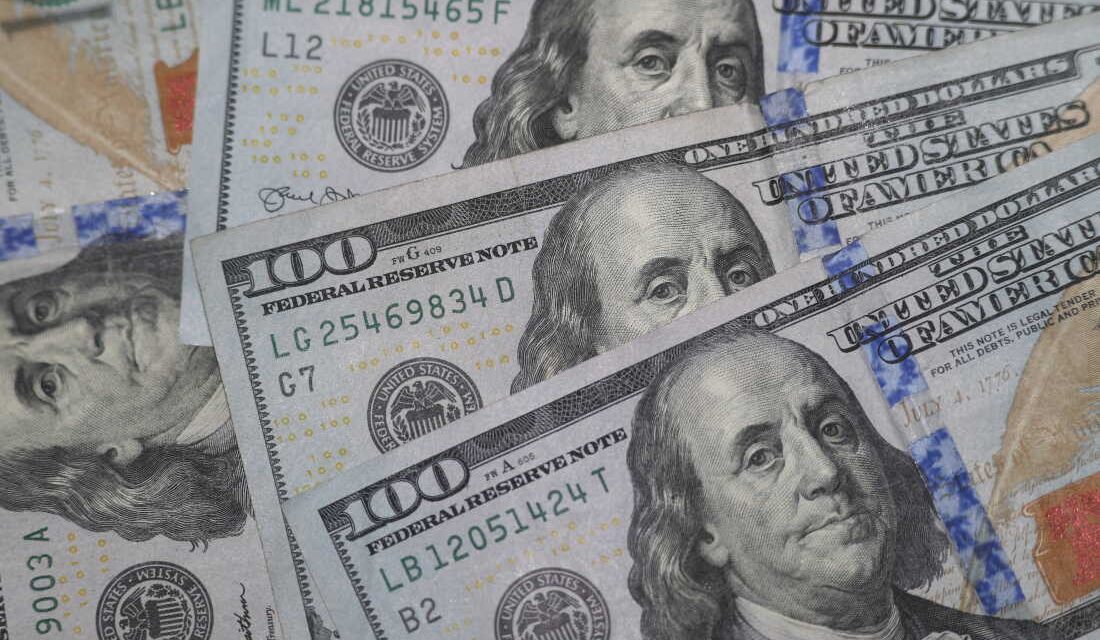
The Federal Reserve’s Role in the Economy
The Federal Reserve, commonly known as the Fed, plays a crucial role in managing the U.S. economy. Its primary responsibilities include ensuring stable prices and promoting maximum employment. Stable prices mean maintaining inflation at a balanced rate, while maximum employment involves fostering a robust labor market where job seekers can find work.
Sometimes, the economy aligns perfectly with both objectives, achieving just the right inflation rate and a steadily growing labor market. However, more often, the Fed must prioritize one goal over the other, particularly when faced with challenging economic conditions.
How Interest Rates Influence the Economy
Interest rates are a pivotal tool for the Fed. When inflation is high, the Fed raises interest rates, as recently done, to curb excessive price increases. This action indirectly impacts borrowing costs across the economy. For instance, hikes in the Fed’s rates tend to lead to higher costs for mortgages and credit card debts.
Higher interest rates aim to slow down spending by making borrowing more expensive. Individuals and businesses may reconsider large purchases or loans due to increased costs, thereby moderating inflation.
Conversely, when the Fed wants to boost economic activity, it lowers interest rates. During the Covid-19 pandemic, the Fed reduced rates to near zero, encouraging spending and preventing widespread job losses.
Rationale Behind Current Interest Rate Hike
The current decision to raise interest rates stems from persistent inflation exceeding the Fed’s 2% target over the past five years. Fed Chair Kevin Warsh emphasizes the necessity of this move, citing the robust economic conditions as an opportunity to absorb the rate increase.
Despite inflation and higher borrowing costs, consumer spending and the job market remain resilient, supporting the Fed’s strategy.
Impact on Borrowing and Economic Landscape
The recent rate hike is modest but influential, as borrowing costs have already been increasing. Freddie Mac reported a rise in the average 30-year fixed mortgage rate to 6.95%, affecting home loan expenses. Even minor increases in rates translate into significant monthly loan increments.
Kara Ng from Zillow compares the situation to a scene from “The Godfather,” implying that external forces continually hinder progress in the housing market.
Similarly, carrying a balance on credit cards or using ‘Buy Now Pay Later’ schemes becomes slightly more costly, although less impactful than mortgage changes.
The Fed’s strategy involves short-term economic strain, hoping that it will lead to inflation control, providing long-term benefits.
Future Outlook
The effectiveness of the Fed’s actions will depend on various factors, including geopolitical events like Middle East tensions influencing energy prices. Inflation relief might be gradual, as the Fed plans another rate hike this year and expects stability by 2027.
Households must prepare for continued high prices until significant economic improvements are realized.
 Federal Appeals Court Decision Against Trump’s ‘Third-Country’ Deportation Policy
  President Trump’s Controversial Ban on Media Outlets Sparks Press Freedom Concerns
  UMass Dartmouth Football Player Killed in Providence Stabbing Incident
  U.S. Security Agreement in Greenland Sparks Optimism and Concerns
  Cook County’s Property Tax Bridge Loans
  A Controversial Stance on Immigration Policies Sparks Debate in South Carolina