Introduction to Cyclone Naming
The U.S. hurricane season is beginning, and the naming of tropical cyclones in the Pacific region is progressing rapidly. Naming storms is a systematic practice managed by the World Meteorological Organization (WMO). Assigning names to tropical storms aids in quickly communicating warnings and raising public awareness.
The Purpose of Naming
Naming storms serves multiple purposes. It prevents confusion when multiple storms occur simultaneously and aids in research and record-keeping. Historically, names have provided not only identification but also served to tell stories. Whether it’s military operations, diseases, or storms, naming can signify meaning and importance.
How Cyclones Are Named
Tropical storms follow pre-arranged alphabetical lists, decided by regional cyclone bodies. These lists can be recycled or renewed annually, beginning at ‘A.’ Some regions, like the Atlantic, avoid names starting with Q, U, X, Y, and Z due to a lack of suitable examples. Until 1979, the U.S. used only female names for hurricanes but now alternates between male and female names. For example, in the Eastern North Pacific, Amanda will be succeeded by Boris.
Evolution of Military Operation Names
Military operation names have evolved significantly over time. British Prime Minister Winston Churchill influenced military naming practices during World War II. Churchill insisted that operation names should not imply boastfulness or frivolity in a memo reflecting on World War II planning code names.
U.S. operations chose more evocative names post-Korean War era, while U.K. code names are generated automatically today. Examples include the U.S. naming the Gulf War military response as ‘Operation Desert Storm,’ while Britain termed it ‘Operation Granby.’ Modern operation names can influence public perception and legitimacy, as seen with names like ‘Operation Just Cause’ during the invasion of Panama.
Recent Trends in Naming Practices
Recent years show a trend toward more colorful operation names, such as ‘Operation Epic Fury’ during the U.S. conflict with Iran. Controversially themed names, such as immigration raid names ‘Catahoula Crunch’ and ‘Operation Dirtbag,’ illustrate this shift. Names can convey purpose, maintain coalition legitimacy, and provide shorthand identities for missions. However, names can also have unintended negative impacts, so care is mandatory.
The Impact of Weather Names
Names of significant storms can be retired if they cause extensive damage or loss of life, as with Hurricane Sandy. This practice highlights the importance of clarity and ease of pronunciation, focusing on names that roll off the tongue smoothly.
Evolving Practices in Naming Events
Naming practices have adapted over time. Diseases were historically named after discoverers or locations, but the World Health Organization now advises against such practices, acknowledging how names can create lasting associations. There is potential for crowdsourcing names in future, as done in Britain and Ireland, allowing the public to suggest names for storms.
Further research into the impacts of naming is needed as climate change leads to more extreme weather events. Effective communication of storm names can be crucial in reducing harm and improving public preparedness.
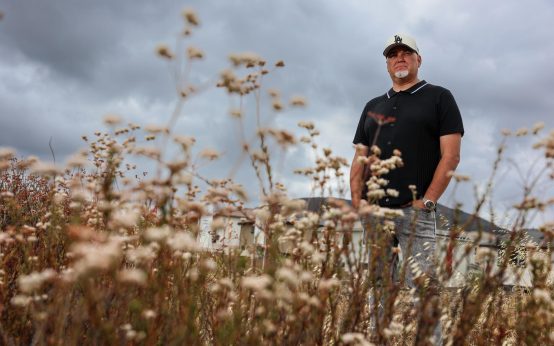 Challenges in California’s Home Insurance Market
 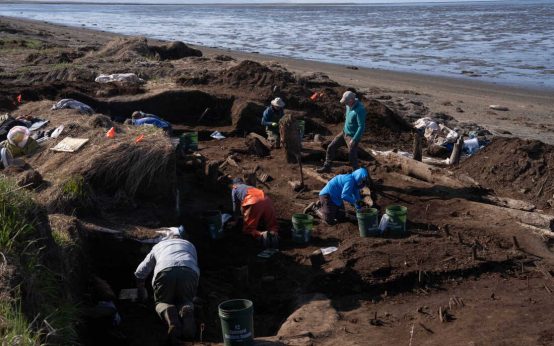 Race Against Time: Preserving Quinhagak’s Archaeological Heritage
 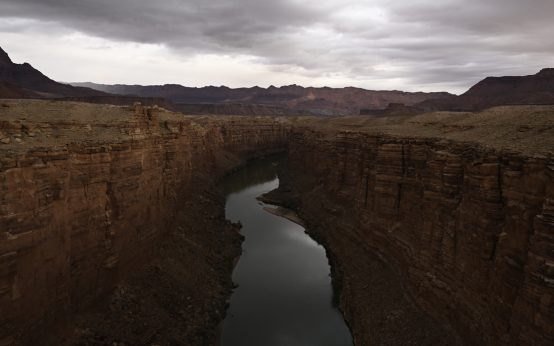 Managing Drying Rivers: The Need for New Approaches
 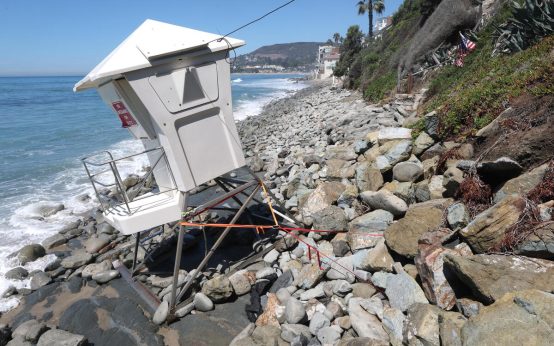 Coastal Damage from Kelvin Waves and Rising Sea Levels in Southern California
  Heat Dome Tightens Over South-Central US with Triple-Digit Temperatures
 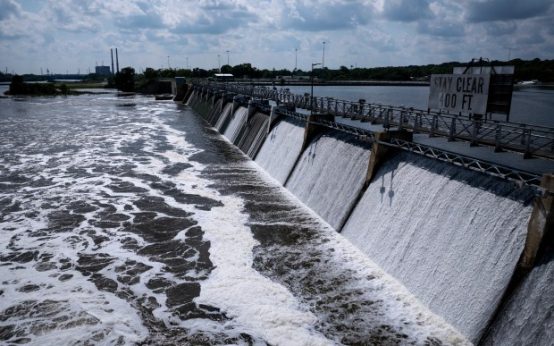 Army Corps Resumes Construction on Brandon Road Lock and Dam Project