
In March, President Donald Trump declared that the United States had already emerged victorious in its conflict with Iran, yet he insisted that completing the task was necessary. Despite his optimistic claim, the situation has proved more complex. As the conflict continues to escalate across the region, diplomatic efforts have come to a halt. The war remains incomplete, with no resolution in sight.
Experts in foreign policy have critiqued this approach, arguing that the United States has not succeeded in meeting its primary strategic objectives in the region. This ongoing conflict highlights the challenges and limitations faced by the U.S. in achieving its goals.
“It’s irrefutable that the U.S. failed in its main strategic goals,” an expert noted.
The war has drawn increased attention to the complexities of international diplomacy and military engagement. With tensions continuing to rise, questions linger about the direction and outcome of U.S. involvement in Iran.
President Trump’s recent attendance at a dinner in the White House’s Rose Garden brought these issues back to the forefront, as discussions about the ongoing situation in Iran remain a pressing topic on the global stage.
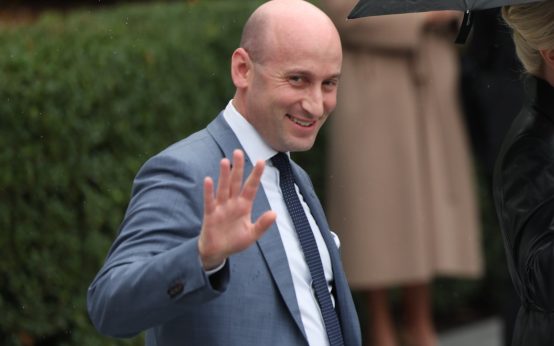 Stephen Miller’s New Role as Trump’s Chief of Staff
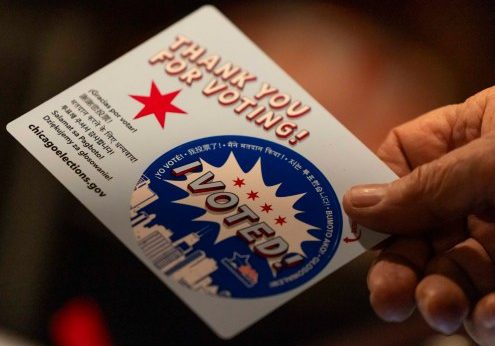 Mike Bost Secures Reelection in Illinois’ 12th District
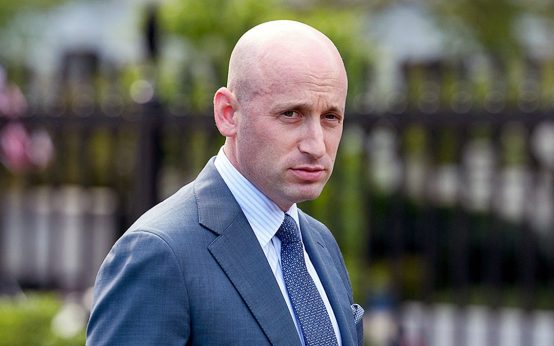 Controversy Surrounds Trump’s Decision to Appoint Stephen Miller as Chief of Staff
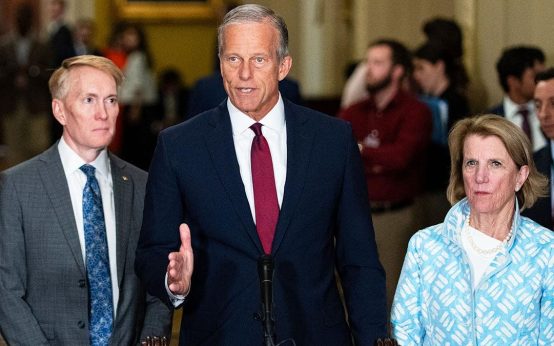 Judicial Confirmations Before Senate Transition
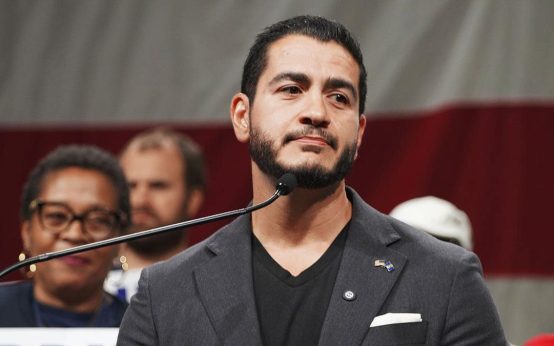 Abdul El-Sayed Reflects on Election and Communication Strategy
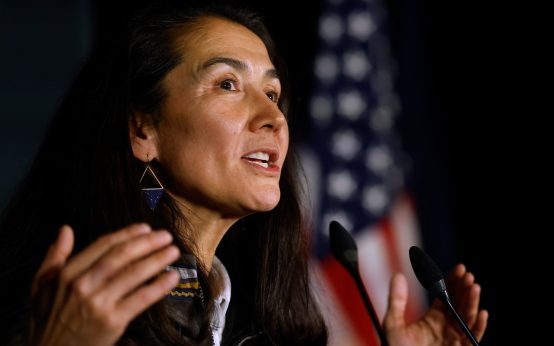 Contentious Senate Races: Alaska and Mississippi Updates