
The United States has issued renewed security warnings to Americans in the Middle East as Iran-backed Houthi militants escalate attacks on Saudi Arabia. This follows an attack on Riyadh’s international airport on October 10, resulting in the death of an American citizen.
U.S. embassies located in Saudi Arabia, Bahrain, Qatar, the United Arab Emirates, and other nations advised Americans to remain vigilant due to the potential for hostilities to expand beyond currently affected areas without warning. They urged Americans to prepare for possible disruptions such as flight cancellations and airspace closures.
We are actively warning U.S. citizens about the very real threat the Houthis pose and urging them to heed official guidance,
said Edgar Vasquez, Deputy Assistant Secretary for Press at the State Department. He emphasized that the safety of American citizens is the department’s top priority.
Since the U.S. and Israel’s conflict with Iran commenced in February, the State Department has imposed restrictions on diplomatic operations in numerous regions. These measures are intended to be temporary, allowing embassies to adjust staffing as security conditions change.
Under the longstanding ‘no double standard’ policy, embassies are mandated to share security threat alerts with private American citizens when similar risks concern U.S. diplomatic personnel.
The Houthi attacks have targeted Saudi Arabia’s key locations, including repeated strikes on Riyadh’s King Khalid International Airport and Saudi Aramco oil facilities. The violence on October 10 left 13 dead and over 300 wounded, per Saudi reports. Saudi-led coalition forces intercepted further Houthi threats on Tuesday, including a ballistic missile aimed at Riyadh and a drone near the capital.
The escalating tensions cast doubt on the effectiveness of the Trump administration’s strategy for the conflict. Despite intelligence and targeting aid to Saudi Arabia, President Trump has refrained from committing to military intervention, even though Crown Prince Mohammed bin Salman requested direct involvement. Trump indicated potential participation in airstrikes without committing fully.
We may,
said Trump following the October 10 attack, adding, We’re going to look at it.
The Houthis continue territorial expansions in Yemen, where recent conflicts include the killing of two teenage girls in Taiz and a strike on a government military camp leading to 73 deaths and over 200 injuries. Ambassador Marwan Ali Noman, Yemen’s political adviser, emphasized to CBS News that Houthis would continue advancing unless countered. He advocated broader U.S. and international support, highlighting needs for intelligence, air defenses, and coast guard assistance, without requesting ground troops.
Yemen’s requests emerge as the Trump administration navigates competing calls for air defense weaponry. Secretary of State Marco Rubio acknowledged in India that demand for American-manufactured missile interceptors is high among countries like Saudi Arabia, Israel, and Ukraine.
Every country in the world would like interceptors,
Rubio stated, noting the significant demand within defense sectors.
 Efforts to Free American Teacher Detained in Russia
 U.S. Efforts to Release American Detained in Russia and Shifts in Southern Senate Races
 British Police Rearrest Suspects Linked to Alleged Iranian Plot
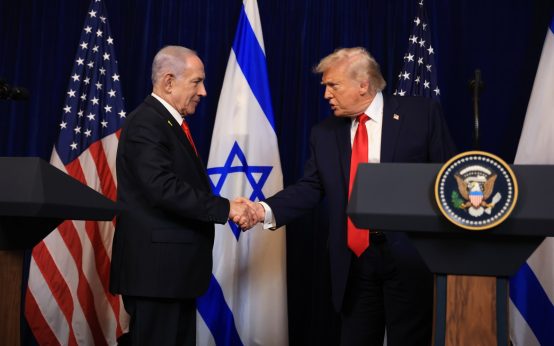 Trump’s Influence on Israeli Politics Amidst Netanyahu’s Election Battle
 Canadian Man Faces Prison After Incident Involving Flamingo
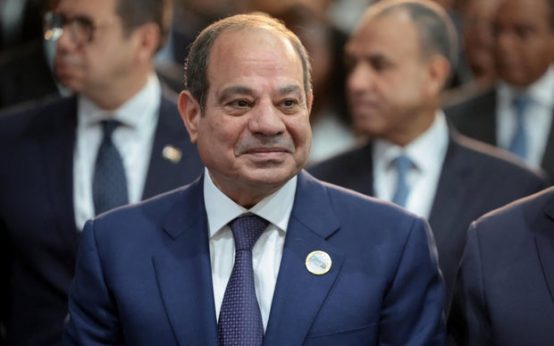 Egypt Considers Military Support for Saudi Arabia Amid Houthi Threats