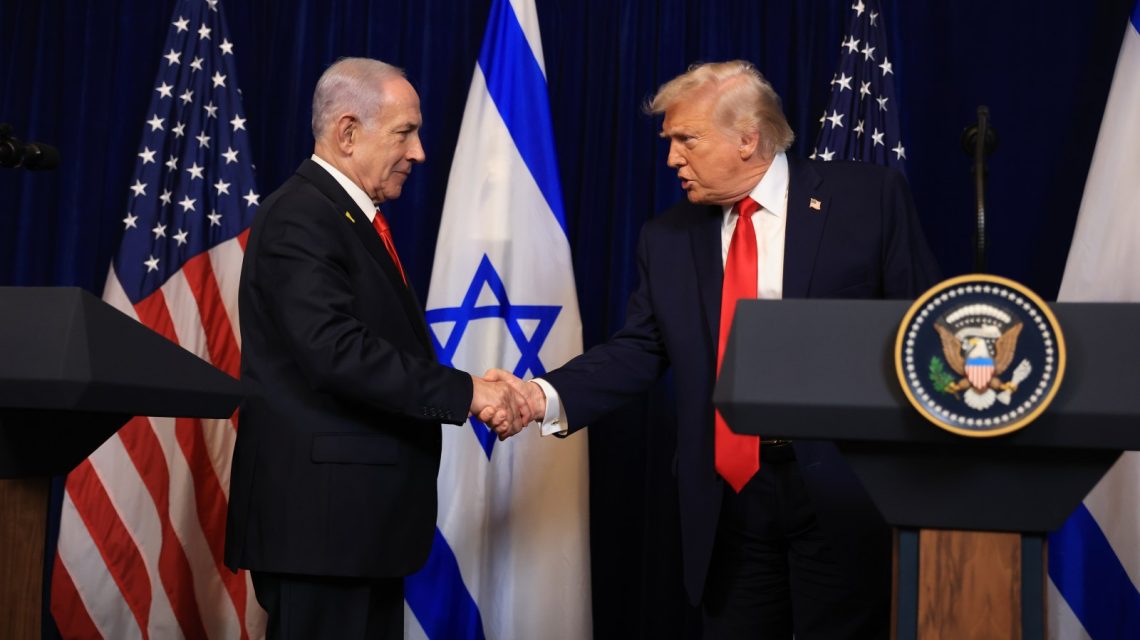
Donald Trump has endorsed Israeli Prime Minister Benjamin Netanyahu a week before a key election. This decision could shape Israel’s political future, potentially affecting its status as a liberal democracy. Israeli voters should note that Trump might not accept Netanyahu’s defeat, even if they vote for change.
On Sunday, Trump praised Netanyahu as a formidable leader and a vital partner against Iran. He suggested that without Netanyahu, the U.S. might face Iran alone. Trump’s popularity in Israel stems from recognizing Jerusalem as its capital and supporting Israeli interests internationally.
However, supporting Netanyahu differs from supporting Israel. Trump’s pattern of interfering in foreign elections, like in Poland and Hungary, highlights his admiration for leaders who claim to be the nation’s true voice while sidelining opponents and legal constraints. Netanyahu fits this mold.
Netanyahu’s coalition has weakened democratic checks, while his political record includes security failures and economic challenges. The October 7, 2023, security lapse against Hamas remains unresolved. Furthermore, his coalition partners, including ultra-Orthodox and far-right parties, pose economic and social threats.
The ultra-Orthodox parties seek military exemptions and lack educational advancement in key fields, risking economic instability as their population grows. The far-right calls for aggressive settlement expansion, damaging Israel’s international standing and relationships.
Netanyahu’s coalition is losing support, with opposing parties potentially gaining a majority in the Knesset. Forming a government would demand compromise, but Trump’s influence could alter this balance of power. Trump’s precedent of pressuring allied democracies raises concerns about his potential role in Israeli politics.
A scenario where Trump negotiates Saudi normalization in exchange for Netanyahu’s continued leadership could emerge, challenging conventional diplomatic norms. In such a scenario, Netanyahu might retain power, with international diplomacy reshaping alliances and regional dynamics.
Ultimately, Israelis must discern between gratitude toward Trump and acquiescence to his influence. The election outcome should belong to Israelis, ensuring their leadership reflects their democratic will without succumbing to external pressure.
The insights presented here are based on Dan Perry’s perspective, a former AP editor with extensive regional experience.
 Canadian Man Faces Prison After Incident Involving Flamingo
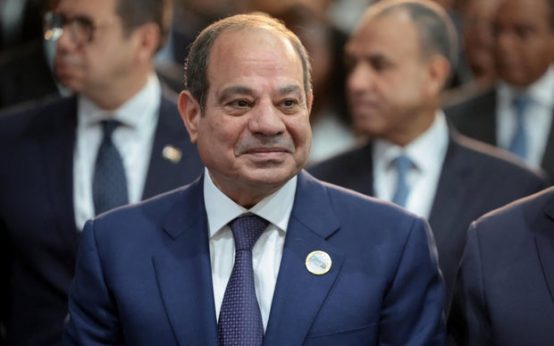 Egypt Considers Military Support for Saudi Arabia Amid Houthi Threats
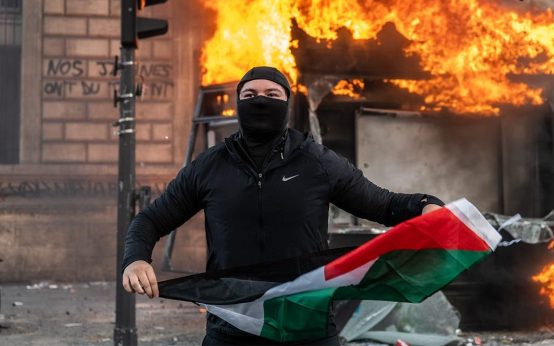 France Uses Curfews to Address Violent Riots
 Kremlin Expects Diminishing Western Support for Ukraine Amid U.S.-Russia Alignment
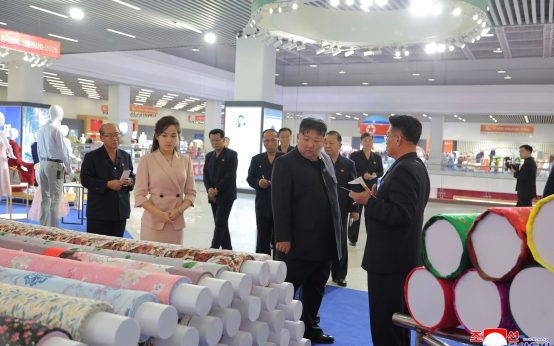 Kim Jong Un Appears in Public Amid Death Rumors
 Zelenskyy Urges U.S. for Interceptor Missiles Amid Heightened Tensions