
Utility companies have historically been granted legal permission by courts to seize private property for constructing transmission lines. This process is known as eminent domain. The primary objective of eminent domain is to enable utilities to deliver electricity to a broad user base efficiently.
However, questions are arising about whether this practice should apply when the electricity generated primarily serves a single entity, such as a data center. In recent times, the U.S. has seen a significant increase in the construction of data centers. According to an analysis by the Pew Research Center, the country currently hosts over 3,000 data centers, with approximately 1,500 more in development.
“The artificial intelligence boom is mirrored by data center expansion,” experts state.
This surge in data center construction underscores the growing demand for computational power and storage. While these facilities play a crucial role in supporting advancements in technology, debates continue about the implications of using eminent domain for such focused purposes.
Historically, eminent domain for utilities has been justified by the public benefit derived from widespread access to electricity. Advocates argue that even if a transmission line serves only a data center, the center’s operations can indirectly benefit the public through enhanced technological capabilities. On the contrary, opponents contest the fairness of property seizure for projects serving a narrow commercial interest.
The discussion evolves as court rulings adapt to these new circumstances, considering both legal precedents and the emerging realities of modern infrastructure needs.
 Former Chicago Bulls Guard Jevon Carter Sells West Town Home
  Beijing’s Tactical Undermining of U.S. Supremacy Through AI
 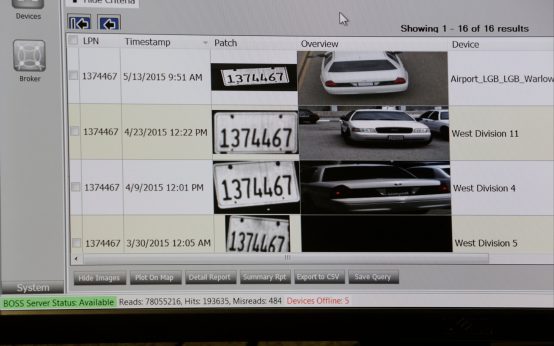 Controversy Surrounds Automated License Plate Readers Across the U.S.
  Trump and Harp Sued Over Truth Social Subscriber Program
  Implications of AI in College Admissions
  Congressional Inaction Amid AI Concerns