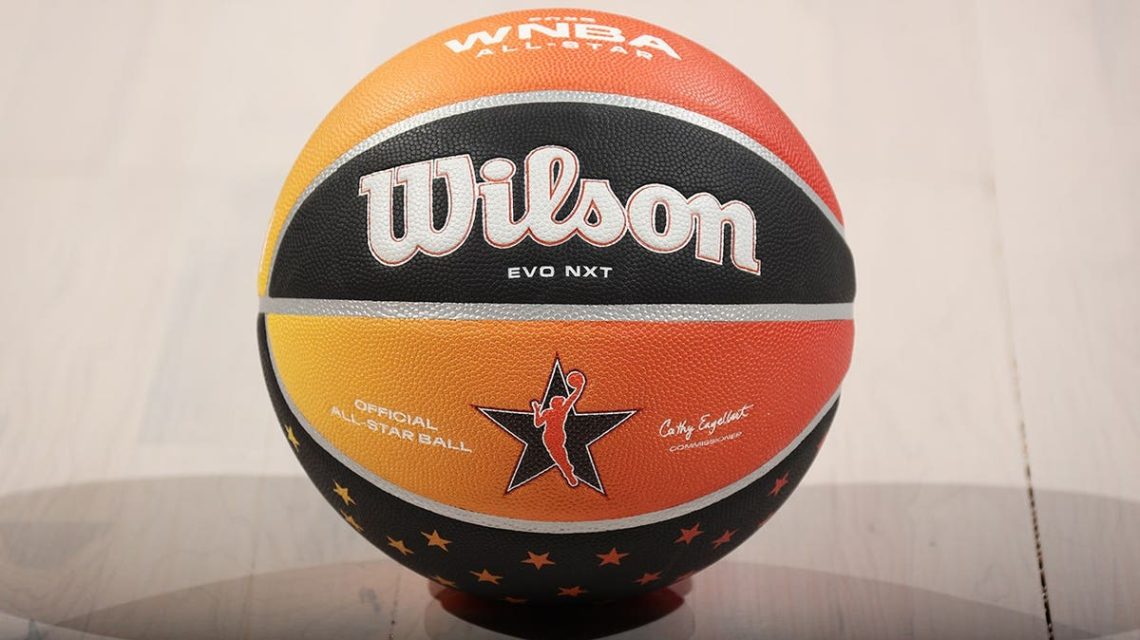
The WNBA finds itself in a situation where its growing popularity, driven by stars like Caitlin Clark and Sophie Cunningham, is both celebrated and questioned. On ‘The Riley Gaines Show,’ Riley discusses the league’s handling of players’ intense and competitive nature, questioning if the WNBA can truly embrace star athletes who are unapologetically themselves.
A focal point has been the league’s decision regarding the USA 250 patches during the All-Star Game in Chicago. Despite earlier reports that these patches would appear on uniforms, they were absent, sparking curiosity and concern. The WNBA released a statement praising veterans and military families’ contributions but avoided explaining why the patches were dropped.
“Veterans and military families have long been part of the WNBA community—as players, fans, and league, team, and arena staff. Through All-Star Weekend in Chicago, the league recognized their contributions and helped create meaningful experiences in celebration of this historic milestone.”
The statement did not address whether public criticism or internal objections influenced the decision. Notably, Brianna Turner publicly criticized the idea of the patch, causing some to speculate if this played a role. The WNBA Players Association (WNBPA) stated it did not formally request the removal, leaving questions about who made the final call.
The patches were part of a national initiative, supported by major sports organizations like the NFL and NBA. WNBA’s initial intent to include the patches seemingly changed after Turner pointed out historical insensitivity. She noted that 250 years ago, WNBA players, assuming they existed back then, would not have enjoyed the same freedoms they do now.
Despite the controversy, the league honored America 250 in other ways during the All-Star Weekend. This included arena signage and tributes to veterans, indicating the league’s intent to commemorate without stirring conflict.
Conversations between player leadership and the league were reportedly limited to inquiries rather than active decisions. The WNBPA emphasized it did not play a significant role in the final outcome. Thus, the public remains unsure why the patches were ultimately removed, with no clear explanations forthcoming from the WNBA.
The league’s decision not to openly confront potential player resistance to the patches might reflect a cautious approach to avoid public disputes. Yet, this still leaves many wondering about the dynamics at play behind the decision-making process. The issue remains an example of the challenges faced by women’s sports leagues in navigating player autonomy, marketability, and public perception.
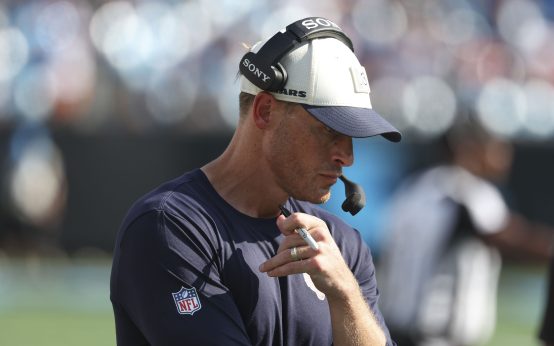 Chicago Bears’ Week 1 Performance Sparks Rams Comparison
 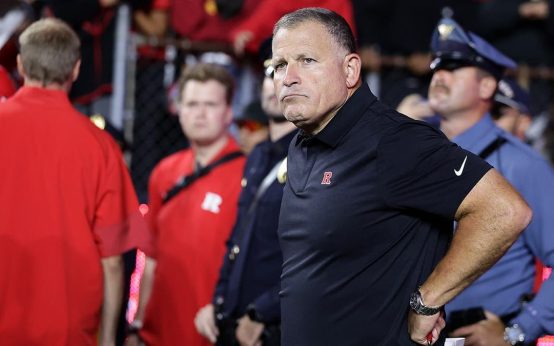 Rutgers Nearly Upsets USC in Thrilling Match
  Ole Miss Triumphs Over LSU in Kiffin’s Return to Oxford
 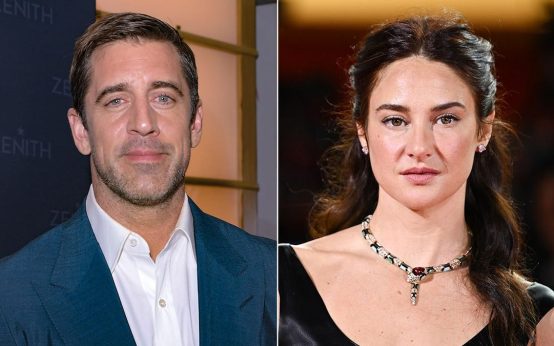 Aaron Rodgers’ Journey Through High-Profile Relationships to a Secret Marriage
 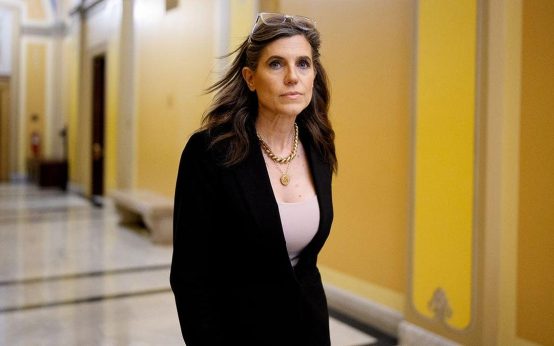 Sunday Highlights: Lane Kiffin, Nancy Mace, and College Football Drama
 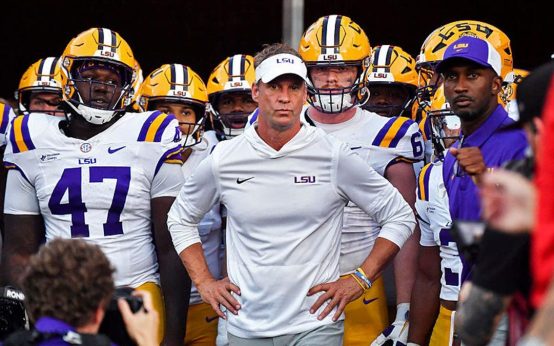 Lane Kiffin’s Return to Ole Miss: Controversy and College Football Drama