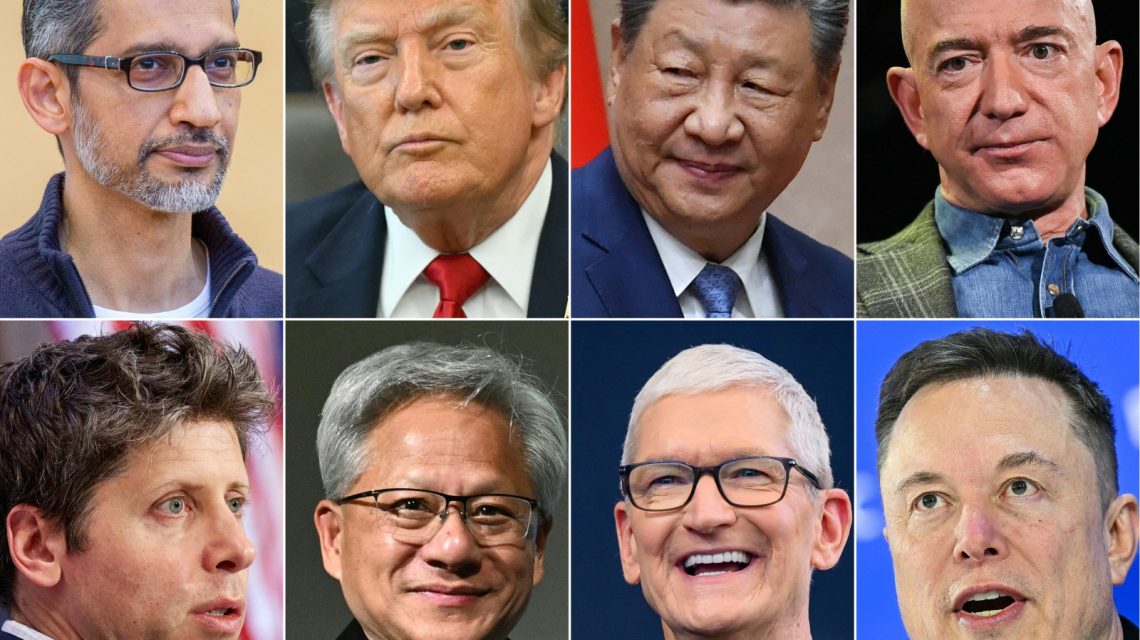
Xi Jinping, China’s long-time leader, is set to visit the United States on Wednesday. This visit comes with the assurance that President Donald Trump is likely to support Xi in securing another term as China’s top political figure. This will be Xi’s first official state visit to Washington, D.C., since 2015 and his first visit with Trump in the U.S. since a prior invitation to Mar-a-Lago in 2017. The timing is crucial as the U.S. faces pressure from allies to manage China’s rising influence.
Aside from ceremonial gestures, Xi aims to reassure China’s ruling elites that Western influence is waning, and Beijing plans to take advantage of this perception without inciting conflict. One of the main opportunities identified by China is the potential to draw Taiwan away from U.S. influence.
Trump has interests in resolving separate conflicts involving China’s allies, Russia and Iran, as well as negotiating trade agreements with Beijing to mitigate political pressure from the upcoming midterm elections.
Equal Footing Ambitions
China, already a significant power, seeks to be recognized on par with the U.S. Xi has strengthened his diplomatic credentials through interactions with leaders like Vladimir Putin, Kim Jong Un, and Masoud Pezeshkian. His U.S. visit starts with a greeting from Trump at Joint Base Andrews and an elaborate ceremony, including an Air Force flyover, showcasing the importance accorded to him.
A state dinner with key U.S. tech firms signifies the attempt to honor Xi and highlight China’s market significance. Xi’s team ensures no protocol breaches, enhancing his domestic and international stature, supporting his foreseeable fourth term prospects during the fall 2027 party congress.
Strategic Balance
Beijing sees the global order shifting favorably and is keen to maintain a strategic stalemate with the U.S. as it closes existing gaps. China’s military modernization advances along with domination in sectors like industrial machinery and electric cars. Its control over rare earth elements halted Trump’s previous tariff wars and now potentially leverage more concessions, such as sanctions relief for oil dealings with Russia and Iran.
“Beijing believes it has subdued the Trump administration with rare earth export controls,” commented Rush Doshi, a former White House official.
AI Collaboration Discussions
The U.S. and China, recognized as leading AI powers, have agreed to talk about AI safety protocols. However, concrete commitments towards slowing AI development remain absent, and past experience suggests China may use collaborative frameworks to negotiate concessions.
Taiwan’s Strategic Importance
Before Trump’s visit to Beijing, the focus was on a $14 billion arms package intended for Taiwan. The sale has been pending as Trump balances a détente with China, offering the postponement of this arms deal to persuade Xi to visit. This is a strategic gain for Beijing, seeking to gradually erode U.S. defense support principles concerning Taiwan.
Xi aims for a legacy that may include Taiwan’s reintegration without conflict, even as he conducts expansive internal purges within China. A recent poll indicates a shift in American public sentiment, viewing China more positively, yet sentiments among Trump’s core supporters remain cautious of China’s growing power.
Although concrete outcomes from this summit are uncertain, Xi’s primary achievement is further recognition of China’s elevated status. Trump and Xi’s prior declaration of a “relationship of strategic stability” acknowledges China’s ascending global position.
 U.S. Military Rights Expanded in Greenland: A New Security Agreement
  Fishing Boat in Florida Nets Unexpected Catch: U.S. Military Drone
  President Trump’s Challenges on the World Stage at the UN General Assembly
  Saudi Arabia Cancels Red Sea International Film Festival Amid Regional Conflict
  Family Seeks Answers After Elderly Woman Dies Through Assisted Dying Program
  Venezuelan Leadership at the United Nations