The U.S. government is investigating two prominent Mexican governors as part of its campaign against officials suspected of ties to organized crime. This move might undermine Mexico’s ruling party, which promised to tackle corruption, and further strain the relationship between the two nations.
Traditionally, U.S. efforts against drug trafficking focused on cartel leaders, leaving sitting politicians largely scrutinized. However, with high-profile drug traffickers either jailed, dead, or turned, attention has shifted to political figures suspected of participating in illegal activities.
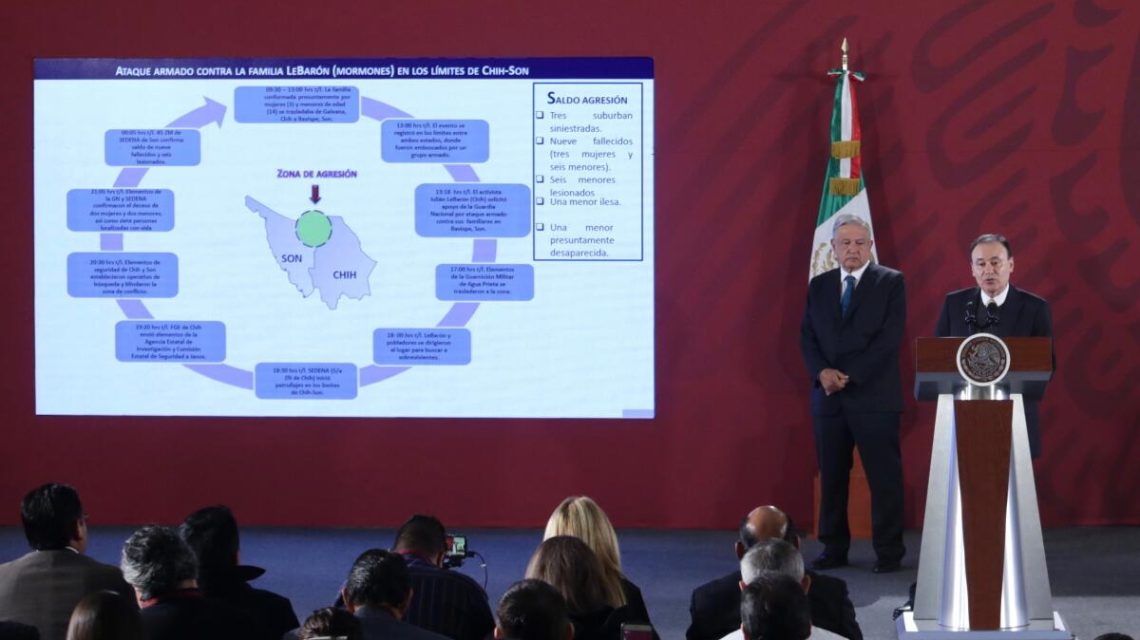
Alfonso Durazo, the governor of Sonora, and Américo Villarreal Anaya, the governor of Tamaulipas, have lost their U.S. visas amid ongoing criminal probes, according to sources. Both governors align with Mexico’s ruling Morena party and are allies of President Claudia Sheinbaum, who has criticized recent U.S. investigations as interference in Mexico’s sovereignty.
In April, the Justice Department charged members of Sheinbaum’s party, including Sinaloa Governor Rubén Rocha Moya, with aiding the Sinaloa cartel in smuggling drugs into the U.S. for bribes and electoral support. Sheinbaum has publicly denounced these charges, questioning the true reasons behind the U.S. investigations.
Actions and Reactions
The U.S. canceled Durazo’s visa, alleging connections to organized crime. However, Durazo denies any investigation into his actions or loss of his visa, emphasizing his honesty.
He described the report as a deliberate political attack on Morena’s progressive agenda and insisted that he holds a valid visa and is not involved with criminal groups or a foreign nation.
Individuals familiar with Durazo’s case revealed that he uses a parole program for medical treatment in the U.S., usually reserved for people providing valuable intelligence. Concurrently, Villarreal’s investigation links to fuel smuggling, a common illegal trade known as huachicol.
In a statement, Villarreal denied any wrongdoing, reaffirming his commitment to transparency and legality.
Political Dynamics
Morenaworries how these allegations may impact its image under Sheinbaum, following López Obrador’s promise to eradicate corruption, even among allies. Although she is pressured to dissociate from figures like Rocha Moya, Sheinbaum opts for unity, refusing U.S. extradition requests for Rocha Moya.
The U.S. ambassador to Mexico, Ronald Johnson, emphasized unity against cartels, criticizing Sheinbaum’s response. He warned against turning the shared security challenge into a divisive political issue.
While Sheinbaum’s administration may prosecute Rocha Moya to demonstrate an anti-corruption stance, the trust in Mexican judicial outcomes remains low. Previous high-profile cases like Gen. Salvador Cienfuegos underscore skepticism, as he was released after U.S. charges only to receive exoneration in Mexico.
Visa Strategy and Political Landscape
The revocation of visas has emerged as a strategic measure. In many cases, these actions remain undisclosed, shifting focus to politicians collaborating with designated terrorist groups like drug cartels.
Not all U.S. law enforcement supports mass visa cancellations, fearing it might obstruct criminal investigations. Sheinbaum rejected U.S. military deployment against cartels in Mexico, standing firmly against compromising Mexican sovereignty.
The political targeting of officials occurs as Sheinbaum prepares for midterm elections in 2027, pivotal for gubernatorial seats and her party’s majority in Congress. The choice of candidates remains critical, as association with corrupt officials could destabilize Morena’s electoral prospects.
Sheinbaum’s public stance against U.S. allegations serves to protect national interests, demanding foreign entities refrain from intruding into Mexican affairs.
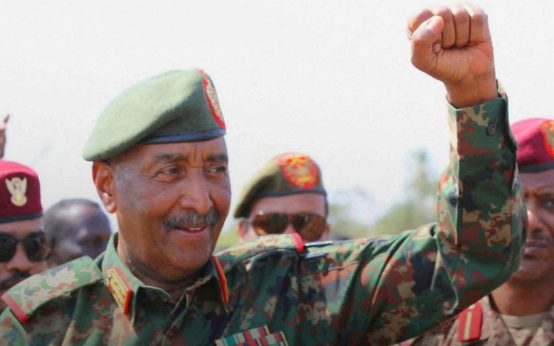 Sudan Defies U.S. Ceasefire Amid Visa Dispute
 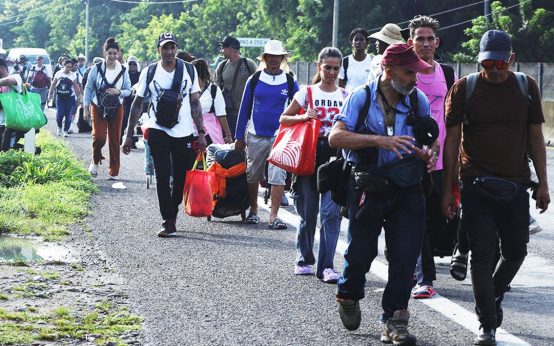 DHS Warns Migrant Caravan Heading to U.S.-Mexico Border
 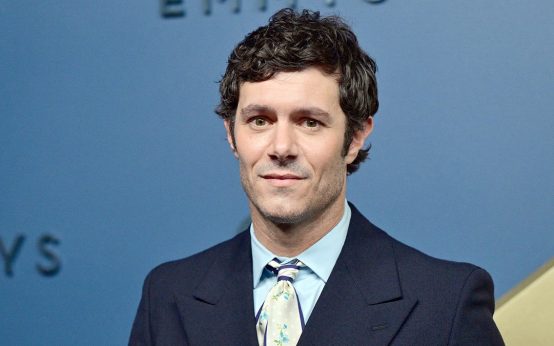 Adam Brody and Hollywood’s Political Climate
 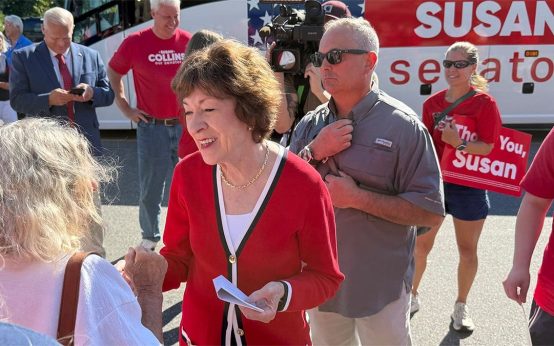 Vandalism at Senator Susan Collins’ Office Amid Election Contest
  Backlash Over Sarah Huckabee Sanders’ Welfare Ad
  International and Domestic Investigations Unfold