
President Donald Trump faces rising pressure over his handling of the Iran conflict. Initially viewed as a brief military operation, the situation has stagnated. Nearly a week has passed since U.S. and Iranian negotiators reached a tentative deal to extend a ceasefire by 60 days to facilitate new nuclear program talks. However, Trump has demanded changes to the agreement, while Iranian officials show little inclination to concede to new terms.
Recent strikes by both the U.S. and Iran have raised concerns about the fragility of the ceasefire. Trump, however, downplays the significance. He remarked to reporters, “It’s a different part of the world… a ceasefire means you’re shooting in a more moderate manner.” The situation comes after Trump’s repeated assertions that a settlement is imminent and that Iran is eager to resolve.
The conflict, which has seen bombings by the U.S. and Israel since April 7, keeps energy prices elevated, causing global economic anxieties. After reports surfaced that Iran was stalling in talks, Trump told CNBC he was unconcerned about the delay, even labeling negotiations as “boring.”
Inside the administration, some worry Trump is becoming isolated. Democrats focus on oil prices, while hawkish supporters fear exiting the conflict could appear as surrender. Others, including Pentagon officials and Gulf allies, advise against further military action, citing depleted ammunition and potential retaliation from Iran.
Trump resists mirrors of past deals. He is against any agreement resembling the 2015 pact negotiated by President Obama, which he criticized for inadequacies regarding Iran’s nuclear developments and regional activities. Trump remains determined not to compromise his legacy with a “bad deal.” White House spokeswoman Anna Kelly dismissed concerns about the pace of the negotiations.
While some advise further economic pressure on Iran, Trump recently demanded Israel stand down its actions in Lebanon. Israel and Lebanon agreed to renew a ceasefire, albeit without Hezbollah’s involvement in the talks.
Meanwhile, the conflict’s status quo seems to favor Iran, according to Behnam Ben Taleblu from the Foundation for Defense of Democracies. He suggests Iran believes prolonging the situation can trap Trump. “Tehran appears more resolute than ever,” Taleblu notes, as they resist changes on both the battlefield and negotiation table.
With upcoming midterm elections, Democrats capitalize on Trump’s war management. The House passed a symbolic resolution opposing military action, with some Republican support. Trump declared the resolution “meaningless,” accusing detractors of grandstanding.
During contentious hearings, lawmakers criticized Trump for underestimating the conflict’s impact on Americans and questioned the ceasefire’s stability. Sen. Cory Booker expressed concern over Iran’s perceived advantage and criticized the abandonment of the prior nuclear deal.
While some Democrats argue economic strain fuels voter dissent, Trump downplays its importance. He predicts fuel prices will drop post-conflict. Observers, like Christopher Borick from Muhlenberg College, suggest prolonged conflict is risky for Republicans in swing districts. Quick resolution could alleviate market stresses in time for voter sentiment to shift ahead of elections.
Associated Press writers contributed to this report.
 Trump Delivers Warning to Iran, Cuba at UN General Assembly
  Trump Delivers Stern UN Speech on Iran, AI, and Global Security
 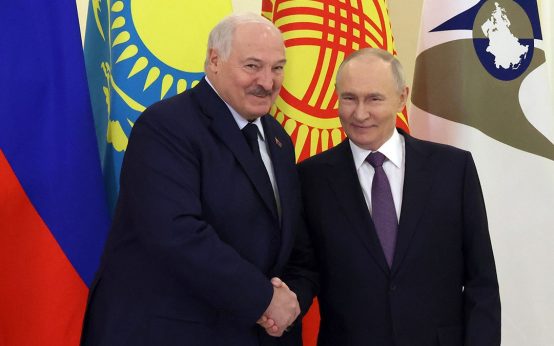 Lukashenko and Putin’s Unique Relationship and Belarus’ Strategic Role
 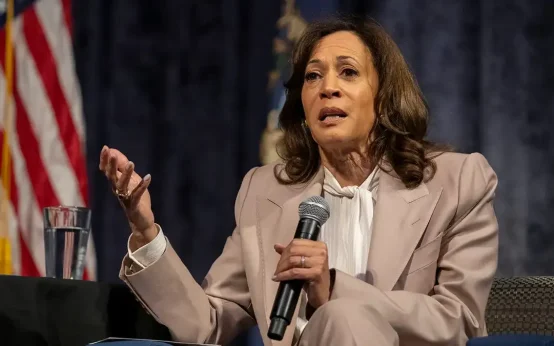 Harris Discusses Potential 2028 Presidential Run
  Far-Left Groups Allegedly Organize Protests in Austin
 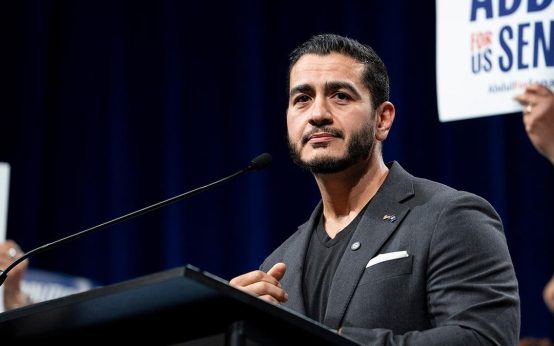 Michigan Senate Nominee Abdul El-Sayed Criticized for Remarks on Reproductive Rights