
A Sherpa guide named Dawa Sherpa miraculously survived and was found crawling near the base camp on Mount Everest after going missing for a week. He was reunited with his family, who had lost hope of his return.
Dawa Sherpa was last seen on May 29 as he descended the mountain with his client, who reached the base camp safely. However, Dawa did not make it. They were among the last climbers on the mountain as the climbing season ended and the route was dismantled. A cleaning crew located him on Thursday morning near the Khumbu Icefall, just above the base camp.
Pemba Sherpa from 8K Expeditions coordinated the search. Dawa was quickly transported to safety and provided with food and water. A rescue helicopter then flew him to HAMS Hospital in Kathmandu, where his wife and daughter were waiting. They had begun funeral rituals for him, believing he would not return.
His wife, Damu Sherpa, expressed disbelief upon hearing the news of Dawa’s survival through local reports. To confirm it was him, they requested photos. His teenage daughter, Mendo Lhamu Sherpa, recounted that their family was midway through the funeral rituals when they heard the news.
The team that found Dawa was part of the Sagarmatha Pollution Control Committee. This group installs and later removes ladders and ropes from the climbing route each season.
Dawa was last seen at the Yellow Band above Camp 3, situated at 7,200 meters (23,622 feet), while the base camp is at 5,300 meters (17,388 feet). He works for Himalayan Traverse, a Kathmandu-based company, and was guiding a Polish climber. Originally from Okhaldhunga, south of Everest, Dawa’s survival is celebrated as a miraculous feat by Nepal’s mountaineering community.
“This is nothing short of a miracle surviving so many days on the mountains facing such harsh conditions,” remarked Ang Tshering Sherpa, a leading figure in the community.
Sherpas possess remarkable strength and endurance, having grown up in the mountains. Ang Tshering noted that not everyone would have survived under such conditions.
Historically, the Sherpa community were yak herders and traders within the Himalayas until Nepal opened its borders in the 1950s. Their natural acclimatization and knowledge of the terrain became invaluable, allowing them to dominate the Himalayan climbing industry.
This May saw over 1,000 climbers and guides scale Everest during the busiest season recorded. The climbing began late due to a massive ice block above the base camp that took two weeks to clear.
The first successful ascent of Everest was on May 29, 1953, by New Zealander Edmund Hillary and his Sherpa guide Tenzing Norgay. The peak stands at 8,849 meters (29,032 feet).
 Federal Appeals Court Decision Against Trump’s ‘Third-Country’ Deportation Policy
  Ed Sheeran’s Philadelphia Concert Amid Controversy
  U.S. Secures Strategic Control Over Greenland
  U.S. Security Agreement in Greenland Sparks Optimism and Concerns
  Impact of Gender-Based Violence in South Africa
 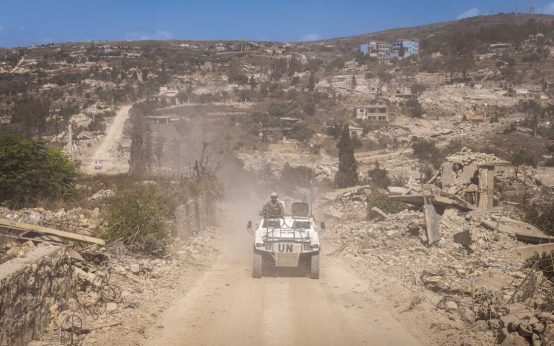 UNIFIL Operations in Southern Lebanon Amidst Ceasefire Challenges