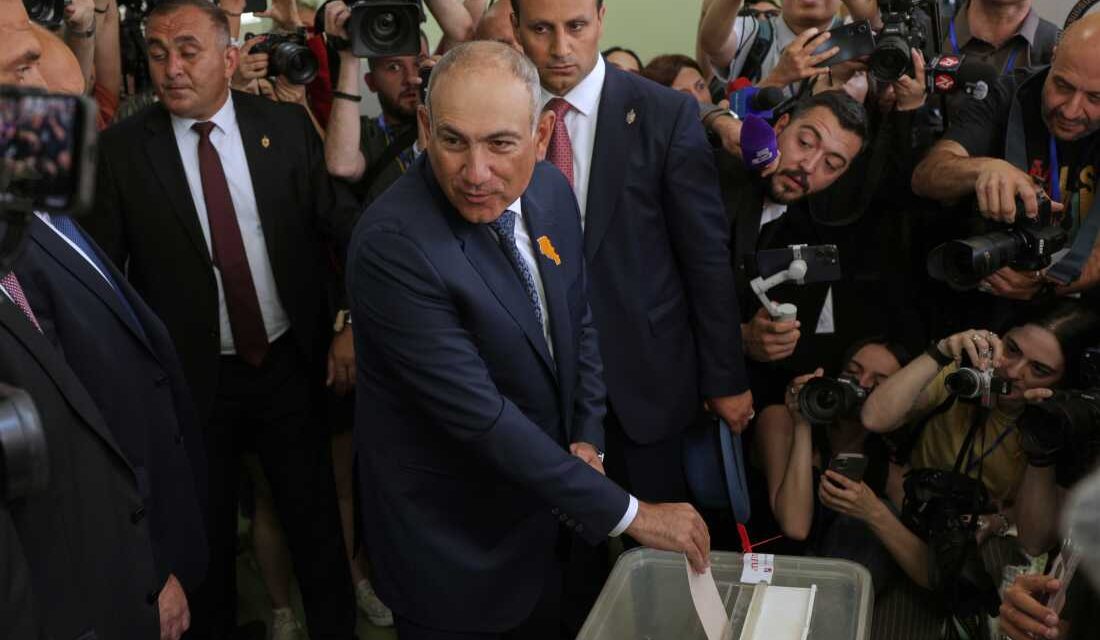
YEREVAN, Armenia — Armenians participated in a crucial parliamentary election on June 7, 2026, amid tensions surrounding the nation’s future geopolitical direction. Prime Minister Nikol Pashinyan and his Civil Contract party aim for a decisive mandate that supports strengthening ties with the West, countering pressure from Russia, as expressed by pro-Russian opposition parties.
Pashinyan emphasized the country’s commitment to independence and democracy at the polling station in Yerevan. According to Armenpress, he clarified that relations with Russia remain institutional and respectful. Despite Russian restrictions on Armenian exports and veiled comparisons to Ukraine’s situation, Pashinyan reaffirmed his focus on the European Union as a core partner.
“The European Union is our main partner in democratic reform implementation, and we will continue that path,” Pashinyan stated.
Armenia’s election process faced disruptions, including arrest warrants for members of the Strong Armenia party accused of vote-buying, while the Central Election Committee allowed the party to proceed despite corruption allegations.
Samvel Karapetyan, the head of Strong Armenia and under house arrest, spoke to media about his belief in the people’s choice for legitimate governance, dismissing claims against him as politically motivated.
During the election, Armenia’s National Assembly aimed to fill at least 101 seats. To gain representation, parties needed at least 4% of votes, and coalitions at least 8%. With pollsters predicting Pashinyan’s victory, he sought a balanced foreign policy involving relations with the United States, Europe, Russia, Turkey, and Iran.
US President Donald Trump publicly supported Pashinyan on social media, praising his leadership and urging Armenians to strive for prosperity and security. This endorsement contrasted with the Kremlin’s discontent, with President Vladimir Putin commenting on the implications of Armenia joining the EU.
Most of the opposition, including Strong Armenia, criticized Pashinyan’s attempts to strengthen ties with Azerbaijan and accused him of destabilizing relations with Russia. The ongoing conflict over the Karabakh region persists as a contentious issue.
Russia’s recent export restrictions on Armenian goods have sparked criticism from the European Commission. Described as economic coercion, Moscow’s actions aim to exert political pressure, leveraging Armenia’s energy dependence and reminding of incompatibility with the EU while remaining in the Eurasian Economic Union.
“By extending export restrictions on Armenian products, Moscow is weaponizing economic relations for political pressure. We know this playbook all too well,” stated the European Commission.
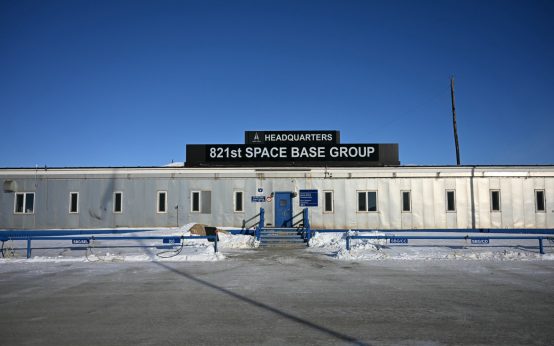 New U.S. Military Bases Planned in Greenland Amid Strategic Security Deal
 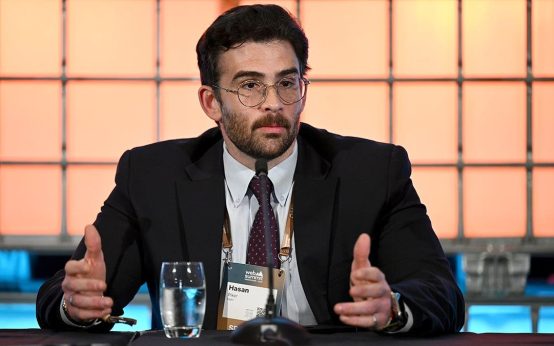 Twitch Streamer Hasan Piker Discusses Controversial Commentary
  A Shifting Political Landscape: The Decline of Autocratic Power
  Trump Delivers Warning to Iran, Cuba at UN General Assembly
 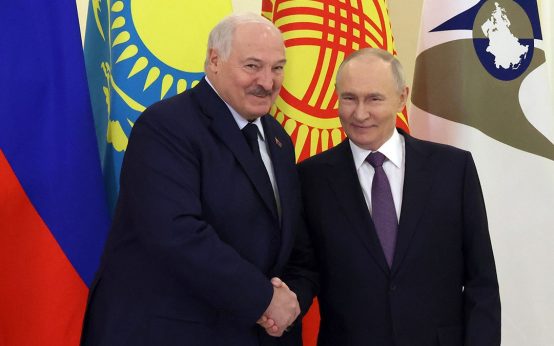 Lukashenko and Putin’s Unique Relationship and Belarus’ Strategic Role
  Alan Ritchson Faces Backlash Over Political Remarks