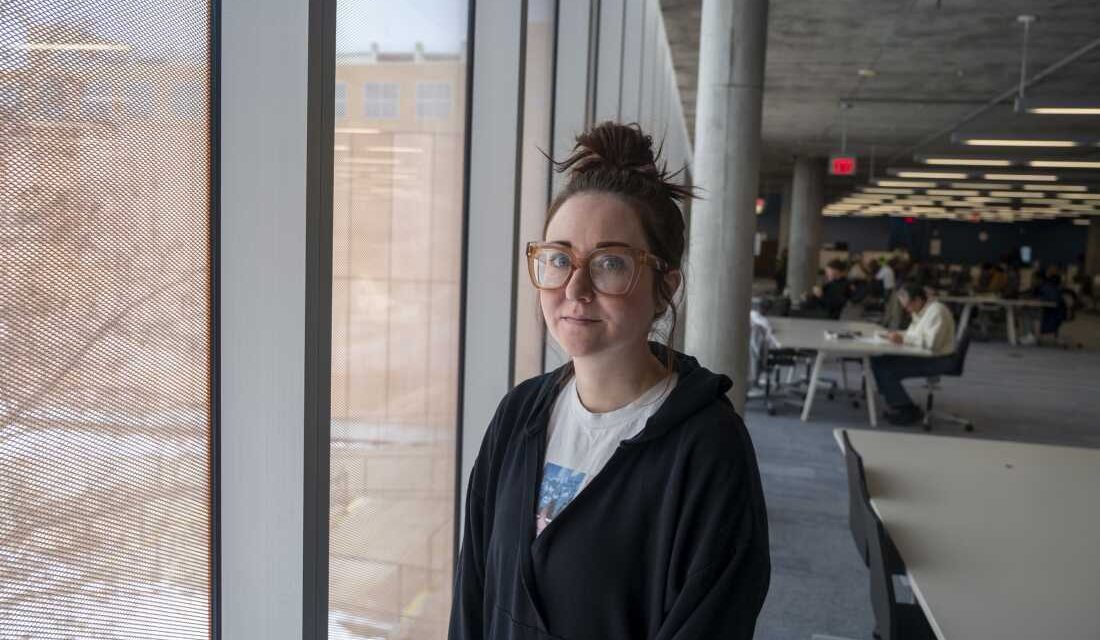
Morgan Newman, a cervical cancer survivor, faced an unexpected diagnosis that changed her life’s trajectory. It began in 2015 when she was a dental assistant in Des Moines, Iowa, while pursuing studies in social work. Following an abnormal Pap smear result, her doctor performed further examinations, which revealed cervical cancer when she was 24.
In the United States, the number of cancer survivors is increasing. The National Cancer Institute estimates there were over 18 million survivors in 2025, expected to rise to 22 million by 2035. For survivors like Newman, mental health issues can persist long after treatment ends.
Cancer Treatment and Its Aftermath
Newman’s treatment involved six weeks of radiation and chemotherapy. Although initial scans were clear, she faced further challenges when suspicious lung nodules appeared, requiring more chemotherapy. These treatments were demanding and left her feeling stuck as peers moved forward with life milestones.
Despite having undergone therapy before, financial constraints and a busy schedule prevented her from continuing during treatment. However, by 2017, a new job with better benefits allowed her to resume therapy, helping her cope with infertility caused by radiation and lingering cancer recurrence fears.
Beyond Physical Recovery
“The fear of the unknown really takes over and can physically impact your body, as well as your mind, of what if the cancer is back,” Newman remarked.
Many cancer survivors face anxiety and depression post-treatment. A Cancer Nation survey revealed about a third of patients fear recurrence, yet few seek mental health support. Shelley Fuld Nasso, CEO of Cancer Nation, noted the scarcity of therapists familiar with cancer’s unique impacts, especially in Iowa.
Cancer’s Impact in Iowa
Iowa has the second-highest rate of new cancer diagnoses nationwide, according to the Iowa Cancer Registry. The state’s rural nature further complicates access to mental health services for cancer patients.
The MercyOne Richard Deming Cancer Center in Des Moines aims to address these gaps by offering yoga, counseling, and other holistic services. Dr. Richard Deming highlighted the need for comprehensive care extending beyond cancer treatment completion.
Therapists’ Role in Recovery
Morgan Newman eventually sought help from Julie Larson, a therapist specializing in cancer survivorship. Larson works with many survivors, addressing not only physical changes but also silent emotional struggles that friends and relatives may not fully understand.
Larson writes and lectures to normalize the mental intensity of facing cancer. She acknowledges understanding specific treatment impacts helps her connect with clients.
Mental Health in Oncology
Patricia Ganz, an experienced oncologist and professor, underscores the medical field’s neglect of mental health in cancer care. While awareness is growing, screening and services for psychological distress remain inconsistent.
Dr. Deming echoed the need for a holistic approach throughout a cancer patient’s journey, considering all aspects affecting their life quality beyond mere survival.
This story is part of a collaborative report from NPR, Iowa Public Radio, and KFF Health News.
 Gene Editing’s Ethical Dilemma and Potential
  The Role of Home in Addressing Children’s Mental Health
  Teens and Distracted Parenting: Impact on Emotional Well-being
 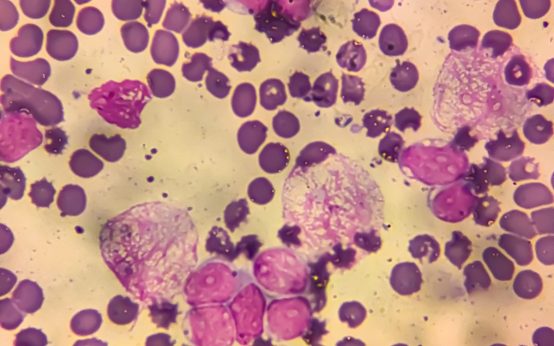 Global Cancer Burden from Infections: Findings for 2024
  Voluntary Recall of Mezzetta Peperoncini Due to Pest Contaminant
 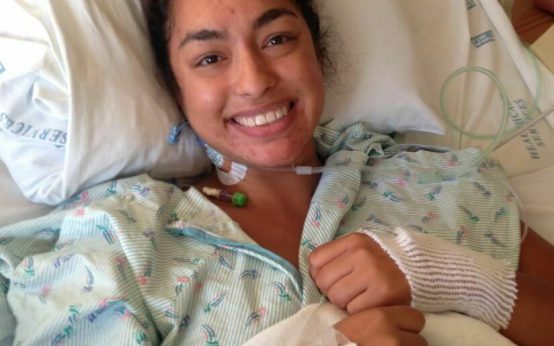 Leila Mirhaydari’s Journey Through Kidney Transplant Challenges