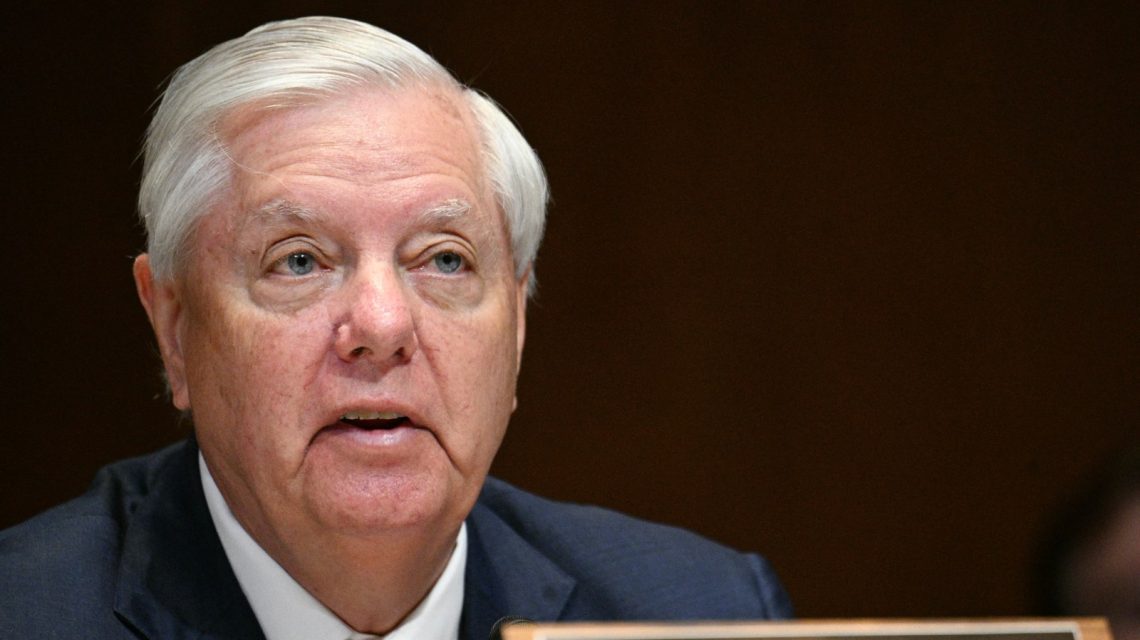
Republican Senator Lindsey Graham is seeking a fifth term in the Senate representing South Carolina. His challenger, Dr. Annie Andrews, a Democrat, has captured national interest. Although South Carolina leans Republican, the race has drawn attention due to its potential impact on the Senate’s balance of power.
Senate Race Dynamics
Polls favor Graham, but Andrews poses a significant challenge. Dissatisfaction with Washington and fundraising success have bolstered her campaign. Andrews emphasizes her healthcare background, highlighting issues such as affordable healthcare and education. On the other hand, Republicans rely on South Carolina’s structural advantages.
In the primaries, Graham received 58% of the vote. Andrews secured 61% in her primary. As control of the U.S. Senate hangs in the balance, this race becomes critical for both parties.
Polling and Prediction Markets
Polling is scarce, with available data suggesting a close race, though Graham leads. A February poll sponsored by Andrews showed Graham ahead by 5 points. Another poll from 314 Action indicated a 6-point lead for Graham against Andrews, narrowing to 2 points against a generic Democrat.
Graham’s primary campaign expenditure exceeded $14 million. Experts rate this Senate race as “solid R,” indicating a likely Republican win, but prediction markets are tighter. Kalshi’s odds give Republicans a 78.8% chance, while Polymarket shows 81%. Both indicate reduced chances for Democrats since January.
Republican Senate Control
Nationally, the Senate race is pivotal. Democrats need four additional seats to regain control. South Carolina isn’t seen as a key battleground, but a strong performance by Andrews could shift resources and focus.
Throughout the year, prediction markets have varied, with Republicans now holding a 58% chance to Democrats’ 42%. These variations reflect the fluctuating national political climate.
Annie Andrews’ Campaign Strategy
Andrews highlights her medical career and personal experiences, resonating with voters interested in healthcare, public education, and security. During a South Carolina measles outbreak, she provided public health guidance, linking it to governance and policy issues.
Her support includes parents, especially mothers. Financially, she’s competitive, having raised just over $8 million by May 2025, marginally more than Graham’s $7.7 million.
Despite challenges, Andrews builds upon her 2022 congressional run where she secured 42% of the vote. Success hinges on unifying Democrats, swaying independents, and eroding Graham’s support.
Historical Context of South Carolina Politics
South Carolina presents a difficult landscape for Democrats. The last Democratic Senate win was in 1998 by Fritz Hollings. Republicans maintain significant control statewide and federally. Graham defeated Democrat Jaime Harrison by over 10 points in 2020.
Graham’s incumbency and Republican lean in South Carolina enhance his prospects. Nevertheless, voter openness and narrow polling could hint at opportunities for Andrews.
Looking Ahead
The November 2026 election sees South Carolinians choosing between Graham and Andrews. Early voting and election deadlines will emerge as the campaign progresses.
New polling data and spending could indicate shifts in the race’s status. Turnout, especially among Democrats and independents, will be crucial for Andrews. In contrast, Graham focuses on mobilizing the Republican base.
If Senate control hinges on a few races, resources may flood South Carolina, especially if margins become tight.
 Lukashenko and Putin’s Unique Relationship and Belarus’ Strategic Role
  Harris Discusses Potential 2028 Presidential Run
  Far-Left Groups Allegedly Organize Protests in Austin
  Michigan Senate Nominee Abdul El-Sayed Criticized for Remarks on Reproductive Rights
  AFL Investigates Fairfax County Schools’ 9/11 Teaching Guidance
  Poll Reveals Voter Preferences Between Socialist Democrats and MAGA Republicans