
In February 2025, supporters of healthcare for transgender youth staged a march outside NYU Langone hospital in New York City. Meanwhile, families of transgender youth in California received a temporary reprieve when a federal judge blocked the release of their private medical records to the Trump administration. This decision halted hospitals in California from responding to criminal subpoenas issued by the Department of Justice (DOJ).
The DOJ has requested detailed patient records of transgender youth and personnel files of healthcare providers. This effort, according to lawyers, aligns with President Trump’s aim to end gender-affirming care for youth. However, the DOJ has not specified the exact nature of its investigation. Initially, administrative subpoenas were issued, but many were dismissed in court. Recently, the DOJ transitioned to criminal subpoenas via a grand jury in Texas, as disclosed by NYU Langone Medical Center. The extent of these subpoenas across hospitals nationwide remains unclear.
Shannon Minter of the National Center for LGBTQ Rights contends that these subpoenas are virtually identical in nature. He criticizes this initiative as harassment, aimed at intimidating healthcare providers and frightening families.
Legal Victory in California
The recent legal victory in California holds significance. Six families, who received care at Lucile Packard Children’s Hospital Stanford, sued to prevent their medical records from reaching the DOJ. A judge in the Northern District of California agreed, issuing a temporary restraining order that safeguards records statewide. A DOJ spokesperson maintains its commitment to use legal avenues to protect children.
Arne Johnson, a parent of a transgender teen, expressed relief, describing the situation as navigating a turbulent ocean. He, like many others, finds solace and gratitude in the legal battle waged by these families and their attorneys.
Minter observes that legal challenges to the release of medical files have been effective. So far, there’s no confirmation that any hospital has surrendered records, though the certainty remains elusive. However, multiple healthcare facilities have ceased offering gender-affirming care, citing pressures from the Trump administration.
Broader Implications
A federal judge in Maryland recently denied a request to certify a nationwide class of families to challenge administrative subpoenas. Craig Konnoth, a health law professor, argues that government demands for private records are unprecedented and could extend beyond transgender youth. He warns of government overreach to label groups or individuals unfavorably, urging awareness of the vast implications if such governmental actions succeed.
 JD Vance’s Mother Responds to Critics; Bob Brooks Resolves Debt Issue
  Voter Fraud and Border Protection Initiatives Detailed
  Former Roanoke Swimmer Criticizes Virginia’s Policy Shift on Transgender Athletes
 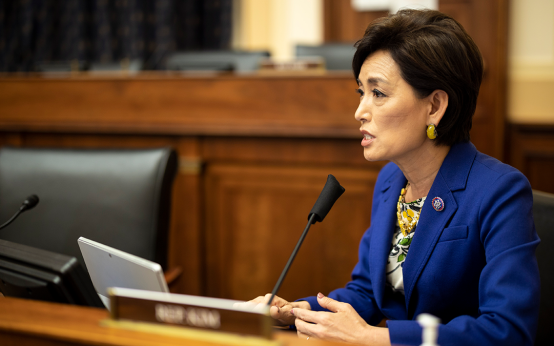 Rep. Young Kim Targets Congressional Self-Enrichment with New Resolution
 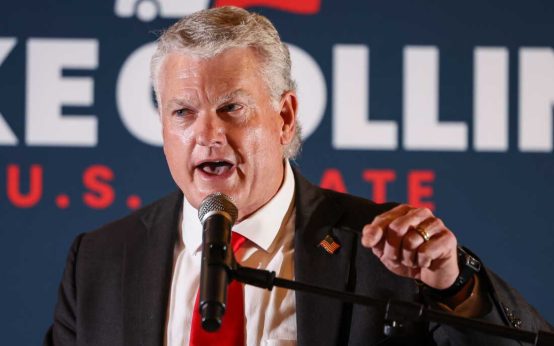 Trump’s Influence on 2020 Election Claims Continues to Affect GOP
  Republican Strategy in Upcoming Elections Amid Democratic Socialist Presence