In my late 20s, I found myself experiencing burnout. Holding a full-time journalism position in public radio, a field I had always aspired to, was challenging. My days were spent compiling countless news stories, rising early to cover morning shifts, and turning to Pepto Bismol to manage my stress-related symptoms. My yearning to travel more, exercise frequently, and enjoy the outdoors seemed unattainable without quitting my job. According to psychotherapist Satya Doyle Byock, this internal struggle was due to conflicting desires for meaning and stability, a concept she explores in her book Quarterlife: The Search for Self in Early Adulthood. The book offers insights into navigating this uncertain phase, known as the ‘quarterlife’, which lies between adolescence and midlife.
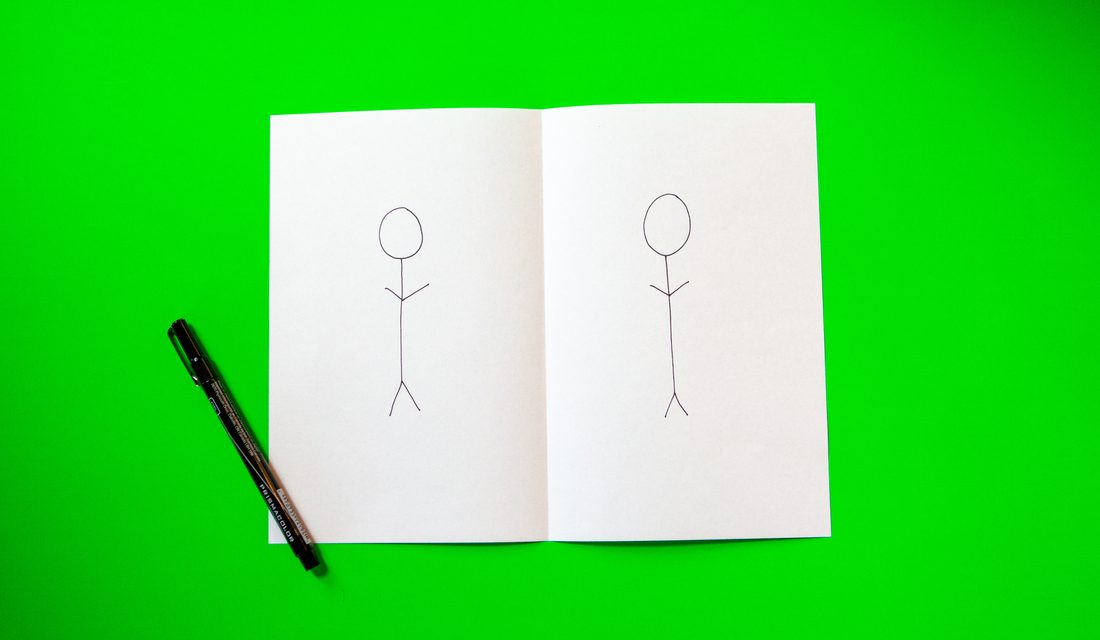
Byock explains that a person might simultaneously desire the single life while longing for marriage and family. These conflicting desires can create confusion in decision-making. To aid in finding balance, Byock created a drawing exercise called ‘My Two Conflicting Selves’. This exercise involves drawing stick figures representing one’s conflicting sides, listing their wants and needs, and discovering ways to reconcile them. She notes that recognizing these conflicts can reveal much about oneself.
This exercise is not limited to those in the quarterlife stage. Anyone feeling torn between different life paths can benefit. Here are the steps to try this exercise, which takes about 15 minutes with a piece of paper and a writing instrument.
Step 1: Draw Your Stick Figures
Fold a sheet of paper in half and draw a stick figure on each side. One figure should embody your ‘stability’ side, representing the desire for safety and grounding, while the other represents your ‘meaning’ side, which craves adventure and freedom.
Step 2: Name Each Side of Your Personality
Name each stick figure. You can draw names from movies, TV, or personal references. These names give form to the previously unspoken parts of yourself, allowing discussion either personally or with a therapist.
Step 3: Write a Narrative Around Your Two Sides
Examine each stick figure’s personality traits to understand your internal tensions. Use questions to explore their desires, and answer with bullet points or doodles. Consider their job, relationship status, attire, pets, spirituality, hobbies, and more. Your responses may reflect both your current reality and your aspirations.
Step 4: Observe Your Two Sides’ Wishes and Needs
Review the differences and similarities in each figure’s desires. This reflection may reveal a need to bring certain desires into your life. For instance, if both sides wish for a pet but for different reasons, it might indicate readiness for that commitment.
Step 5: Fulfill Both Sides of Yourself
Assess how much each side dominates your life in percentages. Reflect on whether this balance satisfies you, or if a change is needed. Consider ways to incorporate these desires, such as planning spontaneous trips to satisfy one aspect while maintaining stability for the other.
Once completed, display your stick figure exercise. It serves as a reminder of your dual aspirations and the challenge of balancing them. This exercise facilitates an acknowledgment of the multifaceted desires within you.
The audio portion of this episode is credited to Clare Marie Schneider, and the digital story was edited by Malaka Gharib. NPR welcomes feedback via voicemail at 202-216-9823 or email at [email protected]. Listen to Life Kit on Apple Podcasts and Spotify, or subscribe to the newsletter.
 Philadelphia Reports Measles Exposures at Airport and Hospital
  Legal Challenges Arise Over GLP-1 Receptor Agonists and Vision Loss Risks
  States Move to Restrict Tianeptine Amid Growing Concerns
  Potential Changes in Medicare Reimbursement for Lab Tests
  Understanding and Addressing the Complexity of Suicide
  Recall of Meat Products from Star Meat Delivery Inc.