
World leaders cautiously welcomed a new ceasefire agreement aimed at ending the prolonged conflict between the U.S. and Iran. The announcement followed a period of heightened tensions that impacted the Middle East and global economies. Oil prices fell as the fighting in Lebanon appeared to ease, sparking hope among Iranians for an end to the conflict that has claimed thousands of lives across the region.
The details of the agreement have not been disclosed yet. However, President Trump and Iranian officials have stated that the agreement includes a ceasefire lasting 60 days to facilitate negotiations on a final peace agreement. This framework aims to reopen the Strait of Hormuz, a crucial passage for global energy supplies, which could help stabilize rising U.S. gas prices and offer economic relief to Iran.
While Iranian officials have yet to comment on the specifics, Vice President JD Vance described the agreement as a significant step towards peace. Though Mr. Trump touted the reopening of the Strait of Hormuz, skepticism remains regarding the finalization of a nuclear agreement with Iran. Discussions on easing U.S. sanctions and limiting Iran’s nuclear program are key focal points for both nations.
Questions also linger about the agreement’s impact on Lebanon, where Israeli military actions against Hezbollah have persisted. Iran and Pakistan, which acted as mediators, noted that the agreement called for an immediate cessation of military operations, including those in Lebanon.
Despite the announcement, Israel’s Defense Minister Israel Katz insisted that Israeli troops would not withdraw from Lebanon, even as Hezbollah lauded the ceasefire as a key achievement for Iran.
Another critical aspect of the agreement involves the Strait of Hormuz. President Trump claimed that the waterway would be made ‘permanently toll-free,’ while Iranian representatives suggested a service fee system might be established. As shipping companies cautiously await more details, they prepare for the potential reopening of this vital route.
While negotiations continue towards a more comprehensive resolution, global markets and world leaders express optimism. European leaders aim to demonstrate support for reopening the Strait of Hormuz unconditionally, thus stabilizing the global energy and economic landscape.
In summary, the preliminary ceasefire framework offers a pathway towards peace and economic relief, though crucial issues surrounding Iran’s nuclear capabilities remain unresolved. The coming months will be pivotal in determining the lasting impact of this diplomatic endeavor.
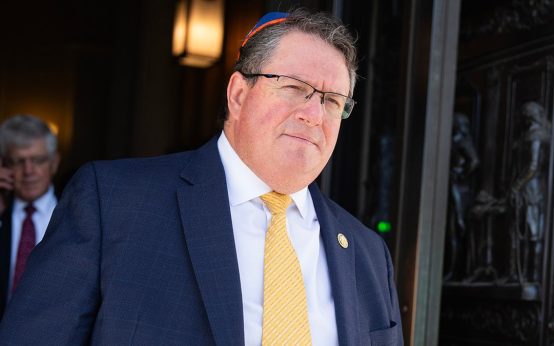 Congressman Randy Fine’s Bold Political Stance and Views on AI Regulation
 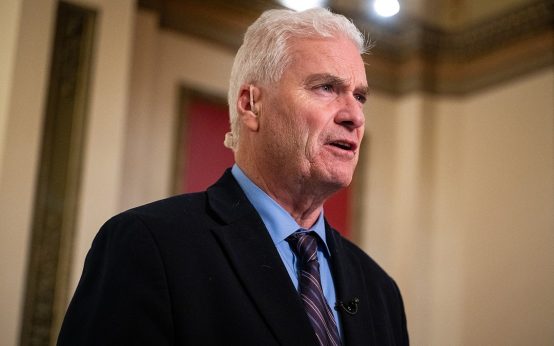 Political Messaging and Strategy Leading Up to Midterms
  President Trump Proposes ‘Super Intelligence’ as New AI Term
  Trump Administration Considers Diesel Export Ban Amid Rising Prices
 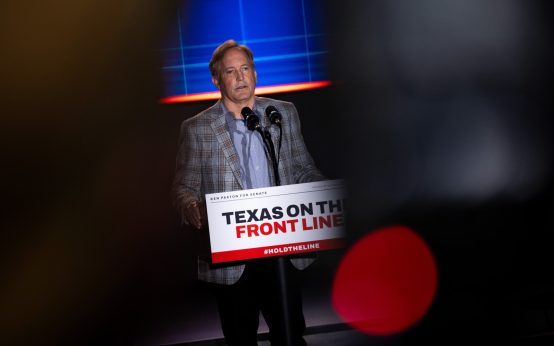 Texas Senate Race Tightens with Shifting Youth Support
  Flight 93 Hero’s Father Criticizes Ties Between Hasan Piker and Abdul El-Sayed