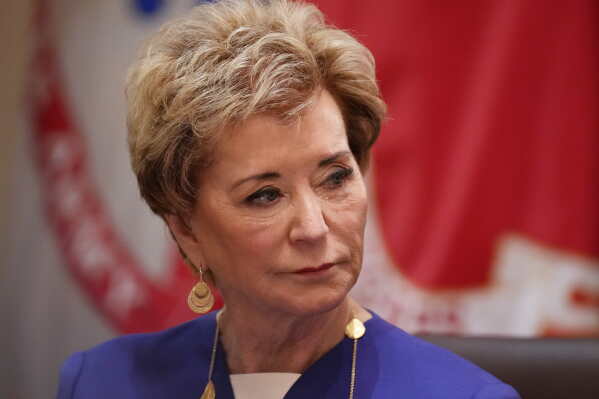
The Trump administration has made significant changes to the Department of Education. On Tuesday, they announced plans to delegate many functions to other agencies, a move affecting at-risk students.
Key Changes in Education Oversight
The Department of Justice will now handle civil rights enforcement in education. The Department of Health and Human Services (HHS) will oversee special education. These adjustments involve the Office of Special Education and Rehabilitative Services and the Office for Civil Rights. These offices previously focused on the rights of children with disabilities and those facing discrimination by race, sex, or religion. Concerns have arisen about potential communication gaps for families and school officials requiring guidance.
President Donald Trump campaigned for a shift of education responsibilities back to states. Although only Congress can dismantle the department, Education Secretary Linda McMahon arranged collaborations with other federal bodies to manage many tasks. McMahon emphasized aligning federal duties where support is optimal.
Reactions and Concerns
Advocates for educational equity anticipate uncertainty about services for many students and families. A statement from EdTrust highlighted the potential impact on traditionally underserved students, including those with disabilities and from diverse backgrounds.
Earlier, the Department of Education had already implemented internal agreements affecting some programs. Offices involved in these recent changes, like the Office of Special Education and Rehabilitative Services and the Office for Civil Rights, play significant roles. They manage grants and respond to discrimination complaints in schools and universities.
The Department of Justice will also address student privacy issues and offer schools some guidance and training. Despite HHS and the Justice Department taking on many responsibilities, some duties remain with the Education Department, such as audits and final decisions in civil rights cases, as mandated by law.
Rep. Bobby Scott criticized the move as politically motivated, potentially creating greater inequities for students involved. Sen. Patty Murray argued that dispersing education programs to inexperienced agencies misallocates efforts and resources.
Rachel Gittleman, leader of the union for department employees, predicted chaos for families and schools and a lack of necessary services and protections for vulnerable students.
Concerns Raised by Disability Advocates
Transferring special education to HHS has particularly unsettled disability advocates. They argue that education professionals, rather than medical experts, should manage oversight for children with disabilities.
“The IDEA is intended to equip students as they learn alongside their peers, not cure them. HHS is not prepared to oversee and administer the IDEA program effectively,” said Jennifer Coco from the Center for Learner Equity.
Secretary McMahon reported extensive consultations with families, advocates, and educators over six months to understand impacts on special education. Despite concerns from participants about service hurdles, there was consensus against moving oversight away from the Education Department.
According to Jennifer Coco, while there’s agreement on problems in the system, the solutions proposed, including these transfers, do not seem adequate.
The Associated Press holds responsibility for its content, supported by various private foundations.
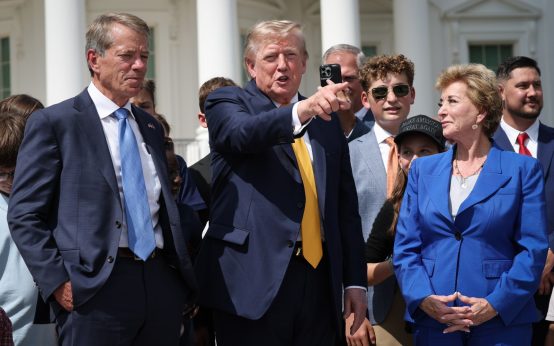 Student Loan Groups Urge Congress for Oversight Hearings
  A Controversial Stance on Immigration Policies Sparks Debate in South Carolina
  Politics, Academia, and Their Impact on Standards
  Staying for Progress: A Principal’s Commitment in Missouri
 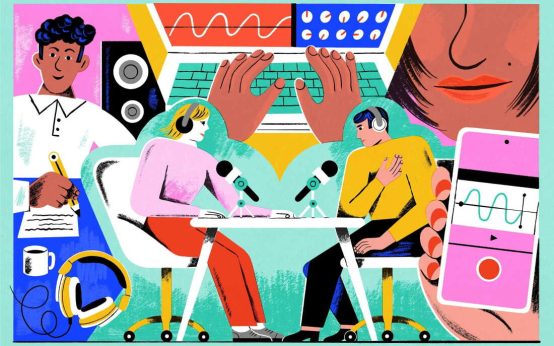 Life-Changing Experiences: Reflections from Past College Podcast Challenge Winners
  The Unique Education Model of Cristo Rey Jesuit High School