Evian-les-Bains, France (AP) — At the Group of Seven summit, major industrialized democracies, led by President Donald Trump, are redirecting their attention to the conflict in Ukraine. This marks a shift in focus from the Iran conflict. Trump expressed his desire to reimpose sanctions on Russian oil shipments. The sanctions, previously eased to stabilize oil prices during the Iran conflict, are likely to be reinstated as oil shipments increase through the Strait of Hormuz. Trump noted the situation with Iran will soon be less of a concern.
During a meeting at the G7 summit with the Emir of Qatar, Trump stated his plans to meet Ukrainian President Volodymyr Zelenskyy to discuss the Ukraine conflict. Trump remarked, ‘Soon we’ll be able to do that because the oil is now flowing.’ Oil price fluctuations had prompted the U.S. to temporarily ease some sanctions on Russian oil in March.
G7 Leaders and Ukraine’s Discussions
Ukrainian President Volodymyr Zelenskyy joined G7 leaders for brief discussions about the war in Ukraine. Zelenskyy emphasized Ukraine’s commitment to peace, contrasting it with Russia’s actions. He stated, ‘The entire ‘Seven’ supports Ukraine unanimously today.’ G7 leaders discussed increasing production of Patriot missiles to bolster Ukraine’s defense against Russian missile attacks, as these missiles are vital for countering threats to Ukraine’s infrastructure and cities.
As U.S. support for Ukraine has lessened under Trump, France and European allies have become the main providers of military and financial aid to Kyiv. While Trump minimized the war’s impact on the U.S., he acknowledged the conflict’s tragic human cost.
Responses from Other Nations
The UK announced new sanctions targeting Russia’s ‘shadow fleet’ used for shipping oil and gas and its financial networks designed to bypass Western sanctions. These sanctions also include ships recently acquired by Russia for transporting liquefied natural gas from the Arctic LNG 2 project.
Prior to the summit, Russia launched missile and drone strikes on Ukraine’s major cities, resulting in 11 casualties and the destruction of a religious site.
Ukraine’s Progress Towards EU Membership
Ukraine officially began negotiations for European Union membership, an effort requiring substantial political reforms while countering the ongoing Russian invasion. Ukraine views EU membership as a security assurance for its post-war future. While NATO membership remains off the table according to the Trump administration, EU membership is seen as a critical step forward.
U.S.-Iran Ceasefire Deal
Amid the summit, the U.S.-Iran ceasefire deal was a focal point. Trump expressed his willingness to submit the deal to Congress for review, despite skepticism from some Republican members who question the deal’s ability to restrain Iran’s nuclear ambitions.
During separate meetings with Gulf leaders, Trump expressed discontent over Israel’s ongoing conflict with Hezbollah in Lebanon, stating that Israeli actions ‘should have been able to deal with them faster.’ Trump highlighted ongoing tensions as an impediment to concluding a broader deal with Iran.
French President Emmanuel Macron indicated that Western leaders, including France and the UK, are prepared to restore security in the Strait of Hormuz to ease the effects of rising oil prices. The G7 includes France, the US, Canada, Germany, Italy, Japan, and the UK, with other guest nations participating in selective discussions.
 Federal Appeals Court Decision Against Trump’s ‘Third-Country’ Deportation Policy
  President Trump’s Controversial Ban on Media Outlets Sparks Press Freedom Concerns
  Ed Sheeran’s Philadelphia Concert Amid Controversy
 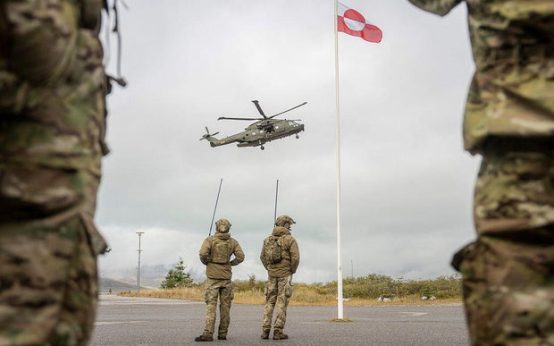 U.S. Secures Strategic Control Over Greenland
  U.S. Security Agreement in Greenland Sparks Optimism and Concerns
  Cook County’s Property Tax Bridge Loans