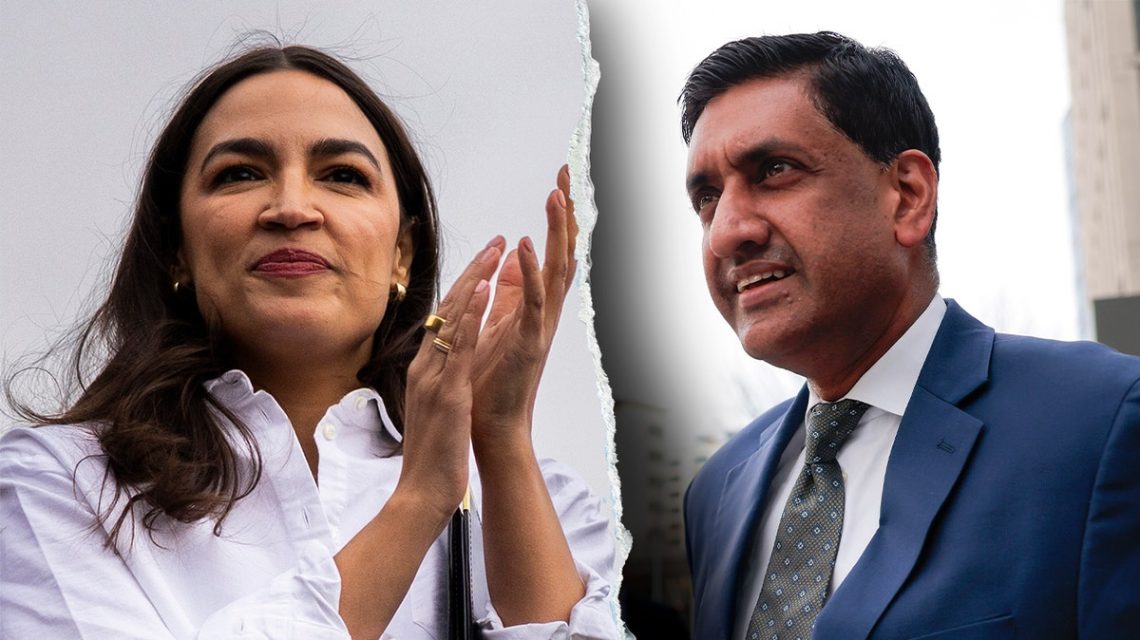
Progressive Democrats have recently redefined a term for the wealthy elite. What was once called “The 1%” is now referred to as “The Epstein Class,” carrying negative implications. As the midterms approach, figures like Sen. Jon Ossoff and Rep. Jaime Raskin have embraced this term, prompting questions about who belongs to this group.
Definitions and Interpretations
To understand the term, I spoke with Rep. Ro Khanna, a major proponent. When asked about examples like Elon Musk or George Soros, Khanna avoided naming names. He stated:
What the Epstein files revealed is a group of powerful and wealthy men more concerned with their status and networks than decency and humanity. They viewed young girls that Epstein abused as dispensable to maintain their standing with him. This elite’s callowness has led to an unfair economy.
I noted that Khanna’s response resembled conspiracy theories, which he distanced himself from. He explained:
It is symbolic for a network of powerful and rich men who prioritize their needs over civic virtue and accountability. I reject the notion of a secret cabal.
Khanna clarified that these individuals have more influence due to their wealth, facilitated by the Citizens United decision. He likened them to economic royalists, not directly linked to Epstein.
The Political Impact
Despite Khanna’s explanation, the term remains an attack on wealthy individuals involved in politics. Politicians across the spectrum, such as Marjorie Taylor Greene and Thomas Massie, have used the term to critique policies without evidence.
Critics argue that this terminology is a veiled attempt to demonize the wealthy, reminiscent of Occupy Wall Street’s rhetoric. The fear is that this language could reshape Democratic Party policies.
For the nation to counter this narrative, there must be clarity and accountability. The term “Epstein Class” serves as a reminder of the tension between wealth and influence in politics, urging careful consideration of the labels we use.
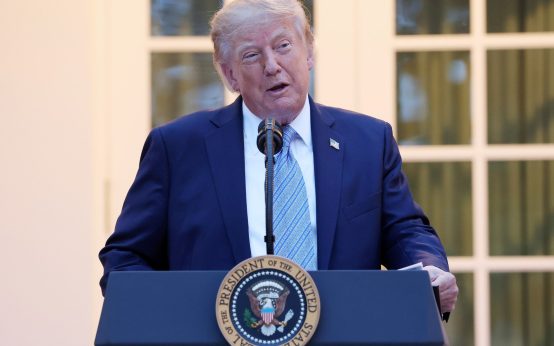 House Races Shift Amid Democratic Momentum
 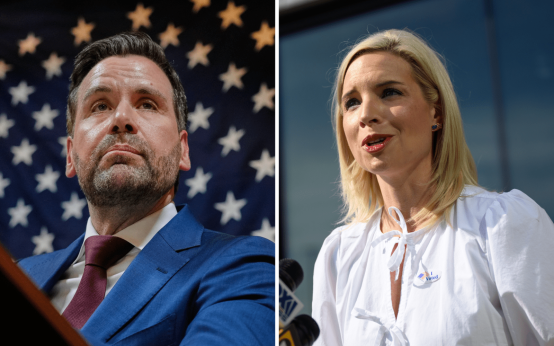 Iowa Senate Race: Marist Poll Shows Democrat Josh Turek Leading Republican Ashley Hinson
 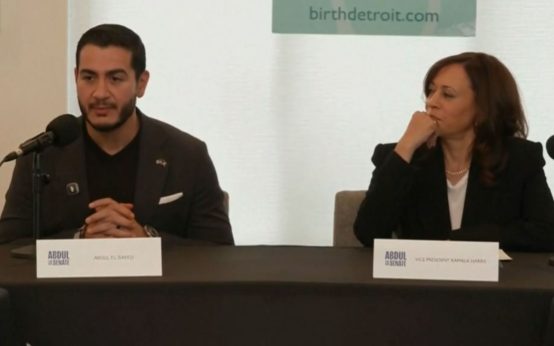 Kamala Harris and Abdul El-Sayed Campaign Together in Detroit
  Challenges Facing the Supreme Court’s Public Perception
  California Democratic Aide Arrested for Visa Overstay by Federal Authorities
  Experts Doubt Export Ban Will Lower Fuel Prices