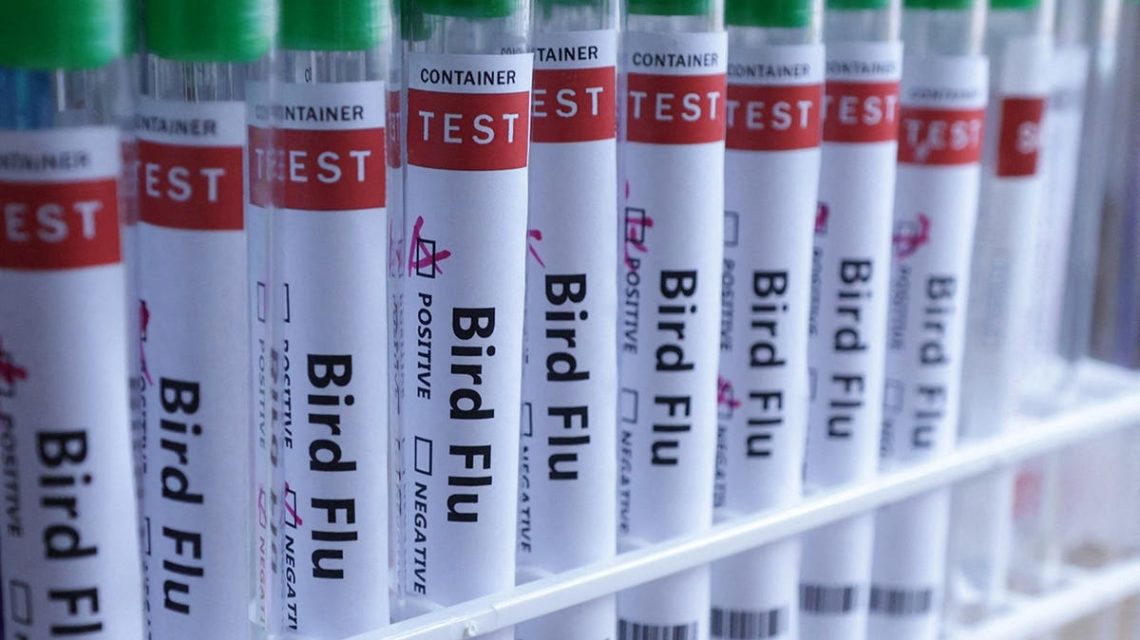
The H5N1 bird flu has now been confirmed in Australia, marking its presence on all continents. A brown skua seabird located near Esperance in Cape Le Grand National Park, Western Australia, tested positive for the virus. The Australian Department of Agriculture, Fisheries and Forestry released this information.
Australia’s Department of Primary Industries and Regional Development is managing the situation alongside national agencies to minimize the disease’s impact. The United States has already faced significant repercussions, with millions of birds dying, causing a rise in grocery prices and egg shortages.
Despite the virus’s global spread, transmission to humans remains rare. Australia’s federal Agricultural Secretary Julie Collins acknowledged that remaining free from bird flu forever was improbable.
In a press conference, Western Australia’s Agricultural Minister, Jackie Jarvis, confirmed that their early detection systems effectively enabled the prompt isolation and testing of the affected bird. She emphasized Australia’s preparedness in dealing with the outbreak.
Further tests linked the strain to bird flu cases seen on Heard Island and McDonald Islands near Antarctica. These areas suffered extensive wildlife devastation recently.
Jarvis reassured the public that there have been no poultry detections or mass mortality evidence on the Australian mainland. Authorities suspect a second case involving another migratory bird near Esperance. News agency Reuters contributed additional information to this report.
 Russia and Ukraine Agree to Major Prisoner Exchange Amid Ongoing Conflict
 Russia, Ukraine Resume US-Mediated Peace Talks
 Nationwide Shortage of Hormone Therapy Expands
 Senior US Army Soldier Arrested for Espionage in UK
 Bomb Threats Disrupt European Schools, Spur Investigation
 Ukraine and Russia Agree on Prisoner Exchange Amidst Complex Talks