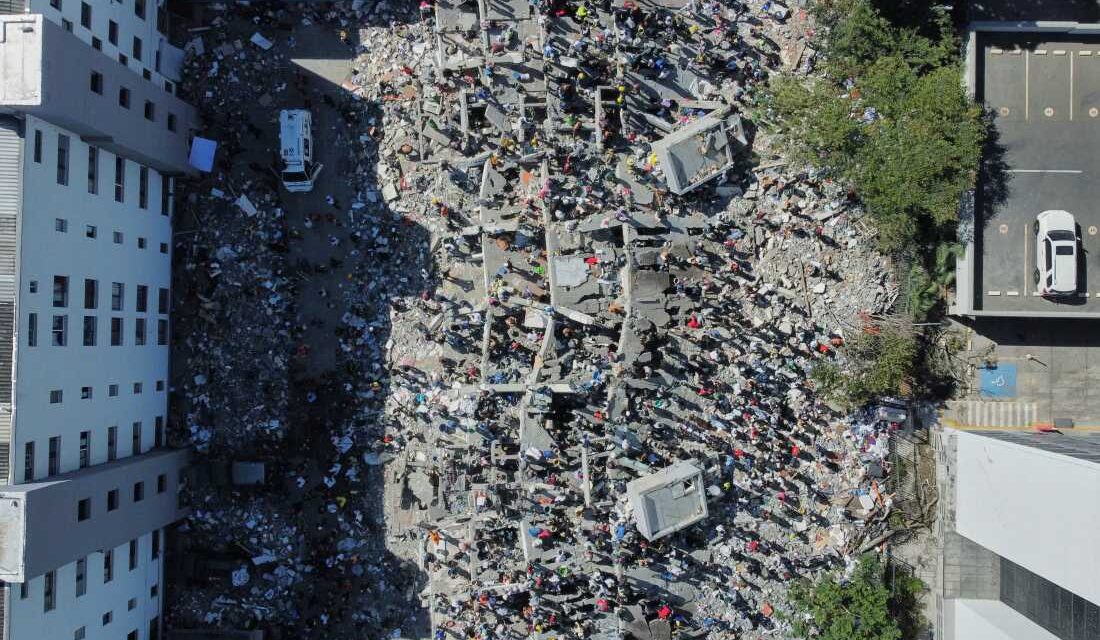
A Powerful Earthquake Hits Western Colombia
On August 10, 2026, a massive 7.4 magnitude earthquake struck western Colombia, causing widespread destruction. The quake led to the death of at least 111 individuals and injured 87 others. More than 1,600 buildings suffered damage, and 61 completely collapsed.
The epicenter was near San Jose del Palmar, a small community in the Choco region, situated approximately 250 miles west of Bogota. This underscores the vulnerability of the region, where access is often limited to boats or planes.
Desperate Search and Rescue Efforts
In the city of Cali, volunteers formed lines to pass debris as they searched for survivors. Álvaro López, watching nearby while holding his dog, lamented over the destruction of his building. Search efforts continued in areas like Pereira, Quibdo, and Manizales, extending into neighboring Ecuador and Panama.
Colombia’s President, Abelardo de la Espriella, declared an emergency to expedite recovery funding. He emphasized the government’s commitment to supporting affected citizens.
Colombia’s Most Powerful Quake This Century
According to Colombia’s Geological Service, this earthquake was the strongest recorded in the 21st century. It was accompanied by several aftershocks due to its location within the Pacific ‘Ring of Fire’. The seismic event predominantly affected the impoverished Pacific region, specifically Choco, complicating damage assessment efforts.
Death Toll and Widespread Impact
Authorities confirmed deaths in various regions: 40 in Risaralda, 27 in Valle del Cauca, 9 in Choco, 2 in Caldas, and 1 in Antioquia. Some casualties remain unaccounted for. This tragedy follows a similar disaster in Venezuela, where previous earthquakes claimed over 6,300 lives.
Uncertainty prevailed as reports emerged of missing loved ones, with databases listing more than 2,000 missing individuals in Cali and Pereira.
Cities Grapple with Devastation
In Cali, 64-year-old taxi driver Jorge Moncayo recounted the moment the earthquake struck. Residents and rescue teams sifted through debris in over 380 damaged buildings.
Choco faced communication challenges, with disrupted phone signals. In Pereira, visual evidence of destruction included airport ceiling debris and numerous collapsed structures. Mayor Mauricio Salazar highlighted concerns about trapped individuals in numerous damaged buildings.
The city’s cathedral sustained damage in Manizales, prompting Mayor Jorge Eduardo Rojas to advise residents to stay outside.
Flight operations were suspended at airports in affected areas, as authorities evaluated damage.
Aid and Assistance
Small quakes are relatively common in Colombia, but those exceeding 6.0 magnitude are rare. The government now faces a significant challenge in responding to the disaster. As part of international aid efforts, the U.S. State Department allocated $15.5 million for emergency relief.
Latin American countries offered assistance, with El Salvador’s President, Nayib Bukele, and Mexican President Claudia Sheinbaum expressing readiness to provide support. Chilean President José Antonio Kast pledged to assist based on his country’s experience with earthquakes.
 ADL Criticizes Wikipedia for Failing to Address Bias in Israel-Related Content
  Sally Rooney’s Books Pulled From UK Shelves Over Support For Palestine Action
 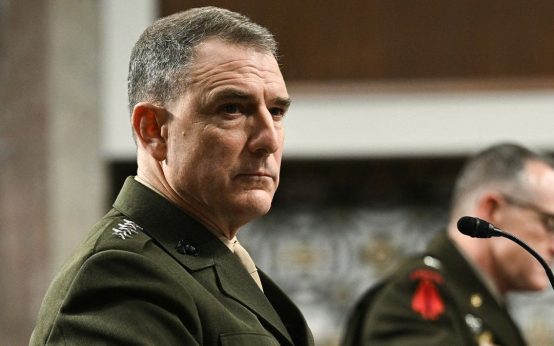 U.S. Military Expands Operations in Latin America
  Salvadoran President’s Plan for Conditional Early Prisoner Release
 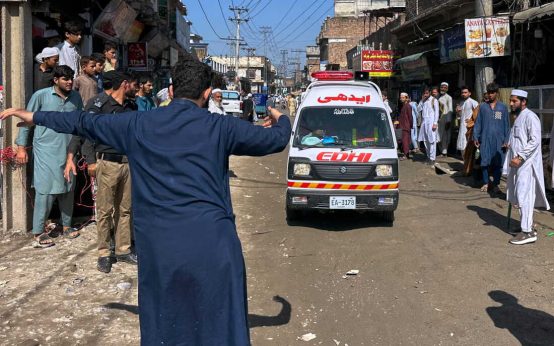 Tragic Roof Collapse at Peshawar School: 28 Dead, Many Injured
  Harry and Meghan’s Return to Nottingham: A Day of Charitable Engagements