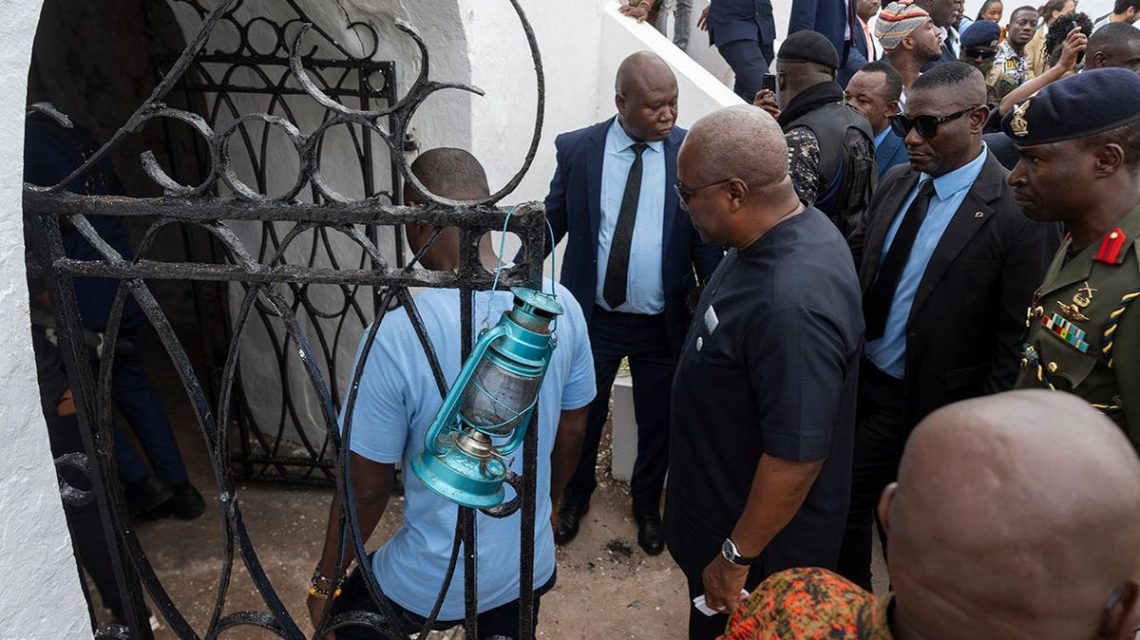
African and Caribbean leaders have called for financial compensation, debt cancellation, and formal apologies from nations that gained from the transatlantic slave trade. This follows the adoption of an extensive reparations plan at a conference held in Ghana.
The 19-point plan outlines demands such as financial compensation, debt relief, establishing a Global Reparations Fund, and returning looted cultural artifacts and ancestral remains. The proposal also suggests reforms to international financial institutions that allegedly disadvantage Third World countries.
This initiative will be presented at the upcoming United Nations General Assembly as part of a coordinated effort by African and Caribbean nations to demand slavery reparations. The African Union and the Caribbean Community (CARICOM) Commission on Reparatory Justice adopted the plan at the end of a three-day conference.
Ghanaian President John Dramani Mahama addressed delegates stating, “History does not ask us to inherit guilt, but it asks us to inherit responsibility.” Although the proposal does not specify which countries should offer compensation or formal apologies, it calls for measures including debt cancellation, climate justice financing, and expanded citizenship pathways for Africans in the diaspora.
The plan encourages African nations to maintain former slave forts and castles as memorial sites. Proponents of the plan argue that the impacts of slavery remain pervasive in Africa and the Caribbean.
The conference aligns with a United Nations resolution from March labeling transatlantic slavery as the “gravest crime against humanity.” The resolution received 123 votes, while the U.S., Israel, and 52 other nations either opposed or abstained. Concerns were raised over the resolution potentially creating a hierarchy of crimes against humanity.
High-ranking representatives from Namibia, Liberia, Senegal, Barbados, and Sao Tome and Principe, along with other nations, participated in the conference. French President Emmanuel Macron delivered a virtual address, acknowledging the suffering inflicted by slavery.
Macron stated that reparations should not be seen merely as a conclusion or a monetary settlement to close the narrative. The conference consolidated various reparations endeavors from African and Caribbean nations into a unified document for submission to the United Nations.
 Arrest of Several Men in Gloucestershire on Explosives Charges
  Hungary’s Political Transformation: Challenges and Alliances
  Upcoming Events and Challenges for Prince Harry and Meghan Markle in the U.K.
 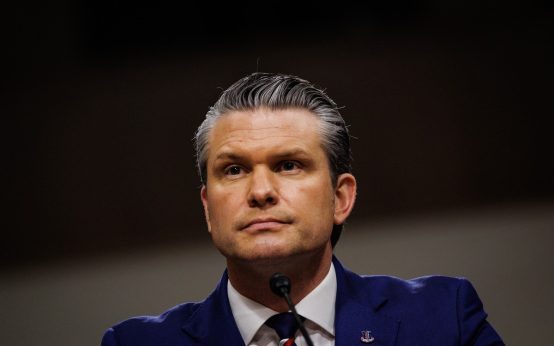 U.S. Navy Confirms Increase in Injured Troops from Iran Conflict
  Major Incident Declared Near British Airbase
 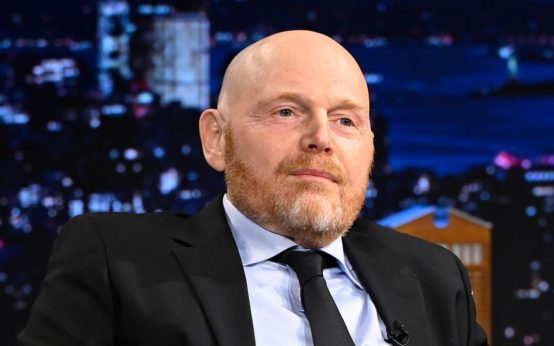 Bill Burr Discusses the Impact of a High-Profile Murder Case and His Evolving Comedy Perspective