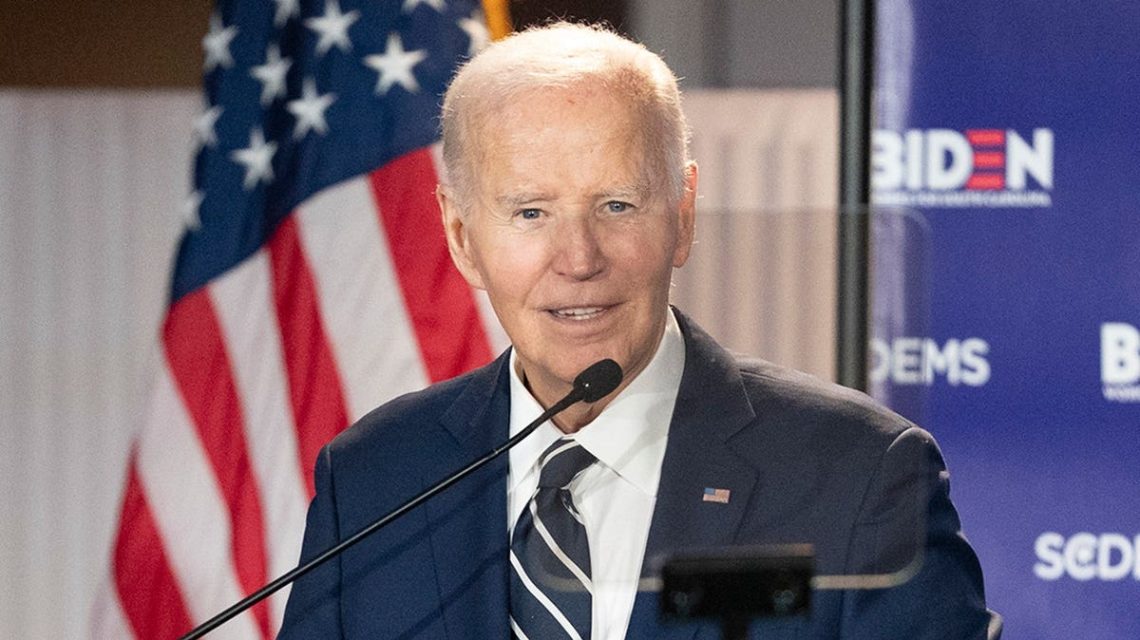
Former President Joe Biden has been granted three additional weeks to prevent the release of audio recordings and transcripts related to Special Counsel Robert Hur’s investigation into classified documents. A federal judge issued a temporary injunction as a federal appeals court deliberates on Biden’s challenge.
The recordings stem from Biden’s interviews with Mark Zwonitzer, the ghostwriter of his 2017 memoir, “Promise Me, Dad.” On Friday, U.S. District Judge Dabney Friedrich, a Trump-appointee, issued the injunction pending appeal, halting the Justice Department from releasing the materials as the D.C. Circuit considers the case. This came shortly after Friedrich denied Biden’s request for a preliminary injunction that aimed to block the release entirely.
The legal battle could decide whether Americans will ever hear the recordings that influenced Hur’s decision not to charge Biden for mishandling classified documents. Questions have arisen over Biden’s memory, which played a role in Hur’s decision not to prosecute.
The Justice Department had previously released audio from Biden’s interviews with Hur. However, the current litigation involves recordings from separate conversations between Biden and Zwonitzer. Hur’s 2024 report cited Biden’s conversations with Zwonitzer, describing them as “painfully slow” as Biden reportedly struggled to remember events and relay information. This fueled scrutiny of Biden’s cognitive abilities during an election year.
The Heritage Foundation and its Oversight Project director, Mike Howell, have pursued the recordings and transcripts through FOIA requests for more than two years. They argue the public has a strong interest in examining these materials, which were referenced in Hur’s report to explain his decision to forgo criminal charges.
Biden’s legal team has actively fought to keep the recordings private, indicating potential embarrassment. After Judge Friedrich rejected Biden’s motion for a preliminary injunction, Biden’s lawyers filed for emergency relief with the appeals court.
In the emergency filing, Biden’s attorneys argued that disclosure would end the case before the appellate review could occur. They asserted that once released, privacy protections would be irreversibly lost, making the appeal largely moot. The filing pointed out the FOIA litigation’s two-year duration and claimed no urgent public need exists for immediate disclosure of decade-old conversations. They emphasized Biden is now a private citizen not seeking office.
Initially, the Justice Department withheld the recordings under several FOIA exemptions. However, earlier this year, they decided the records could be released with redactions, acknowledging significant public interest in the evidence Hur used during his investigation.
Biden filed suit in May, arguing the recordings contain private conversations protected under the Privacy Act. His legal team claims the department’s decision violates the Privacy Act and represents arbitrary agency action under the Administrative Procedure Act.
Leading Biden’s effort is Amy Jeffress, a partner at Washington law firm Hecker Fink and a former Justice Department national security official. Jeffress has spearheaded Biden’s challenge to the disclosure, signing the emergency filing to prevent release while the appeal is under consideration. Notably, Jeffress is married to U.S. District Judge Christopher Cooper, whose recent ruling against the Trump administration prompted criticism and speculation of a conflict of interest due to his connection to Biden’s attorney.
 Noncitizens Charged with Voter Fraud in the U.S.
  Nevada Attorney General Faces Questions Over Clemency Support for Convicted Killer
  Family Seeks Investigation After Grandmother’s Assisted Death in Canada
  Trump Administration Announces Major ACA Marketplace Fraud Crackdown
  Changes in Chicago’s Leadership: City Hall Legal and Administrative Shifts
  House Republicans Release Transcripts in Jack Smith Investigation