Entrepreneurship: A Path Forward for Afghan Women
With secondary education and most traditional jobs out of reach, many Afghan women have turned to entrepreneurship. This shift serves as both a means of generating income and maintaining social interactions.
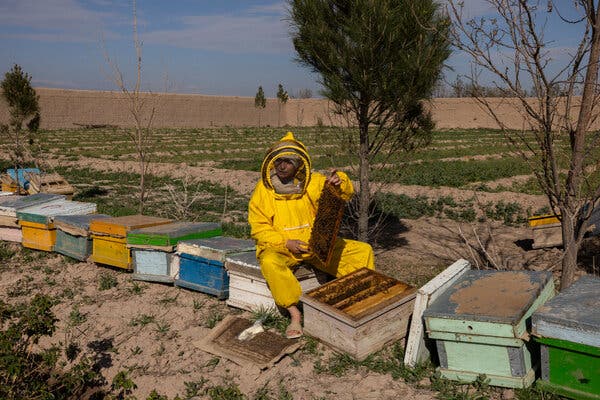
Ghoncha Karimi, a 36-year-old beekeeper, exemplifies this trend as she tends to her bees in an orchard outside Herat City. Her story is one among many demonstrating how Afghan women are navigating the challenges posed by Taliban restrictions.
Impact of Taliban Policies on Women’s Opportunities
Despite the severe limits imposed by the Taliban, women are allowed to initiate businesses, provided they adhere to stringent rules. The Afghanistan Chamber of Commerce and Industry reports over 10,000 women hold business licenses, marking a substantial increase over the past five years. Additionally, approximately 120,000 women operate businesses without licenses, showing small enterprises as the principal employers of women in Afghanistan, according to the World Bank.
While this growth signals progress, it also highlights the contraction of opportunities for many Afghan women. Careers once envisioned in fields like law, engineering, or higher education have been redirected toward trades such as carpet weaving, cosmetics, or vocational instruction due to banned government positions and certain non-profits.
Challenges Beyond Entrepreneurship
The restrictions go further, prohibiting women from operating beauty salons, studying midwifery or nursing, and interacting with male clients or suppliers. As of 2024, less than 7 percent of Afghan women maintained employment, according to the U.N. Development Programme. Those working encounter increasing obstacles, including harassment and arrests by the morality police, which recently spurred protests.
Though the number of women owned businesses may appear promising, it cannot overshadow the ongoing challenges. Afghan women persist in overcoming the hurdles within a repressive environment, striving to build avenues for self-sufficiency and community engagement.
 Trump Delivers Warning to Iran, Cuba at UN General Assembly
 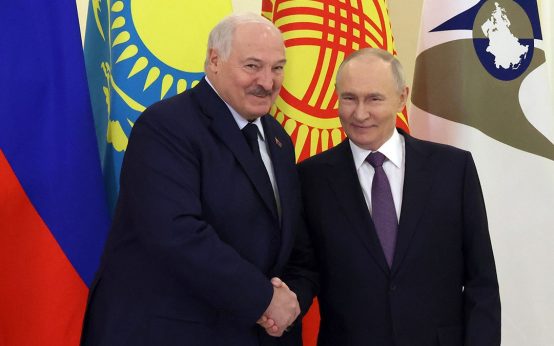 Lukashenko and Putin’s Unique Relationship and Belarus’ Strategic Role
  Alan Ritchson Faces Backlash Over Political Remarks
 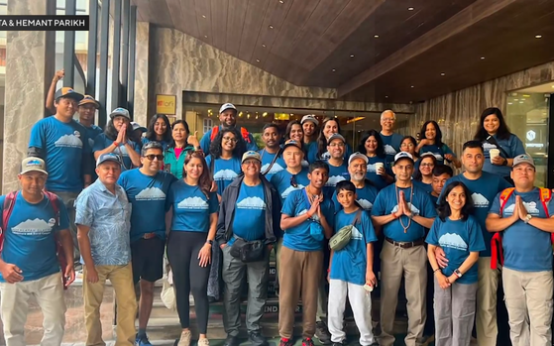 Himalayan Pilgrimage: A Couple’s Narrow Escape and Lingering Questions
  Former CEO Sentenced for Bank Fraud and Sanctions Evasion
 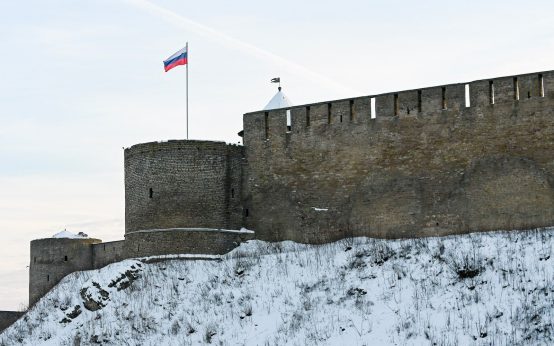 Russia’s Potential Incursion Into Estonia: NATO’s Resilience Under Scrutiny