By Oona A. Hathaway
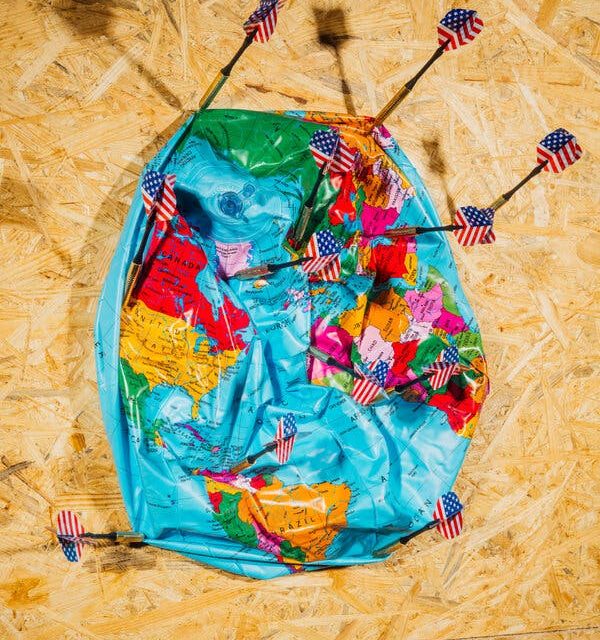
As the conflict in Iran seems to be winding down, many Americans are questioning the effectiveness of the war efforts. Despite Iran’s geopolitical isolation, economic challenges due to sanctions, and internal protests, it managed to resist the U.S., which spent $29 billion to find itself in a weaker position today.
The U.S. Approach and its Limitations
The United States, collaborating solely with Israel, relied on its military might under President Trump to coerce Iran into submission. This unilateral action contravened the United Nations Charter, leaving the U.S. without the backing of international allies. There was no consultation with regional partners before starting a conflict that placed them at risk. The president’s belief in sheer military power proved misguided.
Iran retaliated by illegally closing the Strait of Hormuz and threatening vessels. It launched attacks against neighboring countries. By the time the U.S. needed broader support to counter Tehran, forming a coalition was difficult. NATO allies hesitated to join in what was perceived as an unlawful military engagement due to economic strains from Iran’s countermeasures.
Isolation in Military Engagement
Traditional U.S. allies chose not to participate in the war efforts. Many countries closed their airspace and bases to U.S. military operations. Spain prevented access to joint bases and airspace for operations tied to Iran conflict. France blocked overflight of planes taking U.S. military supplies to Israel. Other countries like Italy and Switzerland also restricted access. Even Britain grappled with its “special relationship” with the U.S., offering facilities only for defensive purposes and avoiding offensive cooperation.
Lessons for Future U.S. Strategy
The conflict highlighted a crucial lesson: unilateral actions diminish a powerful nation’s impact. Beyond Iran, the lesson applies to Trump’s global approach. His vision of restoring American greatness overlooks the importance of fostering international institutions that align with U.S. values and invite others to join in partnership.
Historically, the United Nations represents an essential example. It originated from the State Department’s draft, led by Sumner Welles to create a global body maintaining peace post-World War II, preventing the U.S. from recurrently deploying forces against aggressive regimes. It reflects values like barring territorial expansion and renouncing force usage, yet the U.S. under Trump deviated from these principles in Iran, Venezuela, and the Caribbean.
 Navy’s Submarine Needs Boost Baltimore Jobs, Raises Ownership Concerns
  Trump Suggests Renaming Oceans and Rivers
  Tiger Attack Leads to Death of Man at Yorkshire Wildlife Park
  Texas Senate Race Heats Up: Talarico Versus Paxton
  Riyadh Airport Strike: 12 Killed and Extensive Damage Reported
  Debate Over Livestreaming Nidal Hasan’s Execution Intensifies