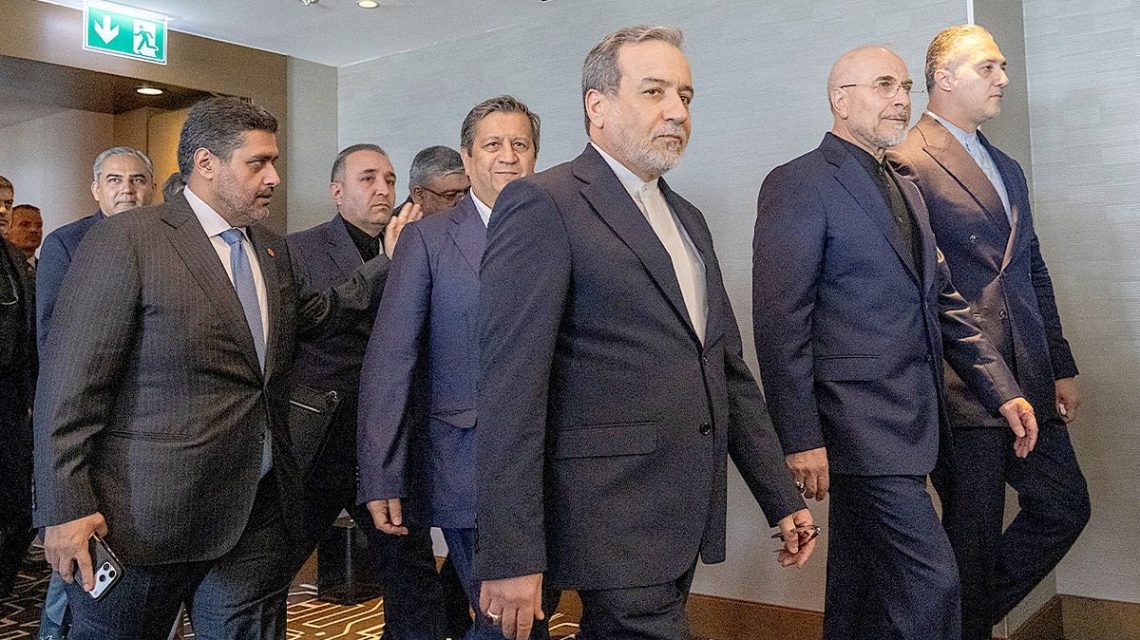
The Iranian delegation’s extensive presence at Switzerland’s technical talks with the United States revealed Tehran’s significant financial demands. This move follows a recent memorandum of understanding signed by President Donald Trump and Iranian President Masoud Pezeshkian, heightening regional uncertainties.
Counterterrorism expert Dr. Omar Mohammed emphasized the importance of these talks, noting Iran’s strategic approach. He stated, “These are the most consequential negotiations America has entered in the Middle East in years. Iran knows that, and it is playing it very well.”
Iranian state media confirmed Tehran’s whole-regime presence, led by chief negotiator Mohammad Baqer Qalibaf and Foreign Minister Abbas Araghchi. Team members include Abdolnaser Hemmati of the Central Bank of Iran; Ali Bagheri Kani from Iran’s Supreme National Security Council; and Kazem Gharibabadi from the foreign ministry, among others.
Mohammed noted that Iran’s delegation extends beyond diplomacy to include key security, economic, and legal figures. “Iran has not only sent diplomats; it has sent the foreign ministry, the security state, the central bank, legal affairs and oil,” he explained.
The inclusion of top financial and energy officials highlights Tehran’s focus on immediate cash flow and control of maritime operations. Hemmati’s presence signals monetary concerns, including frozen assets and banking channels. Meanwhile, oil officials suggest a focus on maritime security and energy leverage.
The U.S. delegation, featuring Vice President JD Vance, includes U.S. Special Envoy Steve Witkoff and Jared Kushner. Vance expressed hopes for progress on both nuclear issues and Lebanon’s ceasefire crisis during the talks.
Despite contrasting views within Iran, notably from hardline lawmaker Mahmoud Nabavian, both teams approach negotiations with differing priorities. Mohammed cautions that if financial and legal advantages are granted to Iran, Tehran might see it as a victory rather than a compromise.
Current talks are paused, pending further discussions. The strategies adopted by both nations reflect a complex interplay of negotiations, with significant implications for future relations.
 Federal Appeals Court Decision Against Trump’s ‘Third-Country’ Deportation Policy
  President Trump’s Controversial Ban on Media Outlets Sparks Press Freedom Concerns
  Ed Sheeran’s Philadelphia Concert Amid Controversy
 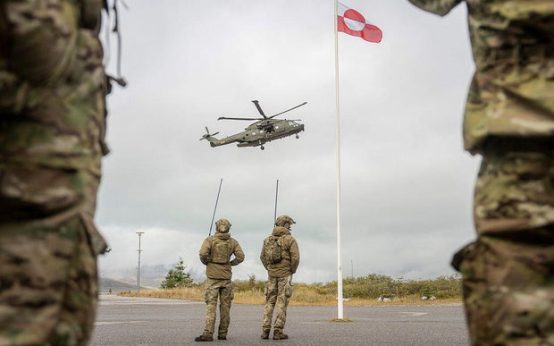 U.S. Secures Strategic Control Over Greenland
  U.S. Security Agreement in Greenland Sparks Optimism and Concerns
 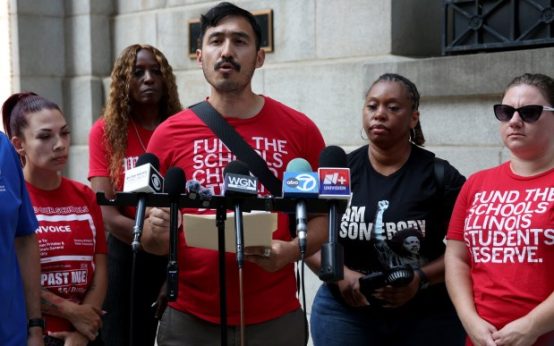 Cook County’s Property Tax Bridge Loans